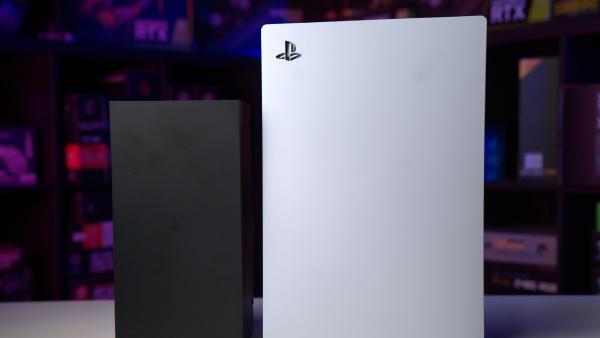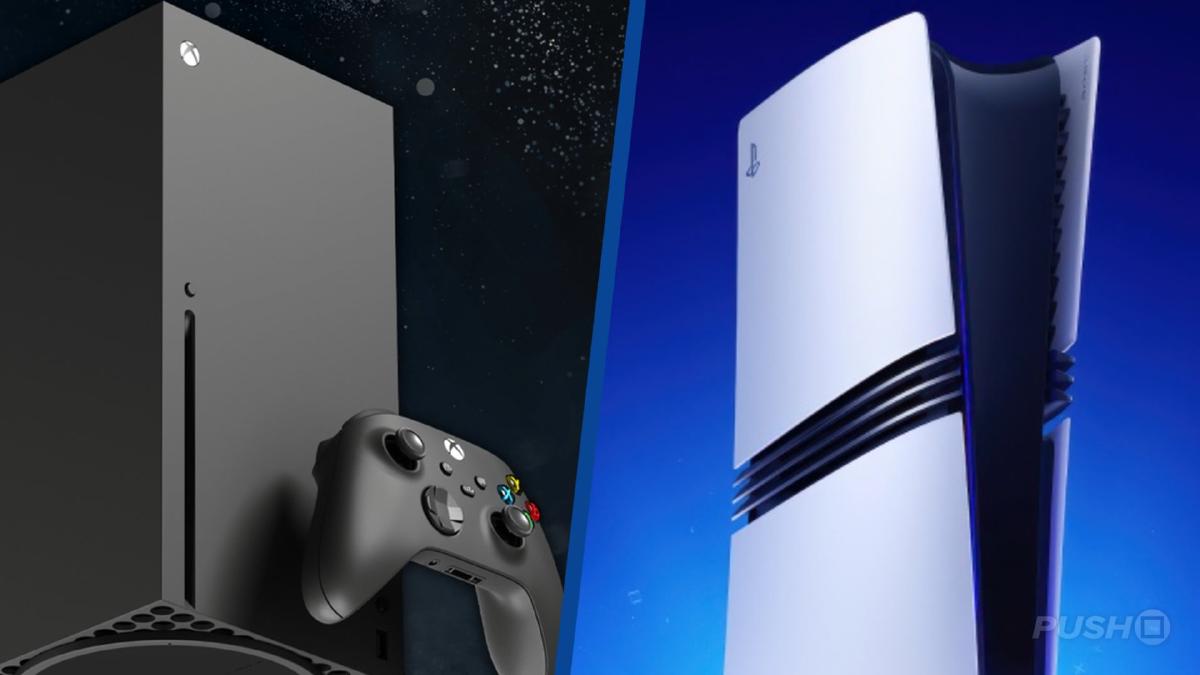
Microsoft is set to impose a substantial price increase on its Xbox Series X and Series S consoles, adding between $100 and $150 to the retail prices. This hike follows a previous adjustment made less than a year ago in October 2025. The ongoing component shortages and the rising costs associated with technology production have led to this decision, making the situation increasingly difficult for gamers looking to enter the current console generation.
As first reported by Push Square, the new pricing structure comes at a time when players are already grappling with the high costs of gaming hardware. Just last year, Sony raised the price of its PlayStation 5 systems, igniting conversations about affordability in the gaming market. Microsoft’s latest move to increase the prices of its consoles underscores a troubling trend that could alienate potential buyers who are already feeling the financial strain of the modern gaming landscape.
The Xbox Series X, which previously retailed at $499, will now see its price escalate to $599, while the Series S will rise from $299 to $399. This decision not only draws attention to the supply chain issues that have plagued the industry since the pandemic but also reflects the broader economic challenges faced by consumers. The rise in prices forces gamers to reconsider their purchasing power and priorities, as they weigh the value of the platforms against their growing expenses.
Microsoft’s decision to raise prices comes as the company continues to position its consoles as critical components of an expanding gaming ecosystem. With a growing library of games and the inclusion of services like Xbox Game Pass, the hardware itself is just one part of a larger strategy to maintain player engagement. However, with the latest price hikes, Microsoft may need to reassess its approach to ensure it remains competitive without pricing out its audience.
In addition to the hardware increases, the ongoing semiconductor shortage continues to impact production timelines and availability, further complicating the landscape for both manufacturers and consumers. This shortage has been exacerbated by increasing demand for electronics across various sectors, including gaming, which relies heavily on specialized components. As companies like Microsoft and Sony navigate these challenges, the pressure to maintain profitability while keeping prices reasonable will only intensify.
For gamers, these price increases signal a critical moment in the console war, where affordability and access could sway potential buyers. With both Sony and Microsoft raising prices, players may find themselves at a crossroads, needing to carefully evaluate their options before committing to a console. The current situation paints a grim picture of the future of gaming hardware, where the cost of entry could deter many from experiencing the latest innovations in gaming.
As the gaming industry continues to evolve, the financial implications of hardware pricing will undoubtedly shape player experiences moving forward. This environment may also lead to an increased focus on digital distribution and subscription services, providing alternatives for those who feel the pinch of rising retail prices.
With the landscape shifting rapidly, players will be watching closely to see how Microsoft and Sony respond to these market pressures in the coming months. The ultimate question remains: how will these price hikes affect consumer loyalty and the future of console gaming?
Founded in 1975, Microsoft has long been a key player in the technology sector. The Xbox division, launched in 2001, has since become a significant player in the gaming industry, providing a range of consoles and services that has shaped the gaming landscape.
Image credit: Push Square
This article was generated with AI assistance and reviewed for accuracy.