Sony has ignited a wave of discontent among gamers with its recent announcement that it will cease the production of disc-based games by January 2028. This pivotal shift towards a digital-only future has not only ruffled the feathers of but has also captured the attention of industry veterans, including David Hayter, the voice of Solid Snake from the iconic Metal Gear Solid series. As first reported by Push Square, Hayter has openly expressed his concerns regarding this monumental change.
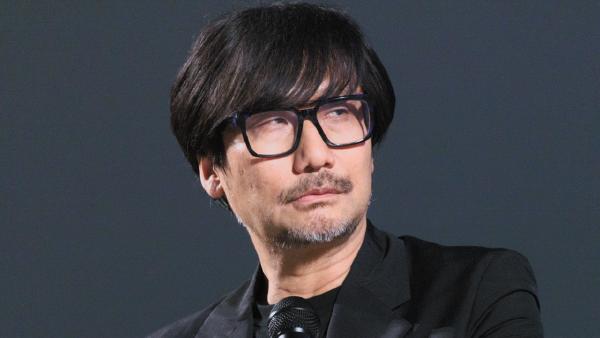
The move to eliminate physical copies of games is a significant one, signaling a broader trend within the industry that leans heavily on digital distribution methods. While this transition may align with evolving consumer habits, it raises valid questions about the future of gaming ownership and preservation. Hayter’s voice joins that of Hideo Kojima, the creative force behind the Metal Gear franchise, who has previously shared his apprehensions about the implications of losing physical media.
“Without physical copies, something essential is lost,” Hayter remarked in a recent interview. His sentiment echoes the fears of many players and creators who believe that physical media provides a tangible connection to the art of gaming. Video games are not just products; they are experiences that encapsulate stories, artistry, and memories. The removal of physical games could diminish that connection, making it more challenging for future generations to access and appreciate gaming history.
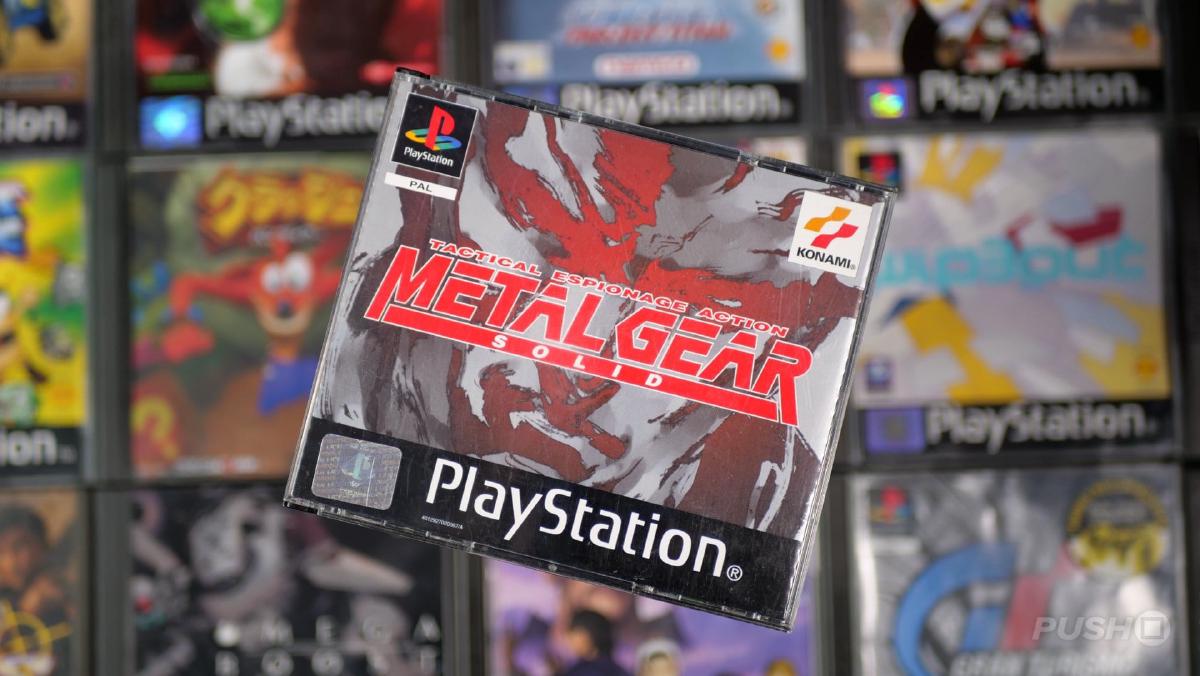
This sentiment resonates particularly strongly with fans of narrative-driven titles like Metal Gear Solid, which are celebrated not only for their gameplay mechanics but also for their intricate storytelling. The series has long been a standout example of how video games can convey complex narratives, and the potential loss of physical copies could limit access to these rich stories.
The implications of Sony’s decision extend beyond mere nostalgia. For many gamers, owning a physical copy of a game symbolizes lasting ownership, a sense of pride, and a connection to the gaming landscape. The ability to revisit cherished titles or share them with friends is an experience that digital platforms often struggle to replicate. As Hayter pointed out, when a game is confined to digital platforms, it risks becoming just another fleeting entry in an ever-expanding library.
Supporters of the digital movement argue that switching to digital-only formats offers convenience and accessibility. However, this perspective overlooks the intricacies of digital rights management and the potential for content to become inaccessible due to licensing issues or platform shutdowns. Hayter’s advocacy for physical media highlights the importance of preserving the integrity of video games as art forms, rather than merely treating them as ephemeral commodities.
As we approach 2028, gamers across the globe must grapple with the reality of Sony’s digital-only future. The outcry from figures like Hayter and Kojima sheds light on a broader conversation about the role of physical media in preserving gaming history and maintaining player agency. While the industry evolves, it is crucial to remember the foundational elements that have shaped gaming into the cultural phenomenon it is today.
As the dust settles on this announcement, it is clear that the debate over digital versus physical games will continue to simmer, with passionate voices like David Hayter’s leading the charge for preserving the rich tapestry of gaming history. With Metal Gear Solid’s legacy hanging in the balance, players and creators alike will be watching to see how this transition unfolds.
In the world of gaming, where storytelling and player experience reign supreme, the conversation surrounding physical media is more than just about discs. It is about the essence of what makes gaming an art form and the fundamental connection between creators and players.
Image credit: Push Square
This article was generated with AI assistance and reviewed for accuracy.