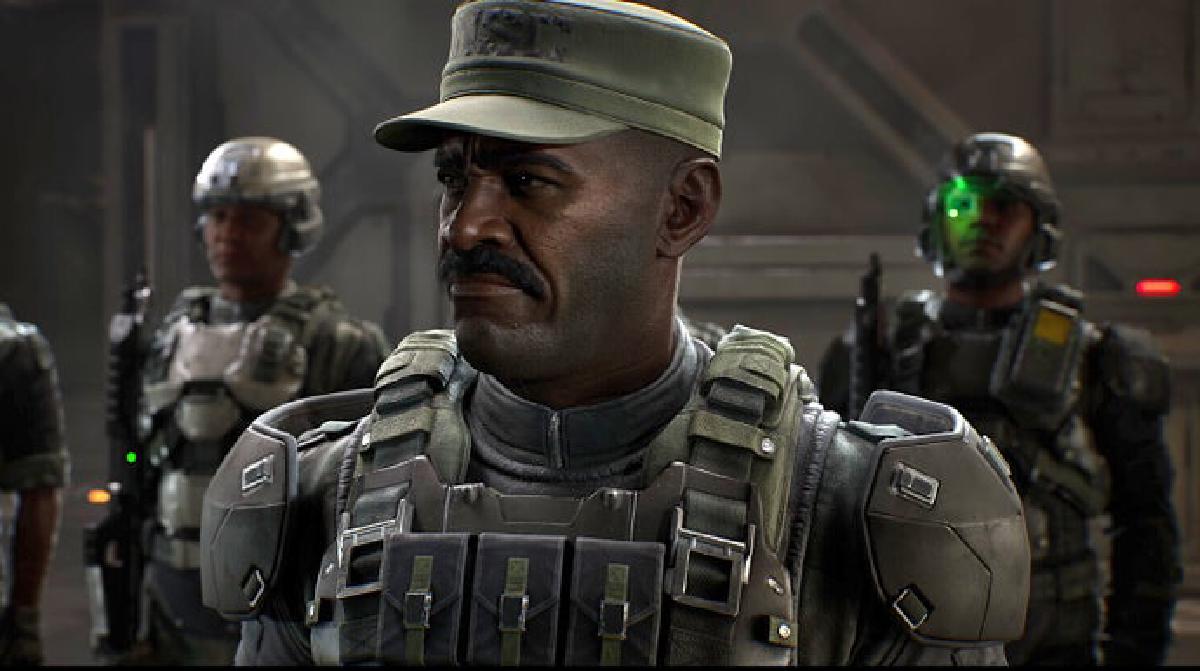
The highly anticipated remake of the original Halo campaign, titled Halo: Campaign Evolved, has encountered significant sales challenges since its release. This marks a notable moment not just for fans of the franchise, but also for the gaming landscape itself, as this version of Halo is the first to debut on PlayStation. Despite the storied legacy of the series, it appears that the absence of a multiplayer mode has hindered its commercial success.
As first reported by Eurogamer, many industry observers have pointed to the lack of multiplayer functionality as a key factor affecting sales performance. In an age where online multiplayer experiences are often the core of a game’s appeal, the absence of such features in Halo: Campaign Evolved seems to have left potential players wanting more. Fans expected a comprehensive experience reminiscent of the iconic Halo 1, but the lack of competitive play has likely turned away a significant portion of the audience.
Halo is synonymous with multiplayer gaming, having defined the genre with features like split-screen co-op and robust online matchmaking back in its heyday. The original Halo: Combat Evolved was groundbreaking in its time, establishing a passionate community that thrived on multiplayer battles. In contrast, the newest iteration appears to lack the same draw, focusing solely on the single-player campaign which, while nostalgic and compelling, does not meet the diverse expectations of modern gamers.
Interest in the franchise remains strong, evidenced by the excitement surrounding its legacy and the nostalgia of revisiting the campaign. However, in a gaming environment increasingly dominated by multiplayer experiences, the focus on solo play may have limited the game’s reach. Players today often seek the excitement of real-time competition and social interaction, which Halo: Campaign Evolved does not provide.
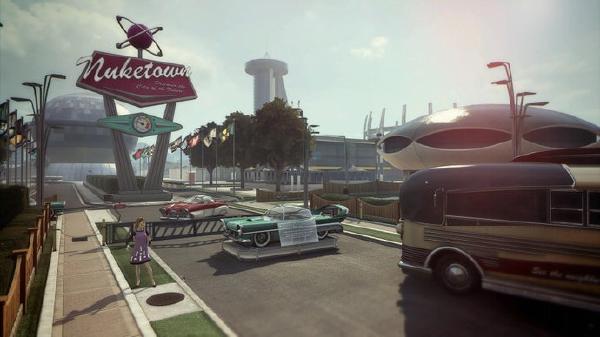
The move to PlayStation was intended to expand the audience and introduce new players to the beloved series. However, without a robust online component, the game appears to be struggling to attract attention in a crowded marketplace filled with titles that offer both rich narratives and multiplayer engagement. Recent revivals in the Call of Duty franchise, such as the Black Ops series, have seen successful sales partly due to their engaging multiplayer modes that keep players returning long after completion of the campaign.
The lack of multiplayer in Halo: Campaign Evolved may also reflect a broader trend in gaming, where companies must balance nostalgia with evolving player expectations. While the campaign certainly appeals to long-time fans, new players may overlook it for more dynamic options available elsewhere.
Bungie, the studio behind the original Halo games, has set a high bar for storytelling and gameplay mechanics. The combination of a gripping narrative and innovative multiplayer has always been at the heart of the franchise. While Halo: Campaign Evolved successfully revisits the story, it seems to fall short of delivering the full Halo experience that players have come to know and love.
As it stands, Halo: Campaign Evolved is a reminder of the challenges developers face in adapting beloved classics to modern consoles. The potential to bridge old and new audiences is immense, but studios must also consider the evolving landscape of player preferences. The path forward for Halo may require a reevaluation of what players are looking for in their gaming experiences, blending cherished narratives with the multiplayer features that have become so integral to player engagement in recent years.
Image credit: Eurogamer
This article was generated with AI assistance and reviewed for accuracy.