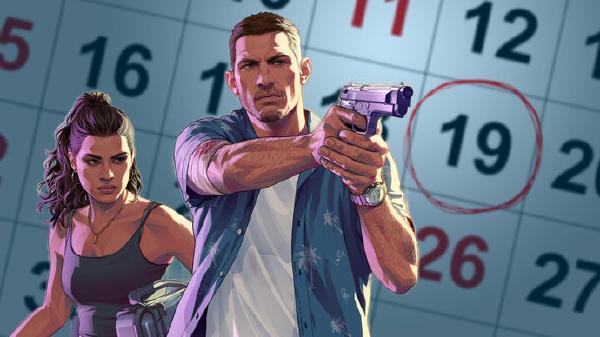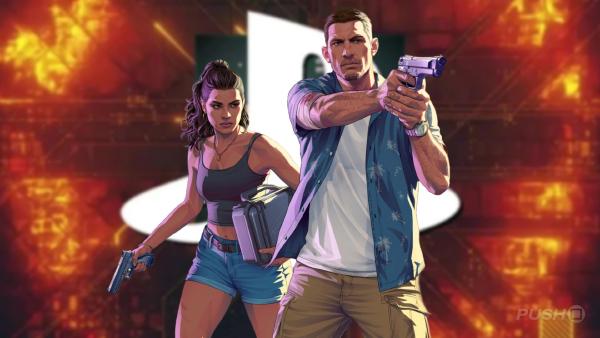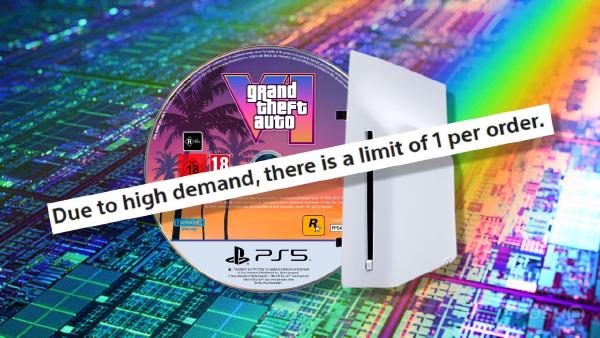
The gaming landscape is on the brink of transformation as the digital age takes a firmer grip on the industry. Following the recent announcement from Take-Two Interactive and Rockstar Games that Grand Theft Auto VI would be released exclusively in digital format, there has been a significant uproar among gamers. Adding fuel to the fire, Sony Interactive Entertainment has revealed its plan to halt production of new game discs by 2028, a move that many see as a troubling sign for the future of physical gaming.
As first reported by Wccftech, this shift away from physical media has sparked a wide range of reactions, with many gamers expressing their concerns over losing the tangible experience of owning a physical game. The traditional practice of purchasing a disc, complete with cover art and manuals, is fast becoming a relic of the past, and some players fear that the personal connection to physical collections will soon fade into obscurity.
In a recent statement, Marek Tyminski, CEO of CI Games, weighed in on the situation. He emphasized the financial benefits that digital sales offer to studios, arguing that the shift is essentially inevitable. “Publishers are earning considerably more per digital sale than they do with physical versions,” Tyminski explained, framing the decision to go fully digital as a necessary evolution for studios that want to thrive in an increasingly competitive market.
The implications of this shift are multifaceted. On one hand, the convenience of digital purchases appeals to many consumers who appreciate the ease of downloading games directly to their devices without needing to visit a store or wait for shipments. On the other hand, the move raises questions about ownership rights, licensing agreements, and the longevity of digital libraries, especially if servers go offline or if companies decide to delist older titles.
Players accustomed to owning physical copies may find themselves at a crossroads. The nostalgia attached to collecting game boxes and the ritual of inserting a disc into a console is an experience that digital downloads cannot easily replicate. Furthermore, the possibilities of reselling or trading physical games provide gamers with options that will not be available in a fully digital ecosystem.
The discussion surrounding GTA 6’s digital-only release and Sony’s disc production plans is reflective of a larger trend in the gaming industry, where the balance between convenience and nostalgia is increasingly tilting toward digital solutions. With CI Games’ CEO pointing out that many developers may soon find themselves adapting to this new reality, it raises questions about how smaller studios will fare in a marketplace dominated by digital sales.
As this transition unfolds, it is essential to consider how it will shape the future of gaming. The industry might be moving toward greater accessibility and instant access to titles, but the potential downsides,like the loss of physical ownership and the risk of digital libraries becoming inaccessible,cannot be ignored.
As fans eagerly await the next installment of the Grand Theft Auto series, they must also confront the broader implications of these changes. The push for digital-only releases could signal an era where the physical game as we know it becomes a memory, leaving a digital legacy that may not fulfill every fan’s desire for connection and ownership.
CI Games, the studio behind titles like “Sniper Ghost Warrior,” has been a part of the gaming landscape since 2002, consistently developing engaging narrative experiences. The sentiments expressed by Tyminski reflect a critical turning point not just for CI Games, but for the industry as a whole, as developers navigate the evolving relationship between players and their games.
Image credit: Wccftech
This article was generated with AI assistance and reviewed for accuracy.