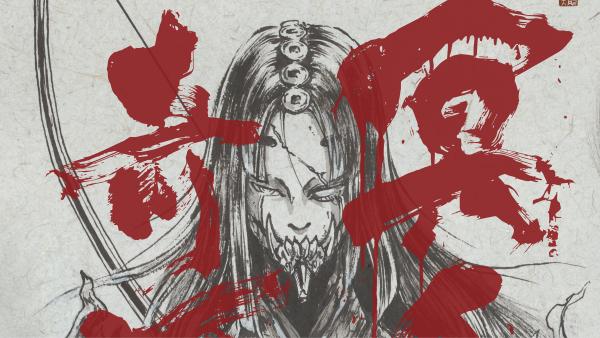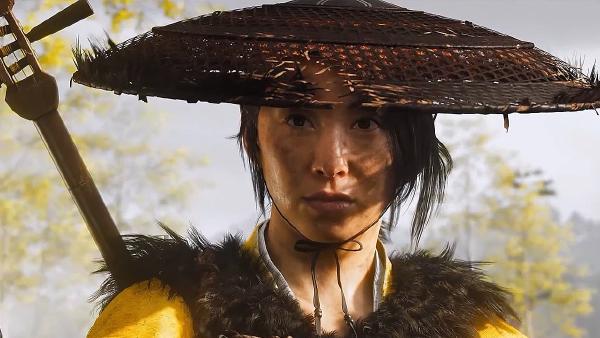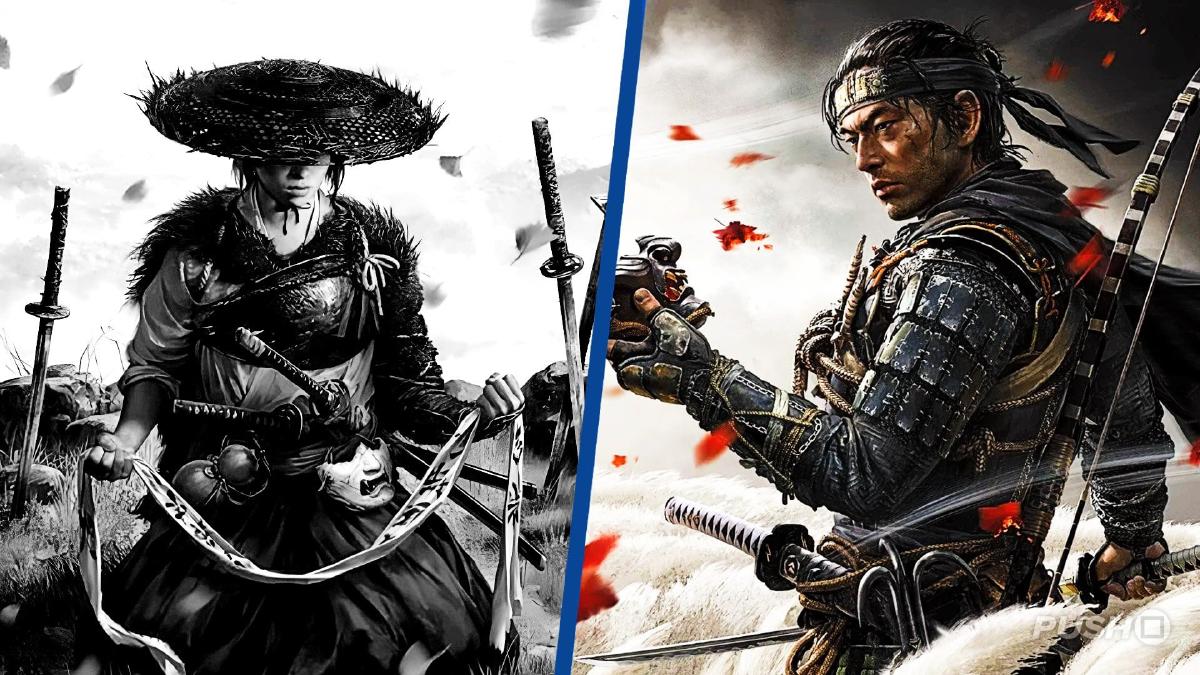
The anticipation surrounding the release of Ghost of Yotei, the sequel to the critically acclaimed Ghost of Tsushima, has been palpable. Fans of the original game were eager to return to the stunning landscapes and gripping narrative that made the first installment a standout success. However, as first reported by Push Square, the latest entry has left many feeling underwhelmed and frustrated.
Ghost of Tsushima, which debuted in 2020, was a masterful blend of cinematic storytelling and intricate gameplay. Set in feudal Japan, players took on the role of Jin Sakai, a samurai fighting against the Mongol invasion. The game was celebrated for its breathtaking visuals, engaging combat mechanics, and a rich narrative that resonated with players on multiple levels. The emotional weight of Jin’s journey, coupled with the stunning open world, made it a memorable experience that many hoped would be expertly expanded upon in its sequel.
Unfortunately, Ghost of Yotei does not appear to deliver on those lofty expectations. Critics and fans alike have expressed disappointment, citing a lack of the same emotional depth and engaging storytelling that characterized the original. While the sequel tries to build on its predecessor’s success, it seems to stumble in its execution, with many feeling that the magic of Tsushima has been lost in translation.
One of the most notable criticisms revolves around the game’s narrative structure. In a sequel that some expected to explore new themes or deepen existing ones, the story feels disjointed and lacks the cohesive flow that made Jin’s tale so compelling. Players have reported feeling disconnected from the characters and their motivations, which can diminish the experience and lead to a less immersive adventure.
In terms of gameplay, while Ghost of Yotei retains the fluid combat mechanics that fans loved, some feel that the innovation has stalled. Features that were once groundbreaking in the first game now feel recycled, leaving players wanting more variety and new experiences. The open world, while still beautiful, appears to lack the attention to detail and environmental storytelling that made exploring Tsushima so rewarding.
Moreover, the game seems to struggle with pacing, leading to moments that drag and interrupt the flow of the narrative. Players have noted that the rhythm established in the original is absent, resulting in a less satisfying and sometimes frustrating gaming experience.
What has been particularly disheartening for devoted fans is the sense that Ghost of Yotei could have forged a new path while honoring the legacy of its predecessor. Much was expected of Sucker Punch Productions’ ability to expand on the beloved elements of Ghost of Tsushima, yet this sequel seems to have fallen short.
As the dust settles on the release, discussions among players continue to revolve around what went wrong and how the game could have been improved. Many are calling for a return to the foundation that made the original such a triumph, hoping that future updates or expansions might address these shortcomings and reignite the passion that Ghost of Tsushima inspired.
Ghost of Yotei is a reminder of the challenges that come with following a critically acclaimed title. While it has its moments, the sequel ultimately struggles to capture the essence that made the original such a triumph in narrative-driven gaming. As fans of the franchise reflect on their experiences, they remain hopeful for a future where the spirit of Tsushima can shine brightly once again.
Sucker Punch Productions, known for its dedication to crafting rich narratives and immersive worlds, first took by storm with the Infamous series before achieving widespread acclaim with Ghost of Tsushima. Their commitment to storytelling continues to resonate, even as fans grapple with the mixed reception of Ghost of Yotei.
Image credit: Push Square
This article was generated with AI assistance and reviewed for accuracy.