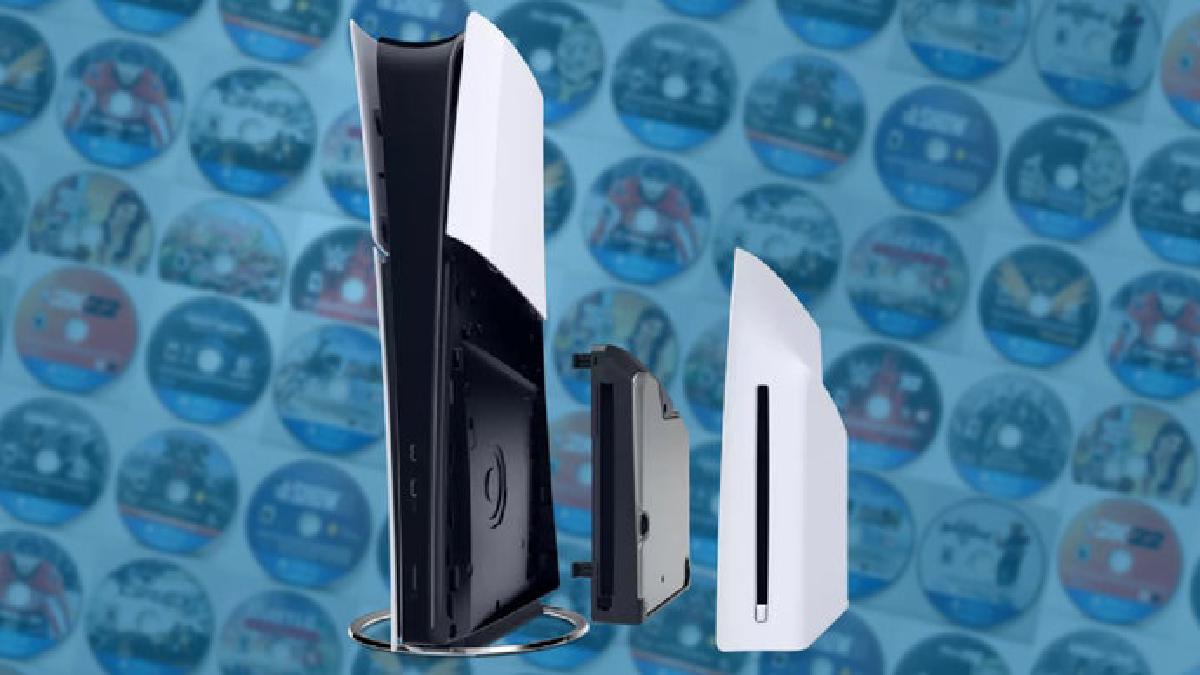
As digital gaming continues to dominate the landscape, a former Square Enix executive has proposed an intriguing idea: the end of physical media for PlayStation could lead to lower prices for games on the PlayStation Store. This perspective sheds light on the evolving dynamics of gaming economics, particularly as players shift toward digital purchases.
The comments were first reported by Eurogamer, highlighting the potential impact Sony’s decision to phase out physical discs may have on pricing structures within its digital storefront. The executive pointed out that with fewer costs associated with producing and distributing physical copies, there could be an opportunity for Sony to reduce prices on digital game offerings.
Traditionally, physical media incurs significant costs, including manufacturing, packaging, and shipping. As more consumers embrace digital platforms, the argument stands that these savings could translate into lower prices for players. This shift aligns with broader trends across the industry, where digital sales have steadily increased and physical sales have declined.
The former executive’s assertion raises critical questions about how this transition might affect consumers who have been hesitant to leave behind the tangible nature of physical games. Many gamers have long cherished their collections, valuing the ability to display them on shelves and share them with friends. However, as the convenience of digital downloads and cloud gaming becomes increasingly appealing, the industry may be forced to adapt.
If Sony takes this route, it could not only enhance its competitive edge against rivals like Xbox and Nintendo but also influence the pricing strategies of other publishers. A significant drop in prices could make high-quality titles more accessible, potentially increasing the overall player base and revitalizing interest in less mainstream games that often struggle to find an audience.
Interestingly, the move towards a fully digital ecosystem might also encourage developers to experiment with pricing models, perhaps introducing more frequent sales or subscription options. For example, if lower production costs allow for reduced pricing on popular titles, this could shift market dynamics, encouraging developers to innovate in terms of game design and monetization strategies.
However, there are challenges to consider as well. The digital divide remains a pressing concern, with some players lacking reliable internet connections or adequate storage solutions for downloads. Furthermore, the rise of digital-only games may further marginalize collectors and those who prefer the physical experience.
As the industry grapples with these implications, the conversation surrounding pricing and accessibility continues to be crucial. The call for lower digital prices reflects a growing desire for affordability and fairness in gaming, alongside a recognition of the changing landscape of game distribution.
While the potential for reduced prices on the PlayStation Store sounds promising, it will be essential to watch how Sony responds to these insights and whether it can strike a balance that benefits both the company and its consumers. As the world of gaming moves ever closer to a completely digital future, it will be fascinating to see how these changes unfold, shaping the way players engage with their favorite titles.
Square Enix, known for its iconic franchises like Final Fantasy and Dragon Quest, has played a significant role in the evolution of gaming narratives and experiences. The conversation initiated by this former executive highlights the ongoing transformation within the industry as it embraces new technologies and business models.
Image credit: Eurogamer
This article was generated with AI assistance and reviewed for accuracy.