As the gaming industry continues to navigate supply chain challenges, a recent forecast points to a troubling future for major console manufacturers. According to a report by S&P Global Market Intelligence, as first reported by GameSpot, sales of gaming consoles could plummet by nearly 20% in 2027. This decline reflects a significant shift in the market dynamics that have long characterized console sales.
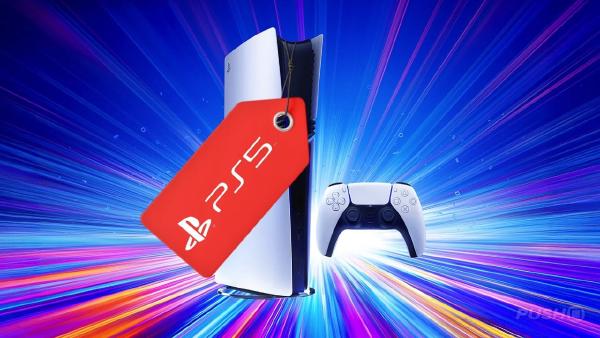
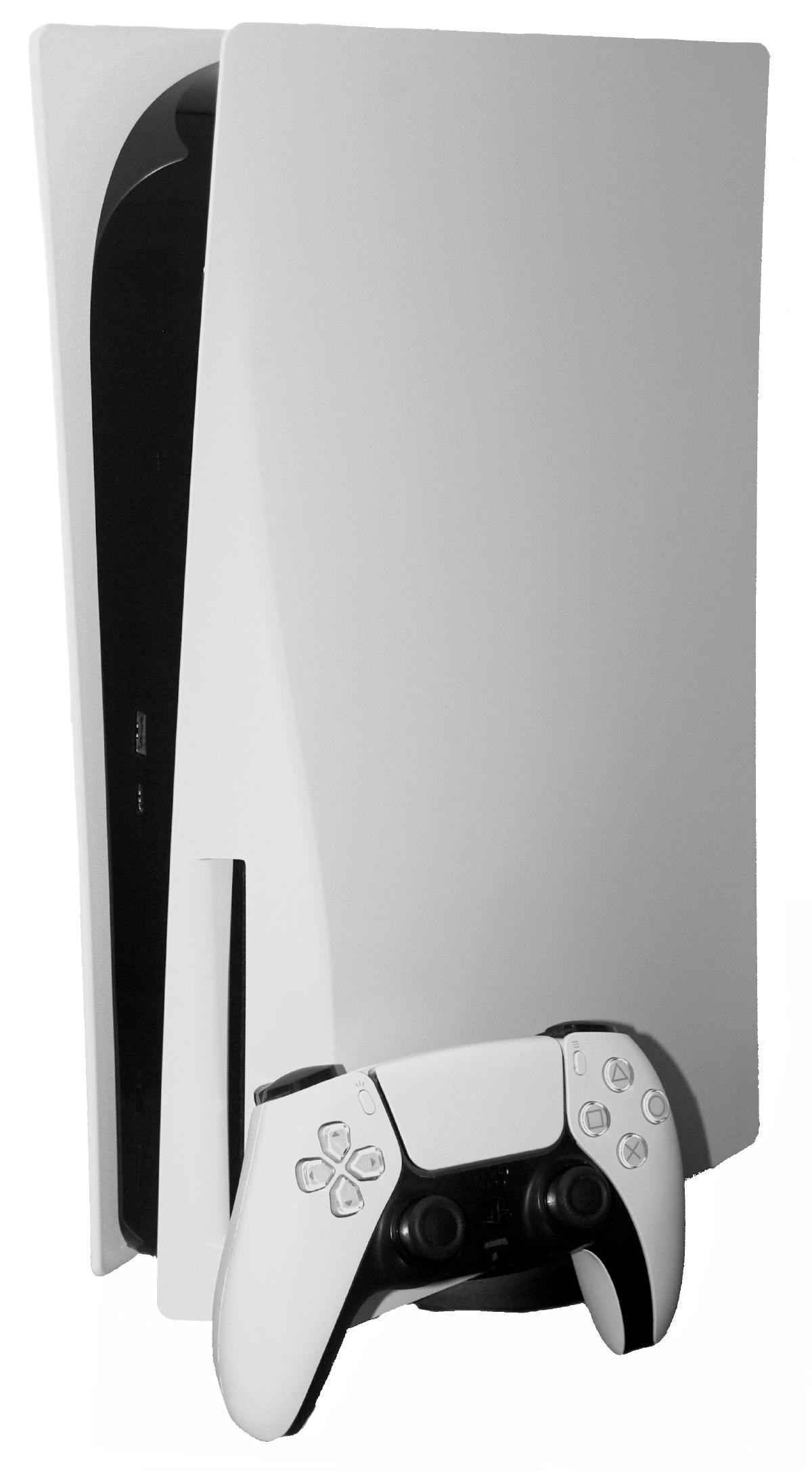
The anticipated downturn is largely attributed to ongoing component shortages that have made consoles like the Nintendo Switch 2, PlayStation 5, and Xbox Series X|S increasingly more expensive. Historically, video game consoles tended to decrease in price over time as production ramped up and technology became more accessible. However, the current market is witnessing a reversal of this trend, creating an uphill battle for consumers and companies alike.
The report highlights that the cost of manufacturing consoles has surged, contributing to higher retail prices. As a result, many consumers are feeling the pinch and may choose to delay purchases or forgo upgrading to the latest hardware altogether. This could ultimately mean fewer sales for companies that have come to rely on robust annual console refresh cycles.
In a world where gaming has evolved to rely heavily on subscription models and digital distribution, the decline in hardware sales could impact not just console makers but also game developers and publishers. With fewer new consoles in homes, the demand for new titles could diminish, creating a ripple effect across the industry.
This forecast raises questions about how Nintendo, Sony, and Microsoft will respond. Will they adapt their strategies to focus more on software and live-service games? Or will they find ways to incentivize console sales despite the challenging market? The implications of these decisions could be felt for years, shaping the future landscape of gaming.
As the industry grapples with these challenges, it remains crucial for manufacturers to innovate and provide value beyond just hardware. Whether through enhanced services, exclusive titles, or new gaming experiences, the battle for consumer attention will likely intensify.
Nintendo, Sony, and Microsoft have each cultivated their unique identities in the gaming space, with dedicated fanbases that expect quality and innovation. The upcoming years could test their ability to adapt and thrive in a changing market environment.
The findings in this report indicate that the console market is at a critical juncture. With rising prices and declining sales on the horizon, manufacturers must carefully craft their strategies to ensure they continue to meet the needs of gamers worldwide.
For gamers, this forecast serves as a reminder of the shifting tides in the industry. As console prices rise and sales decline, focus may well turn to alternative gaming experiences that don’t rely solely on hardware. As the landscape evolves, players will undoubtedly keep a keen eye on how their favorite platforms adapt to these new realities.
S&P Global Market Intelligence’s insights highlight significant trends that could shape the gaming industry over the next few years. As we look toward 2027, the question remains: how will these companies face the challenges ahead, and what will it mean for the gaming experiences we cherish?
Nintendo, Sony, and Microsoft continue to play pivotal roles in the industry, each with their storied histories and innovative approaches to gaming. As they navigate these uncertain waters, their next moves will be crucial in determining not just their own futures, but the future of gaming as a whole.
Image credit: Wikipedia
This article was generated with AI assistance and reviewed for accuracy.