In a recent conversation surrounding the future of role-playing games, the director of Final Fantasy 7 Rebirth, Tetsuya Nomura, stated that the emergence of titles like Clair Obscur: Expedition 33 could have been expected. As first reported by GamesRadar+, Nomura acknowledged a notable trend among players who are increasingly gravitating towards real-time combat systems, leaving traditional turn-based mechanics in the dust.
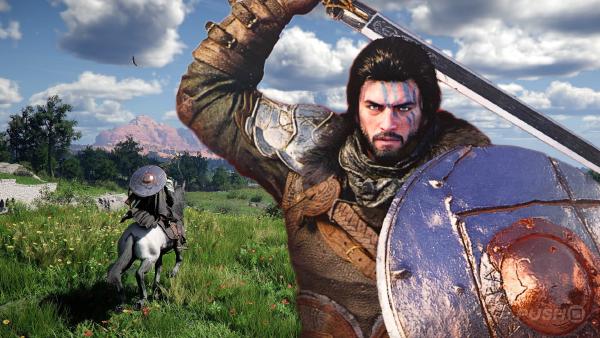
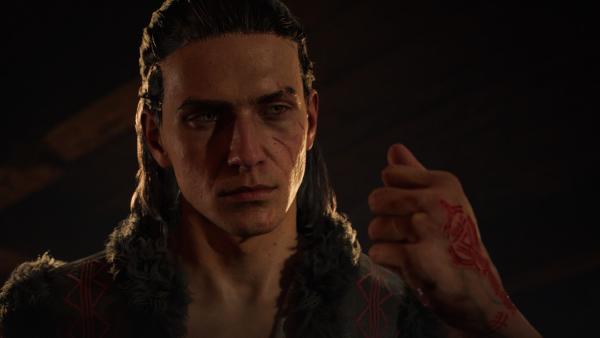
Nomura’s comments come at a time when the RPG genre is undergoing significant transformation. Games that offer fast-paced, action-oriented gameplay are attracting a new generation of players. Clair Obscur: Expedition 33, developed by the indie studio Lemnis Gate, exemplifies this trend by blending tactical elements with a real-time approach. The game focuses on strategy and quick decision-making, catering to players who favor engagement over the slower pace of turn-based systems.
The director’s reflections highlight a broader industry discussion about the viability and appeal of classic RPG formats. While turn-based games have their loyal fanbase, the allure of immediate action is hard for many younger players to resist. Nomura speculates that this shift is not just a fad, but rather a natural evolution of player preferences as gaming technology continues to advance.
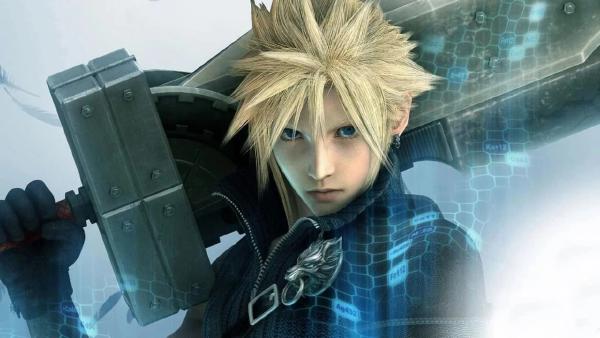
Final Fantasy 7 Rebirth itself represents a hybrid of traditional turn-based mechanics and modern action elements. The game aims to satisfy longtime fans while also appealing to newcomers who might be more accustomed to real-time combat. This balance is essential for Square Enix as they navigate the ever-changing landscape of player demands.
As RPGs evolve, studios face the challenge of retaining their core identity while innovating gameplay mechanics. Nomura’s acknowledgment of Clair Obscur: Expedition 33 speaks to this challenge, suggesting that developers could benefit from embracing aspects of gameplay that resonate with contemporary audiences. This reflects a growing trend in the industry where even established franchises must adapt to survive.
While the director’s comments center on gameplay mechanics, they also open a dialogue about player experience and storytelling. Real-time combat can enhance immersion, drawing players deeper into the game world. However, the narrative depth often found in turn-based RPGs remains a hallmark of the genre, one that many players still cherish.
Nomura’s insights serve as a reminder that the heart of RPGs lies in their ability to engage players emotionally and narratively. Balancing this with the demands for speed and action will be a key focus for studios moving forward.
As the gaming industry continues its evolution, the lines between genres blur, giving rise to innovative gameplay mechanics that cater to diverse preferences. Final Fantasy 7 Rebirth, set to be released on PlayStation, aims to strike that balance by offering players both an engaging narrative and dynamic combat.
In a world where player tastes are shifting, the commentary from Nomura highlights an essential narrative for game developers: adapt or risk stagnation. The future of RPGs will likely see more titles exploring the middle ground, ensuring that the genre remains vibrant and relevant.
About the Game/Studio
Final Fantasy 7 Rebirth is the highly anticipated sequel to Final Fantasy 7 Remake, developed by Square Enix. The game continues the iconic story of Cloud Strife and his companions while incorporating innovative gameplay mechanics. Clair Obscur: Expedition 33, on the other hand, is an indie title from Lemnis Gate that aims to redefine strategic gameplay in real-time environments.
Image credit: GamesRadar+
This article was generated with AI assistance and reviewed for accuracy.