Recent insights into PlayStation 5 ownership reveal a surprising disparity between player preferences and actual sales data. According to a recent report by TheGamer, a significant number of PS5 users are leaning toward digital game purchases. This inclination towards digital downloads demonstrates the changing landscape of gaming consumption, especially as players appreciate the convenience of immediate access to their game libraries.
However, the market dynamics of console sales tell a different tale. Despite the evident preference for digital titles, physical game sales remain robust. This paradox raises intriguing questions about how players engage with their consoles and what that means for the future of gaming distribution.
The preference for digital formats among players can largely be attributed to factors such as ease of access and the ability to play games without the need for changing discs. The PS5’s fast SSD further enhances this experience, allowing for quick load times and seamless transitions between games. These benefits have led many gamers to curate their libraries digitally, opting for the convenience and speed that online platforms offer.
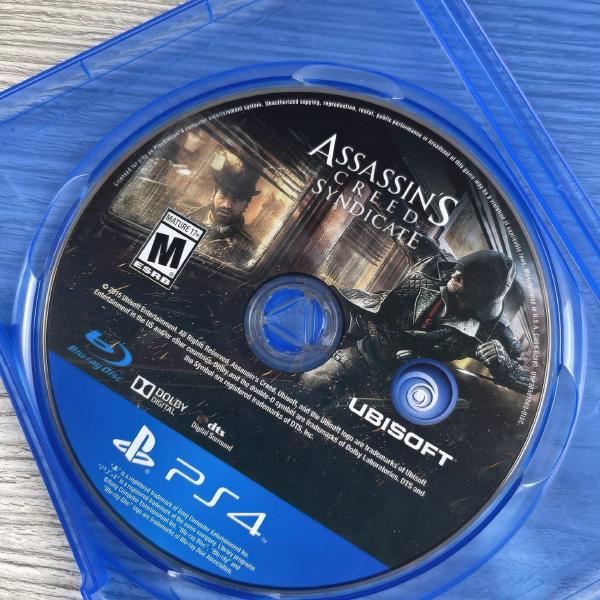
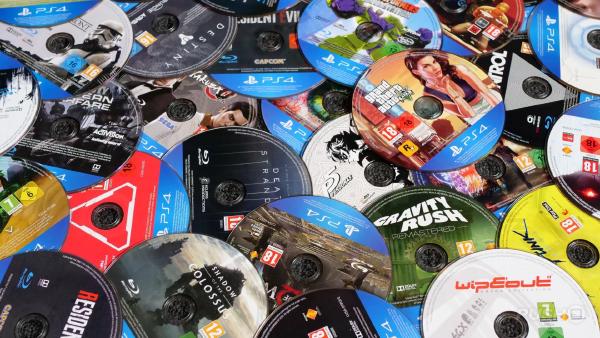
Yet, the trend does not fully align with the current sales landscape. Recent data indicates that physical sales of PS5 titles remain significant, suggesting that a sizable segment of the gaming audience still values tangible media. This could be due to several factors, including collectors’ desires, physical ownership preferences, or even the appeal of used game markets.
Players have also expressed concerns over digital rights management, with some wary of the permanence of digital purchases. Instances where digital titles have been removed from storefronts or delisted entirely have left players questioning the reliability of their digital libraries. This has potentially contributed to a continued interest in physical copies, which represent a more secure form of ownership.
Moreover, the retail experience cannot be overlooked. For many gamers, visiting a store and browsing the shelves for the latest titles is an integral part of the gaming hobby. The excitement of unboxing a new game, complete with artwork and a physical manual, is an experience that digital downloads simply cannot replicate.
As the industry evolves, the conversation around digital versus physical game sales is likely to intensify. Market analysts will be watching closely to see how these contrasting preferences influence future game releases, pricing strategies, and even console designs.
The impact of subscription services like PlayStation Plus cannot be underestimated, either. These services offer a library of games for a flat fee, further encouraging players to explore digital avenues. With a growing number of players subscribing to these services, the future of gaming could lean even more toward the digital side, potentially reshaping traditional retail.
In sum, while PS5 players seem to prefer digital games for their convenience and accessibility, the resilience of physical sales highlights a complex landscape where both formats coexist. This ongoing duality not only reflects the preferences of individual gamers but also speaks to broader trends in how we consume entertainment.
As players navigate their gaming choices, one thing is clear: the conversation around digital and physical gaming is far from over. The push and pull between these two methods of ownership will continue to define the gaming landscape for years to come.
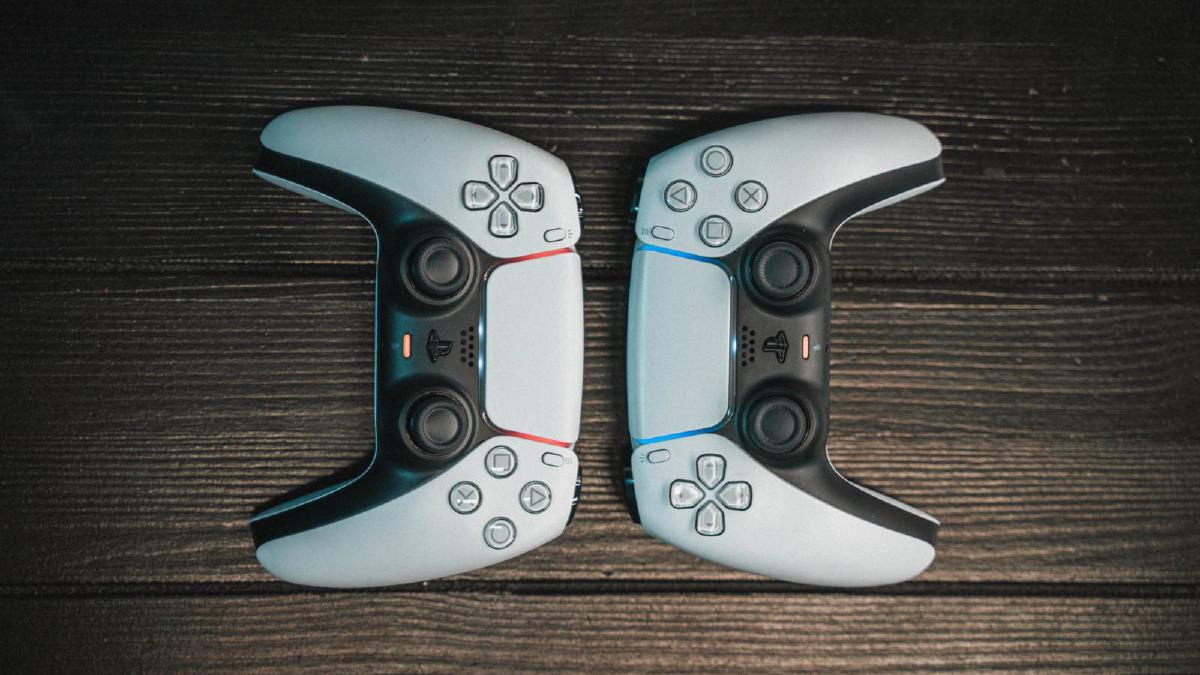
Both PlayStation and its developers are known for crafting narrative-driven experiences that resonate deeply with gamers. The PS5, with its powerful hardware, supports a diverse range of titles that keep players engaged, whether they prefer to buy digitally or through physical copies.
Image credit: TheGamer
This article was generated with AI assistance and reviewed for accuracy.