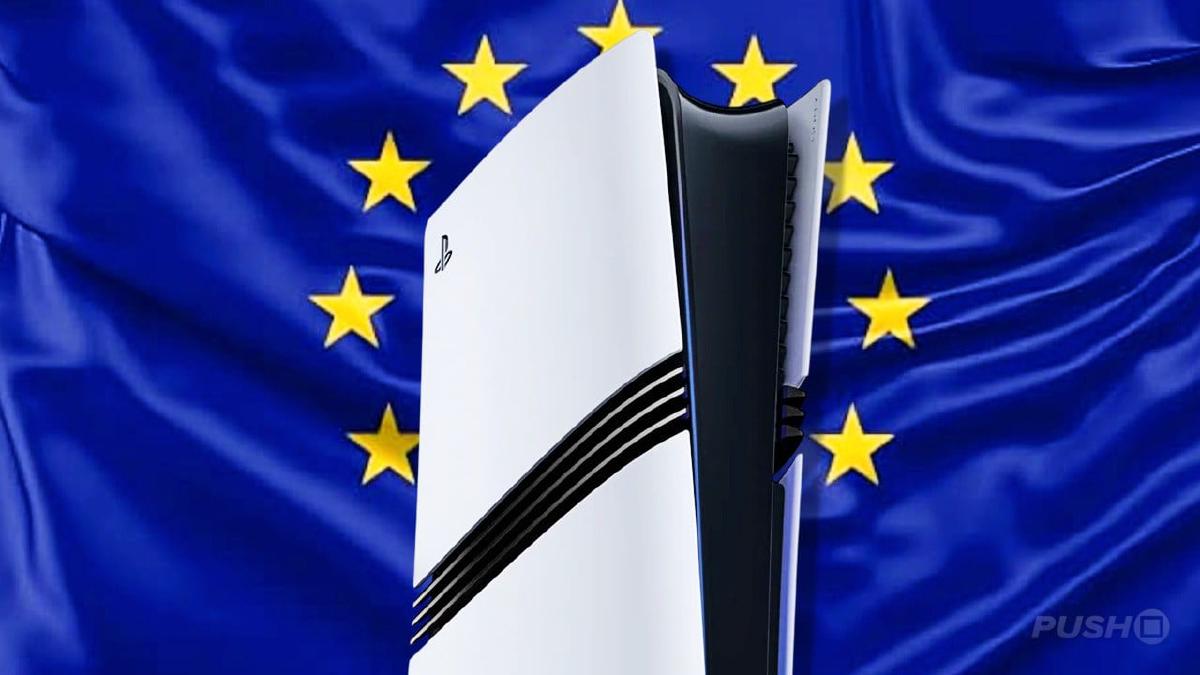
This past weekend, PlayStation fans found themselves in a whirlwind of confusion and concern as a clause in the European version of the company’s Terms of Service made waves online. The clause suggests that manufacturing of physical games will cease in January 2028, igniting alarms among players worried about the future of their game collections.
As first reported by Push Square, the uproar was rooted in a misunderstanding of the term “lost games.” Many players interpreted this as a clear sign that their beloved physical titles would soon be rendered obsolete, leading to frantic discussions across social media platforms. The reactions varied from outright panic to calls for a more transparent communication strategy from PlayStation, showcasing the strong emotional connection players have with their physical game libraries.
However, the truth behind the clause is more nuanced. While the document does mention the cessation of physical game production, it does not imply that existing titles will suddenly disappear from players’ shelves or gaming libraries. Industry experts suggest that this move is more about future-proofing the PlayStation ecosystem in an increasingly digital world rather than an immediate threat to physical games.
This echoes a broader trend in the gaming industry where digital distribution is becoming more prevalent. As hardware and storage capabilities improve, companies are shifting focus to digital downloads and cloud gaming services, which can reduce production costs and improve accessibility. While many gamers still cherish the tactile experience of owning physical copies, the industry is undeniably moving toward a digital-centric model.
Many players expressed their frustrations on social media, with some fearing that their collections might lose value or become unplayable if the physical medium were to fade into obscurity. This sentiment speaks to the heart of gaming culture,players don’t just purchase games for entertainment; they invest in experiences and memories, often tying their identities to the games they own.
To add further context, this clause may also reflect PlayStation’s strategic planning as it looks ahead to the potential of the PlayStation 6 and beyond. The current generation of consoles has already paved the way for exceptional narrative-driven experiences, and as the technology evolves, so too must the business models surrounding it.
As fans navigate the implications of this clause in the Terms of Service, it highlights the importance of clear communication from PlayStation. The backlash serves as a reminder that players are deeply engaged and invested in their gaming experiences. The gaming industry thrives on passion, and any perceived threat to that passion can result in a significant reaction.
Regardless of the immediate concerns, players should feel reassured that the gaming landscape is continually evolving. PlayStation has a history of adapting to player needs, and as the digital space grows, so will the opportunities for new storytelling and creative directions in gaming.
In the end, while the fears surrounding this recent clause are not unfounded, it is essential to consider the broader context and the ongoing evolution of how games are consumed. As we move toward an increasingly digital future, must adapt, but the love for physical games and the experiences they provide will remain a cherished part of gaming culture for years to come.
Image credit: Push Square
This article was generated with AI assistance and reviewed for accuracy.