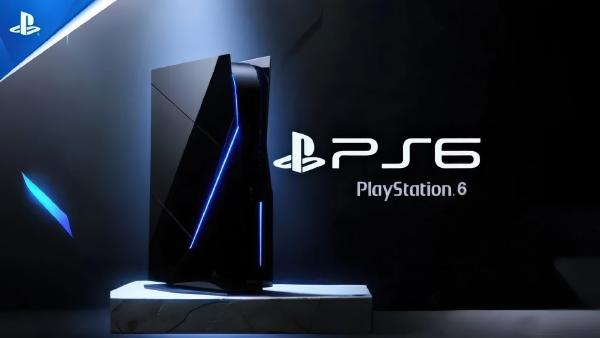
Sony’s next-generation console, the PlayStation 6, is now anticipated to launch by the end of 2028. This prediction comes from industry analyst Piers Harding-Rolls of Ampere, who shared insights that suggest the future of PlayStation will stray significantly from its traditional roots. As first reported by Push Square, Harding-Rolls believes that Sony’s recent decision to halt physical game manufacturing by 2028 hints at major shifts in how players will interact with their gaming libraries.
The phasing out of physical media points towards the PlayStation 6 being an all-digital console. With the gaming landscape evolving rapidly, this move aligns with broader industry trends that favor digital downloads and streaming services over physical copies. Players have increasingly embraced the convenience of digital gaming, allowing for instant access to titles without the hassle of physical storage.
Harding-Rolls emphasized that Sony’s announcement is telling, noting, “This telegraphs quite a lot of information about the PS6,” reinforcing the idea that the company is gearing up for a future that prioritizes digital distribution. The transition aligns with market research demonstrating a clear consumer preference for digital over physical purchases, especially among younger gamers who grew up in an era of online connectivity.
While the implications of this shift are significant, it raises questions about how Sony plans to support players who still value physical copies of games. The decision to discontinue physical game production suggests that the company is confident in its digital ecosystem, but it could alienate a segment of the player base that cherishes tangible media.
The PlayStation 5 has already carved out a notable position in the digital realm, with services like PlayStation Plus and an expanding library of downloadable titles. However, moving to an all-digital platform with the PS6 might also necessitate enhanced online infrastructure to accommodate the expected influx of digital content. As gaming experiences become more immersive and expansive, a strong online backbone will be essential to support user demand.
This shift could also lead to innovative business models as Sony explores ways to monetize digital titles, such as subscription services or exclusive content access. As players become more reliant on digital platforms, the company may experiment with different pricing strategies to remain competitive in a market increasingly dominated by subscription services.
Ampere’s analysis adds weight to discussions surrounding the future of gaming consoles, especially as competitors like Microsoft and Nintendo also navigate the landscape of digital distribution. With the PS6’s expected release on the horizon, the industry is watching closely to see how Sony’s plans will unfold in the coming years.
As we approach 2028, anticipation builds not only for the technology that will power the PS6 but for the full digital ecosystem that accompanies it. With each new console generation, the narrative of gaming evolves, and it will be fascinating to see how Sony crafts this story in the years leading up to the launch.
In the realm of gaming, Sony has long been a pioneer, pushing boundaries and setting trends. The PlayStation brand has a storied history, and as the company embarks on this new digital chapter, players around the world will be eager to see how this all-digital future shapes their gaming experiences.
Image credit: Push Square
This article was generated with AI assistance and reviewed for accuracy.