AMD has made a significant announcement for gamers as it rolls out FSR 4.1, its latest AI-powered upscaling technology, to owners of RDNA 3 GPUs. This release arrives ahead of schedule, a few weeks earlier than the previously anticipated launch in July. Beyond this immediate update, AMD has hinted at broader support for older GPUs and additional devices in the near future.
As first reported by GameSpot, FSR 4.1 promises to enhance gaming performance and visual fidelity more effectively than earlier versions. While AMD’s upscaling technology has always aimed to offer an alternative to Nvidia’s DLSS, FSR 4.1 seems to narrow the gap considerably. Gamers using RDNA 3 graphics cards can expect a smoother experience with improved image quality that feels more competitive with what Nvidia has established as the standard in the industry.
The advancements in FSR 4.1 build on the existing framework of AMD’s FidelityFX Super Resolution technology, which has gained traction among players looking for better frame rates and visuals without the need for top-tier hardware. This version of FSR functions similarly to other upscaling technologies available, yet it integrates updates that allow it to reach performance levels much closer to those achieved by Nvidia’s platform.
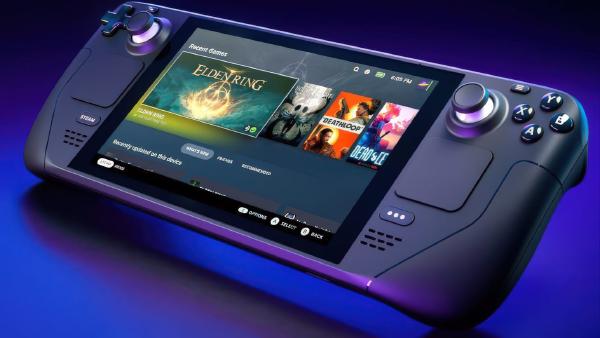
AMD has also confirmed plans for extending FSR 4.1 support to a wider range of devices. This includes potential compatibility with Steam Machines and the Xbox ROG Ally, creating a more inclusive gaming environment for players using various platforms. This move suggests that AMD is committed to enhancing accessibility while promoting its technology across multiple gaming systems.
The implications of this expansion are particularly interesting for gamers who rely on older hardware. By offering improved performance through FSR 4.1, AMD aims to breathe new life into gaming experiences without necessitating a complete hardware overhaul. Players with compatible older GPUs can benefit from these enhancements, allowing them to play newer titles at higher qualities even if their hardware is not cutting-edge.
For developers, the adoption of FSR 4.1 can open doors to greater creativity and visual storytelling. As studios strive to create immersive worlds with rich narratives, the ability to enhance graphics without taxing hardware can pave the way for more demanding projects. This is especially valuable for narrative-driven games that rely heavily on atmosphere and visual detail to engage players.
AMD’s ongoing efforts to compete in the upscaling space signal a commitment to player experience, emphasizing that high-quality gaming should be accessible to a broader audience. As the landscape of gaming technology continues to evolve, players can anticipate further advancements and innovations that prioritize performance alongside immersive storytelling.
Ultimately, FSR 4.1 not only marks an important step for AMD but also for at large. With its promise of enhanced support for a variety of devices, gamers can look forward to richer and more engaging experiences across their platforms.
AMD, founded in 1969, has long been a player in the computer hardware space, known for its CPUs and GPUs. Its FidelityFX Super Resolution technology aims to provide gamers with high-quality visuals and performance, making gaming experiences more enjoyable and accessible.
Image credit: Wikipedia
This article was generated with AI assistance and reviewed for accuracy.