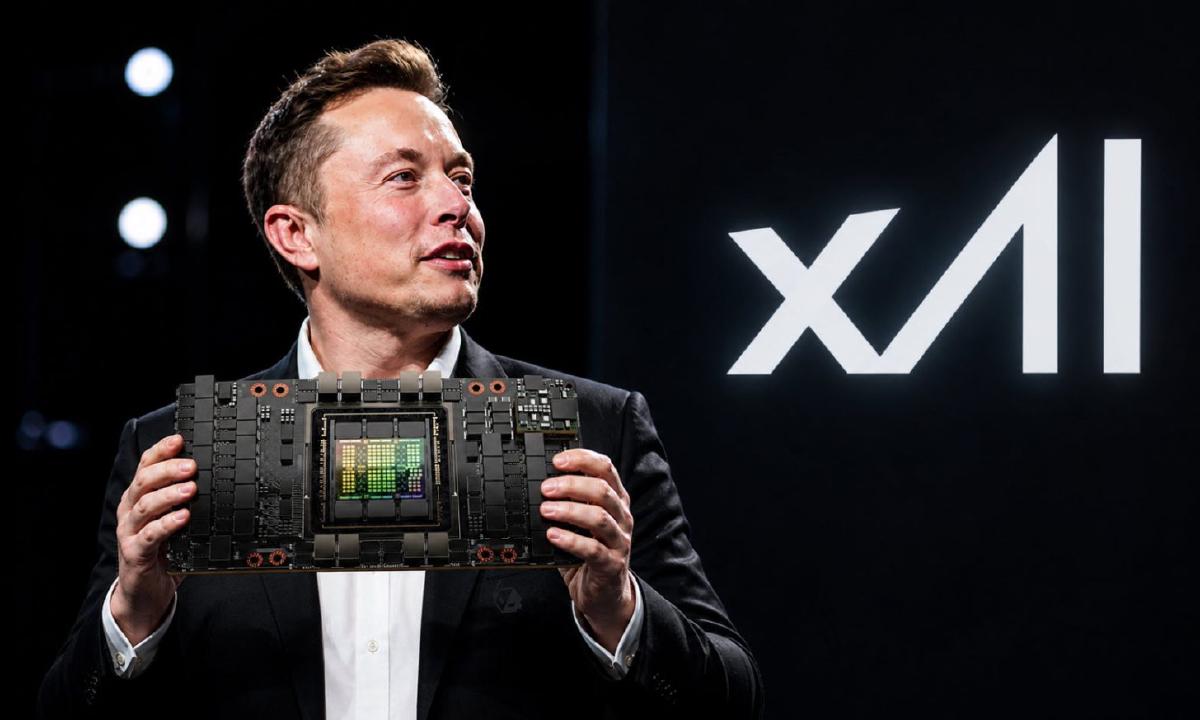
Elon Musk’s xAI is facing significant challenges in maximizing the potential of its vast GPU fleet, reportedly utilizing only 11% of its 550,000 NVIDIA GPUs. This performance shortfall stems from inefficiencies in its AI software stack, which has not been optimized effectively for the high-performance hardware it operates. As first reported by Wccftech, this low utilization rate is a stark contrast to competitors such as Meta and Google, which manage to leverage 43-46% of their respective GPU resources.
The 550,000 GPUs at xAI’s disposal include a combination of NVIDIA’s H100 and H200 units, representing a substantial investment in AI technology. However, the current software bottlenecks hinder the company’s ability to harness the full power of this hardware. In contrast, Meta and Google have optimized their systems to achieve higher utilization rates, allowing them to extract more value from similar resources. This disparity highlights a critical area for xAI to address if it intends to compete effectively in the rapidly advancing AI landscape.
The issue of GPU underutilization is not unique to xAI, as many companies in the AI sector struggle with software integration. The challenge lies in creating a software environment that can efficiently manage and distribute workloads across a vast array of GPUs. Without optimizations that can improve throughput and performance, even the most advanced hardware will remain underused.
xAI’s limited performance could have significant implications for its operational capabilities and market competitiveness. The company’s software products, including Gorq and other AI-driven components, rely heavily on efficient GPU processing. If xAI can enhance its software stack to better utilize its hardware, it may see improved performance and capabilities across its offerings.
Industry insiders have pointed out that the performance of AI systems is often bottlenecked by software inefficiencies rather than hardware limitations. This suggests that companies like xAI must prioritize software development and optimization initiatives if they wish to fully exploit their substantial hardware investments. By learning from the strategies employed by Meta and Google, xAI could improve its operational efficiency and performance.
The AI sector is increasingly competitive, with companies racing to develop more sophisticated AI tools and applications. As such, effective resource management and optimization will be crucial for maintaining a competitive edge. xAI’s current underutilization of its GPU fleet serves as a reminder that even well-funded ventures can face substantial hurdles if they do not effectively address the software challenges associated with advanced hardware.
In summary, xAI’s struggles with GPU utilization underscore broader challenges within the AI industry regarding software optimization. To remain relevant and competitive, the company will need to focus on refining its software stack and improving its GPU efficiency.
Founded by Elon Musk, xAI aims to create advanced AI technologies and products. The company is known for innovative projects like Gorq, which are pivotal in exploring the future possibilities of artificial intelligence.
Image credit: Wccftech
This article was generated with AI assistance and reviewed for accuracy.