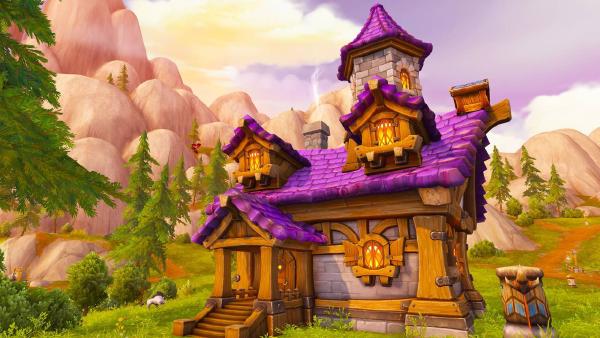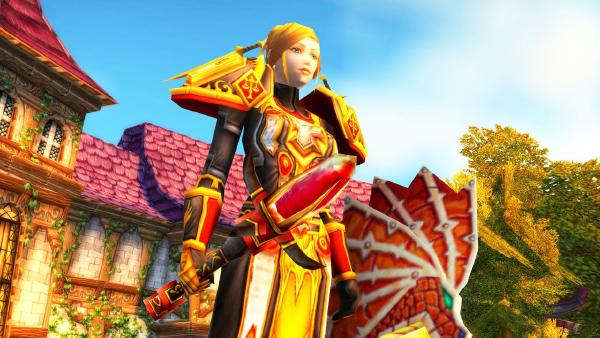
In a bold move, Blizzard Entertainment has embraced a live service model for World of Warcraft, successfully pulling the iconic MMORPG back from the brink of decline. However, as first reported by PC Gamer, this approach may also pose significant risks that could threaten the game’s long-term viability.
Initially launched in 2004, World of Warcraft has long held a place as a titan in the gaming industry. Yet, in recent years, player engagement dipped. Blizzard responded with extensive updates, seasonal content, and regular events,efforts that have rekindled interest and revitalized the player base. The live service model allowed for a more dynamic and responsive game experience, ensuring that players had fresh content to explore while keeping the community engaged.
Critics, however, are beginning to voice concerns about the sustainability of this model. While the constant flow of new content has drawn players back, it may also lead to burnout. The relentless pace of updates can sometimes feel overwhelming, as players navigate through a barrage of new quests, events, and changes. The fear is that this cycle could lead to fatigue, where players feel pressured to keep up or risk falling behind.
Blizzard’s commitment to live service has also shifted the way content is developed. Some fans worry that the focus on quantity may overshadow quality, as the studio juggles delivering new features while maintaining the game’s integrity. This balancing act is no easy feat, and fans are increasingly vocal about their desire for substantial improvements and meaningful updates rather than a constant stream of minor content.
Meanwhile, other studios have taken note of Blizzard’s approach, with many indie developers now exploring similar live service models. While these efforts can lead to innovative experiences, they also run the risk of diluting the gaming experience if not handled with care. Players are calling for games that prioritize depth and narrative over a sheer volume of content.
As we look ahead, the future of World of Warcraft hangs in a delicate balance. The live service model has undeniably brought a renewed energy to the game, but it also presents challenges that will require careful navigation. Blizzard must heed the voices of its community, ensuring that while it continues to provide new content, it also focuses on delivering a polished and meaningful experience.
For now, the fate of WoW,and perhaps the broader gaming landscape,depends on how well developers can learn from both the successes and pitfalls of the live service approach. With the community’s passion fueling the dialogue, there is hope that the industry can strike a balance that satisfies both developers and players alike.
World of Warcraft is a highly influential MMORPG developed by Blizzard Entertainment. The game has evolved significantly over its nearly two-decade history, appealing to a large player base with ongoing expansions and updates. The studio’s ability to adapt to player needs continues to shape its legacy in the gaming world.
Image credit: PC Gamer
This article was generated with AI assistance and reviewed for accuracy.