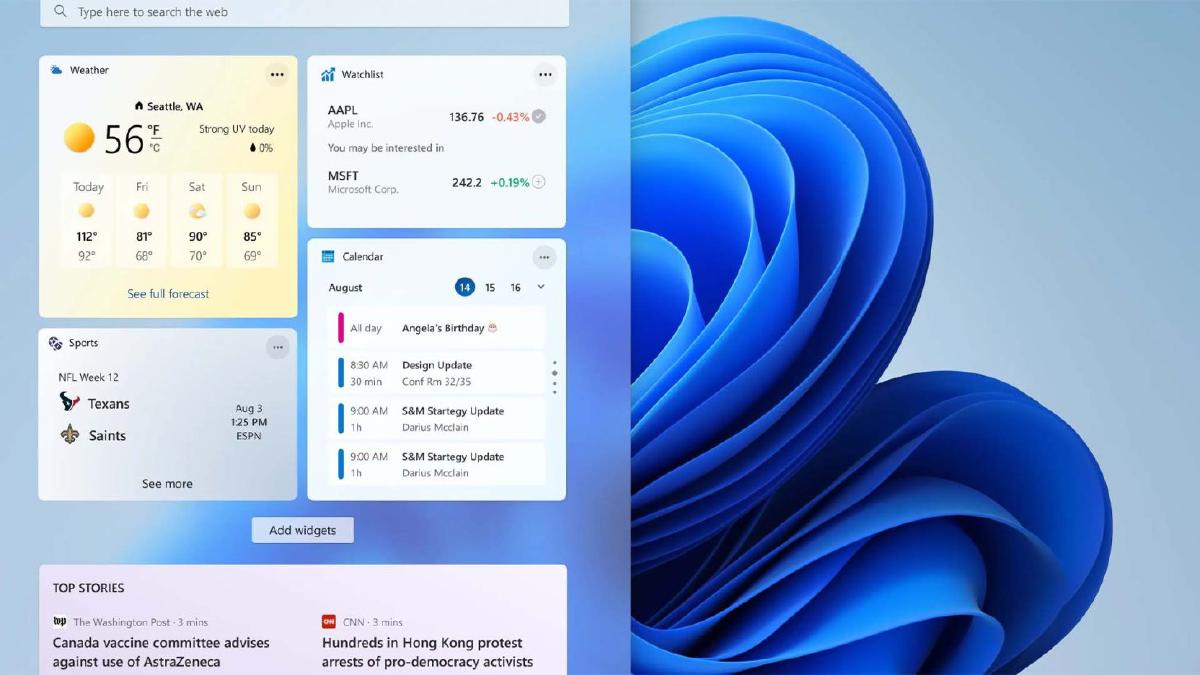
Microsoft’s Windows 11 operating system has made promises to enhance efficiency, particularly for devices equipped with 8GB of RAM. However, recent reports highlight a troubling issue with the built-in Weather app, which is consuming an astonishing 20% of system memory, as first reported by Wccftech. This situation poses a significant challenge for users relying on limited RAM, particularly those who are less tech-savvy or unfamiliar with optimizing their system settings.
The Weather app’s memory usage stands in stark contrast to its macOS counterpart, which reportedly consumes five times less memory and operates without the distraction of ads. Such performance discrepancies are disappointing, especially given Microsoft’s commitment to improving the overall efficiency of Windows 11. Users expect a streamlined experience, particularly when utilizing applications that should ideally be lightweight and unobtrusive.
The implications of high RAM consumption by the Weather app extend beyond mere inconvenience. For users engaged in demanding tasks,like gaming, video editing, or running multiple applications simultaneously,excessive memory usage can lead to sluggish performance and frustrating system slowdowns. As Windows 11 continues to roll out new features, the expectation is that core applications would adhere to the same efficiency standards Microsoft has promised.
Furthermore, the Weather app’s inefficiency raises broader concerns about the overall resource management of Windows 11. As users continue to shift towards cloud-based applications and services, optimizing local resource usage becomes increasingly important. High RAM consumption can deter users from fully adopting Windows 11, particularly those upgrading from previous versions where performance was more reliable.
Microsoft’s intention to enhance the RAM efficiency of Windows 11 is commendable, yet the current state of the Weather app suggests a disconnect between ambition and execution. As users continue to voice their concerns, it will be essential for Microsoft to investigate the underlying causes of such high resource consumption. Optimizing applications for low-RAM systems could be a pivotal area of focus for future updates.
While there are several strategies for users to manage their system’s RAM usage effectively, such as closing background apps and managing startup items, the necessity for these workarounds should not fall on the user. It is Microsoft’s responsibility to ensure that built-in applications operate efficiently without requiring users to engage in complex optimizations.
In summary, the Weather app’s performance on Windows 11 serves as a reflection of the operating system’s current challenges regarding RAM efficiency. As users await further updates, the hope is that Microsoft delivers on its commitment to enhance system performance, ensuring that all applications contribute positively to the user experience.
Founded in 1975, Microsoft has been a dominant force in personal computing. Windows 11, released in late 2021, aimed to modernize the user interface and improve performance across devices. However, ongoing challenges related to resource management remain critical topics as the company continues to evolve its software offerings.
Image credit: Wccftech
This article was generated with AI assistance and reviewed for accuracy.