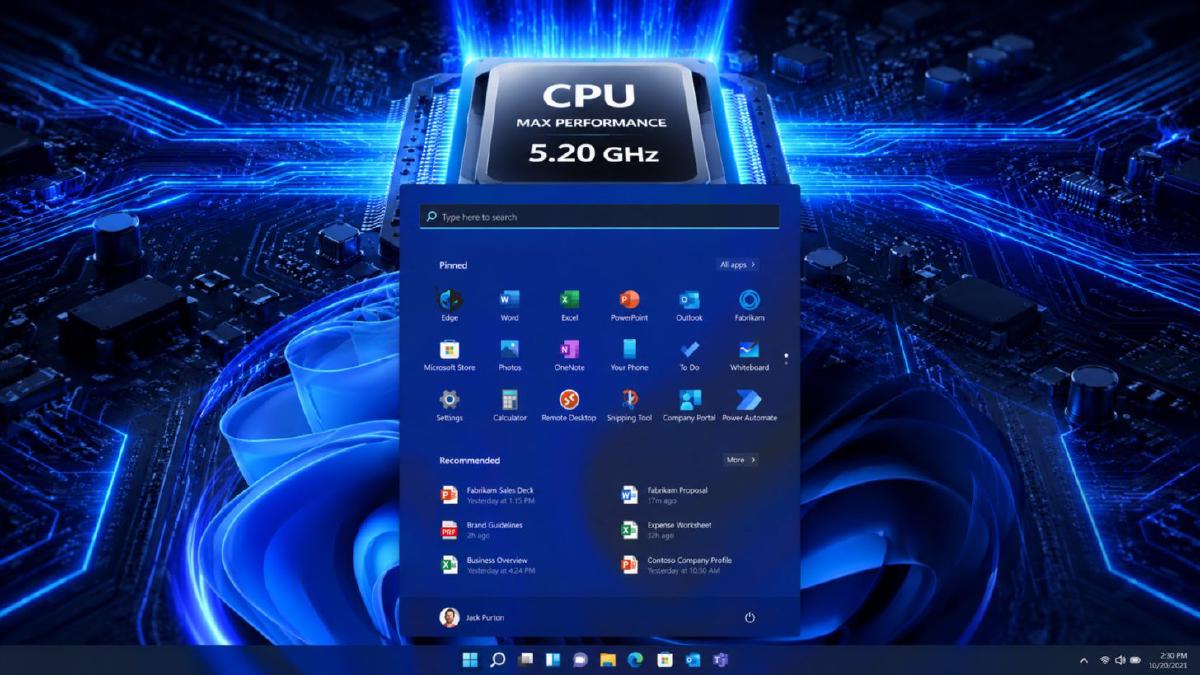
Microsoft is gearing up to enhance the performance of Windows 11 through an innovative feature dubbed the Low Latency Profile. As first reported by Wccftech, this initiative aims to temporarily push CPU clock speeds to their maximum, which could significantly improve the responsiveness of applications and the overall user interface.
The Low Latency Profile is part of a larger effort to elevate user experience within Windows 11. In addition to optimizing CPU performance, Microsoft is focusing on reducing system bloat and scaling back certain AI functionalities that may not be essential for all users. These changes are part of the ongoing “K2” project, which aims to streamline the operating system’s efficiency.
While Microsoft has not disclosed a definitive timeline for the rollout of these enhancements, the potential benefits are noteworthy. By maximizing CPU frequencies for short bursts, Windows 11 could handle tasks more swiftly, especially those that require immediate processing power. This could lead to noticeable improvements in both gaming performance and productivity applications, catering to a wide range of users who rely on the operating system for various needs.
Analysts have highlighted that such adjustments could enhance Windows 11’s competitive edge in a market saturated with performance-oriented operating systems. The ability to dynamically adjust CPU frequencies could also allow for better power management, optimizing both performance and energy efficiency. This flexibility is particularly appealing for gamers and content creators who demand high performance without compromising on system stability.
Furthermore, the initiative aligns with Microsoft’s broader goals of refining its software ecosystem. By reducing unnecessary features and focusing on performance, the company appears to be responding to user feedback that prioritizes efficiency and speed. These adaptations could position Windows 11 as a more agile platform, particularly in demanding environments where every millisecond counts.
The K2 project does not merely stop at CPU optimizations. Microsoft is also reportedly examining the overall architecture of Windows 11 to make it leaner and more responsive. This holistic approach could mean that users will see a marked improvement in loading times and application responsiveness, further enhancing the appeal of Windows 11 as a robust operating system for both work and play.
As the technical landscape continues to evolve, Microsoft’s efforts to refine Windows 11 may prove essential in maintaining relevance against competitors. The upcoming features suggest a commitment to not just meet but exceed user expectations, particularly in a time when operating system performance is crucial to user satisfaction.
In summary, Microsoft’s Low Latency Profile and the K2 project signify a concerted effort to elevate Windows 11’s functionality and user experience. Although details are sparse, the implications of these enhancements could resonate across various user demographics, from casual users to hardcore gamers.
Microsoft, the tech giant behind Windows 11, is known for its software innovations and has a long-standing history in the computing landscape. With each iteration of its operating systems, the company aims to integrate user feedback and technological advancements to create a more seamless experience.
Image credit: Wccftech
This article was generated with AI assistance and reviewed for accuracy.