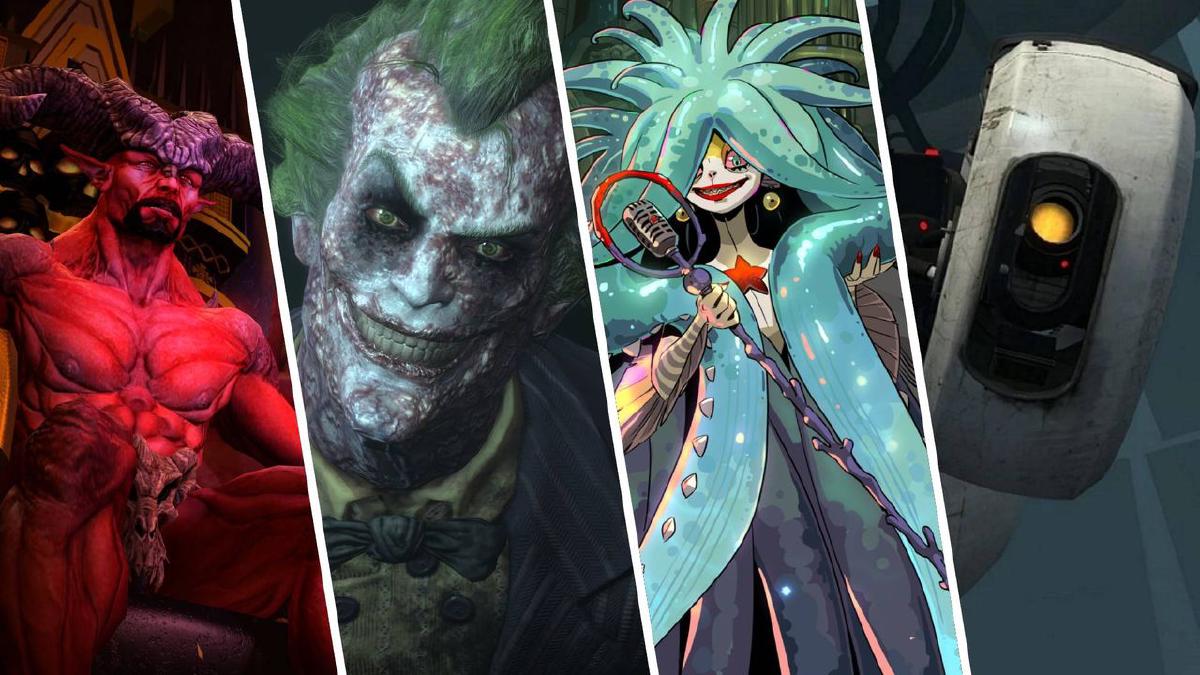
Recent discussions among gamers have highlighted a growing appreciation for video game villains who take their malevolent performances to the next level by singing. As first reported by PC Gamer, this trend emphasizes how a villain’s musical talents can enhance narrative depth, engage players, and create memorable experiences.
Historically, the presence of music in games has been significant, but when villains embrace the art of song, it adds a unique layer to their character development. From haunting ballads to upbeat anthems, these musical moments can evoke a range of emotions, making encounters with these antagonists not just battles, but theatrical experiences.
One standout example is Sephiroth from the Final Fantasy series. His iconic theme, “One-Winged Angel,” integrates choral elements that heighten the tension during pivotal battles. This blend of orchestration and vocal performance transforms Sephiroth into a formidable foe, making players feel the weight of the confrontation. The combination of music and gameplay has a way of embedding the character deeper into the players’ memories.
Similarly, Persona 5 features the charismatic antagonist Yaldabaoth, whose themes bring a theatrical flair to the game’s already rich narrative. The song “Last Surprise” plays during encounters with the game’s many adversaries, turning confrontations into not just strategic encounters but also dramatic performances that resonate with players long after the credits roll.
In Hades, the presentation of Zagreus’ various foes, particularly the god of the underworld himself, is accompanied by music that not only sets the atmosphere but also reflects their personalities. The interplay between dialogue, action, and song creates a multi-dimensional experience that lingers in players’ minds.
One of the more recent examples includes the clever interplay of music and combat in The Legend of Zelda: Breath of the Wild. Although not primarily focused on villains who sing, the music throughout the game often underscores moments of tension and triumph, solidifying the emotional stakes during confrontations with Ganon and other foes.
The implementation of musical elements in villainous narratives also reflects a broader trend in video game design that prioritizes emotional engagement. Developers are increasingly aware that players do not just seek escapism; they desire experiences that resonate on a deeper level. By giving villains a voice,literally,developers create an immersive atmosphere that contributes to richer storytelling.
This thematic depth is augmented by voice acting and musical composition, illustrating how much effort goes into crafting these characters. As technology advances, the ability to create complex, layered audio experiences in games continues to evolve, making it easier for developers to integrate singing villains into their narratives.
The trend is not without its challenges. Creating a memorable musical piece that also aligns with gameplay mechanics requires careful consideration. However, the risks often pay off, resulting in iconic moments that become synonymous with the title. The balance between gameplay and narrative has always been fundamental to video game design, and now, the inclusion of musical numbers adds an innovative twist.
In summary, video game villains who sing offer more than just entertainment; they elevate the gaming experience by weaving music into the fabric of storytelling. As this trend continues to grow, we can expect even more memorable performances from video game antagonists, turning epic confrontations into unforgettable musical battles that resonate long after the game is over.
With studios dedicated to enriching their narratives through innovative audio-visual experiences, the future of gaming villains looks like it will be filled with song.
Image credit: PC Gamer
This article was generated with AI assistance and reviewed for accuracy.