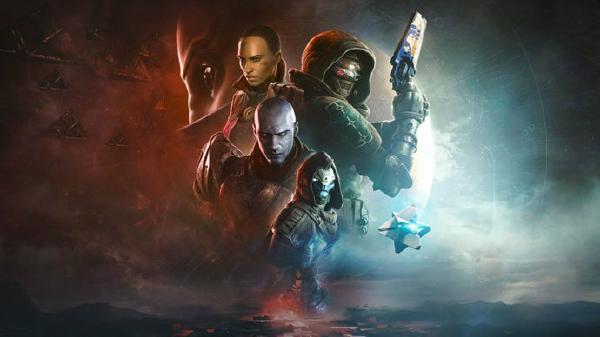
A recent exploration of video games as a lens for understanding political systems has led to unexpected conclusions. Researcher attempts to analyze various gaming experiences have revealed surprising insights regarding governance, suggesting a new framework dubbed “ultra-mega-communism.” As first reported by PC Gamer, this phenomenon arises from examining how game mechanics can mirror societal structures.
At the heart of this analysis is the recognition that video games often simulate complex social environments. Titles that prioritize resource management, community building, and cooperative gameplay can illustrate broader political ideologies. By engaging players in systems where collaboration and shared resources are crucial, developers inadvertently highlight aspects of communism as a viable form of governance.
This exploration hinges on the mechanics found in popular titles, where players must navigate alliances and resource allocation. Games like “Civilization” and “Stardew Valley” showcase how communal efforts can yield significant benefits, providing a stark contrast to competitive, individualistic models. The immersive nature of video games allows players to experience the consequences of governance firsthand, making these scenarios particularly impactful.
The concept of ultra-mega-communism extends beyond traditional socialist paradigms. It calls for a hyper-collective approach to resource management and societal organization within gaming environments. By examining how players engage with virtual communities, researchers argue that there is potential for these structures to inspire real-world political thought.
A key example cited in the analysis is “Fallout 76,” which, despite its controversies, illustrates how player interactions can shape community dynamics. The game’s focus on cooperation amidst post-apocalyptic chaos forces players to collaborate for survival, highlighting the strengths and challenges of collective efforts. Such experiences can shift perspectives on political systems, encouraging players to envision new possibilities for societal organization.
Critics of this viewpoint, however, raise concerns about the idealization of communal systems in gaming. They argue that while these mechanics can foster cooperation, they do not account for the complexities of real-world governance. The challenge lies in translating the simplified models of video games into the multifaceted realities of political systems.
This research is significant not only for political theorists but also for game developers. The findings suggest an opportunity for studios to create games that provoke deeper social commentary. As seen with the success of titles that incorporate political themes, such as “Papers, Please” and “This War of Mine,” there is an appetite for games that reflect societal issues.
While ultra-mega-communism may seem like a far-fetched idea, the underlying principle of using video games as a mirror for societal structures holds value. By engaging with these virtual environments, players can develop a nuanced understanding of governance, encouraging them to think critically about their own political landscapes.
As the intersection of gaming and politics continues to evolve, this analysis serves as a reminder of the power of interactive media. Video games can not only entertain but also educate and inspire new ways of thinking about complex issues like governance.
The studio behind these revelations may differ, but the implications resonate across the industry. Game developers have a unique opportunity to harness the medium’s potential, crafting experiences that challenge players to reflect on their own societal frameworks while having fun.
Image credit: PC Gamer
This article was generated with AI assistance and reviewed for accuracy.