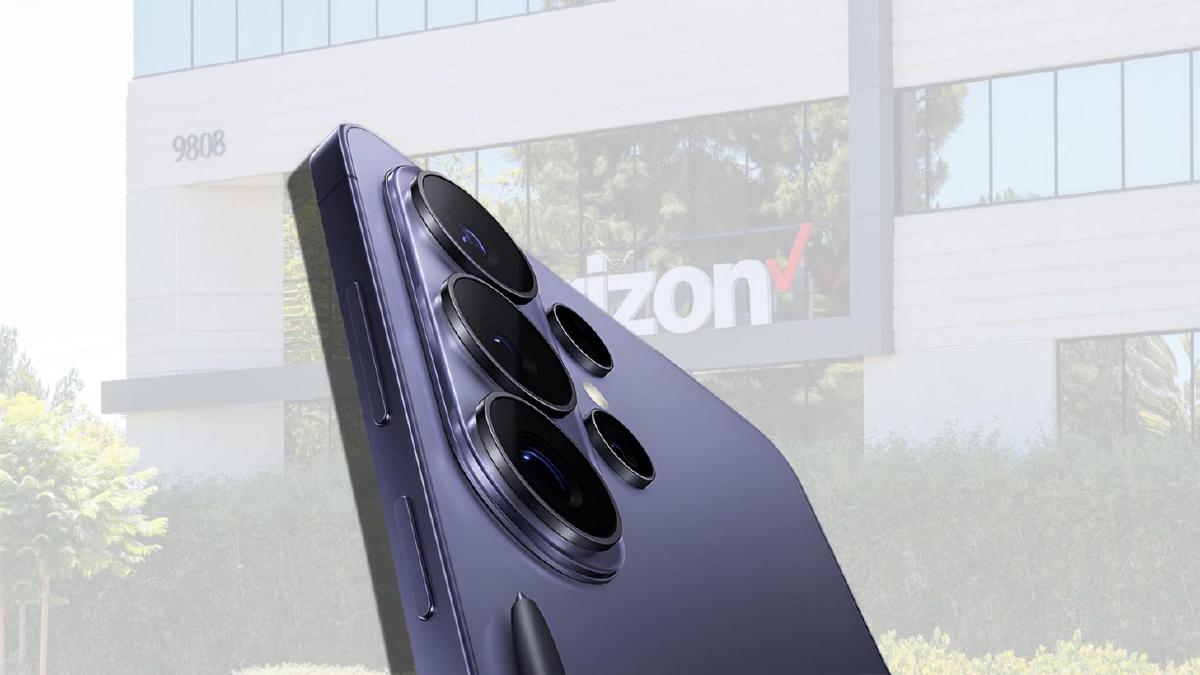
U.S. wireless carriers frequently roll out attractive promotions for customers looking to upgrade to the latest flagship devices. While these offers can often provide significant savings, they hinge on the carrier’s ability to fulfill the advertised terms. Recently, as first reported by Wccftech, a major oversight by Verizon resulted in one customer missing out on a remarkable deal for the Galaxy S26 Ultra, which included a $600 discount and additional incentives.
The customer, eager to secure the Galaxy S26 Ultra, was drawn in by Verizon’s competitive offer that not only slashed the price by $600 but also included perks like an extra line and an upgraded plan at no additional cost. Such deals are rare and represent a compelling opportunity for tech enthusiasts. However, the situation took a disappointing turn due to Verizon’s failure to honor the promotion.
Verizon’s promotional campaigns typically feature a series of requirements that customers must meet to qualify for the discounts. These can include maintaining a certain plan level, trading in an eligible device, or adding a new line. Unfortunately, in this case, the customer’s attempt to capitalize on the deal was thwarted by a lack of proper processing on Verizon’s end. Instead of walking away with a new flagship device at a substantial discount, the customer was informed that they would need to pay the full price, effectively voiding the offer that had initially enticed them.
This incident reignites discussions about customer service in the telecom industry, especially as many consumers depend on these promotions to access high-end technology at more manageable prices. Missteps like this can lead to frustration and diminished trust in the carrier’s ability to deliver on its promises.
As Verizon navigates the fallout from this error, it raises questions about the efficacy of their customer service protocols. Telecom giants operate in a fiercely competitive environment, and customer loyalty often hinges on their experience during promotional activities. Customers expect reliability when they engage with these deals, and any discrepancies can lead to significant backlash.
Verizon’s handling of this situation will likely impact its reputation moving forward. With consumers increasingly aware of their choices, maintaining a positive relationship with customers is essential for carriers looking to grow and retain their user base.
Verizon is not alone in facing challenges related to promotional offers. Many carriers occasionally mismanage their marketing campaigns, leading to missed opportunities for both the company and its customers. It’s crucial for these companies to implement better oversight and ensure that promotional deals are not only enticing but also executable.
, the Galaxy S26 Ultra incident serves as a reminder of the importance for carriers to uphold the integrity of their promotional offerings. As competition heats up in the telecom sector, how they respond to mishaps like this will be a determining factor in their long-term success and consumer satisfaction.
Background: The Galaxy S26 Ultra is a flagship smartphone from Samsung, known for its cutting-edge technology and premium features. Verizon is one of the largest wireless carriers in the U.S., frequently offering promotions to attract new customers and upgrade existing ones.
Image credit: Wccftech
This article was generated with AI assistance and reviewed for accuracy.