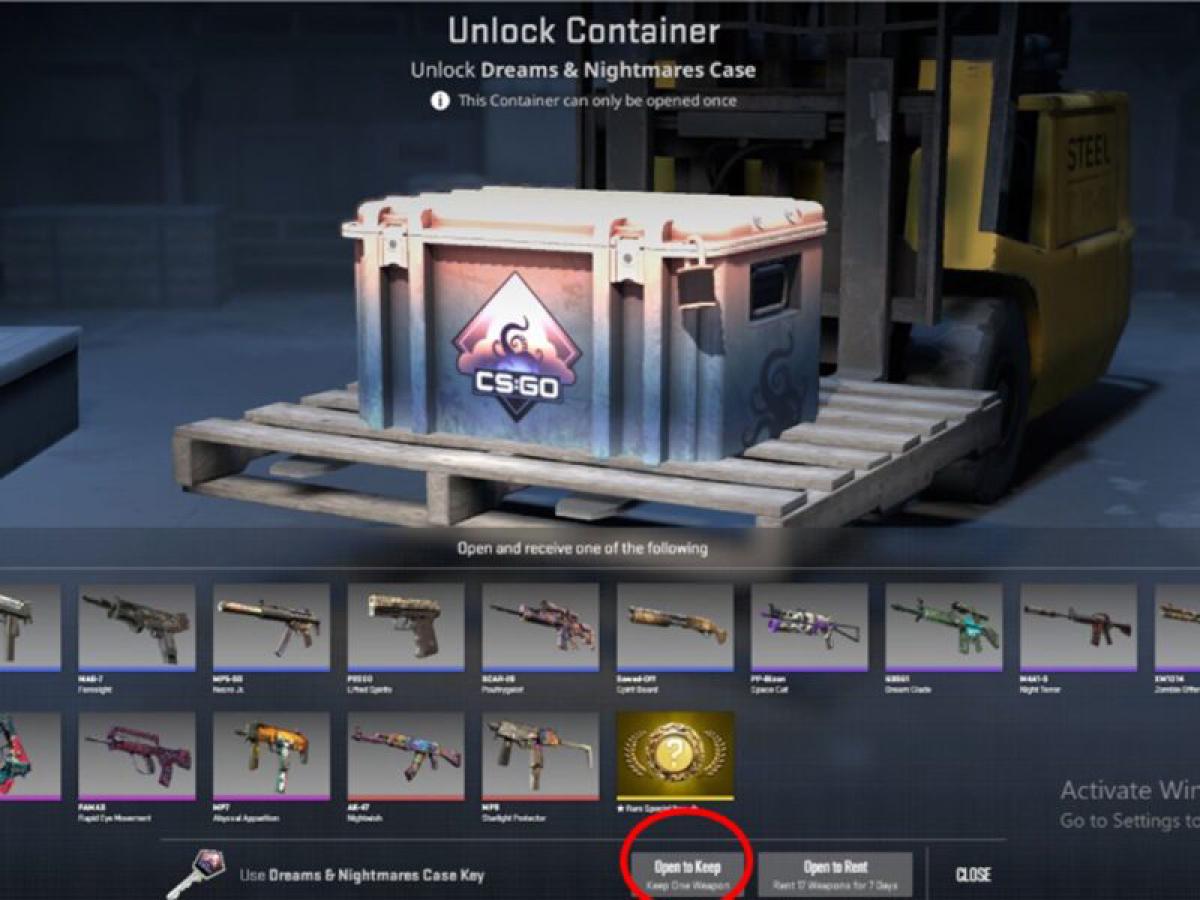
In a significant legal move, Valve Corporation has requested to dismiss a lawsuit claiming its popular game, Counter-Strike, facilitates illegal gambling. The lawsuit, filed in New York, has raised issues surrounding the use of skins,virtual items that can be bought, sold, and traded within the game. As first reported by Courthousenews, Valve’s legal team argues that the plaintiffs lack the necessary legal standing to proceed with their case.
The lawsuit centers around allegations that Counter-Strike’s skin gambling ecosystem allows players to engage in unregulated betting activities. These skins can be purchased with real money and are often used in third-party gambling websites, which has led to concerns about gambling addiction and underage betting. The plaintiffs assert that Valve has failed to take appropriate measures to prevent such activities, thereby contributing to what they describe as an exploitative environment.
Valve’s dismissal motions assert that the plaintiffs did not adequately demonstrate how they were harmed by the alleged gambling activities. The company contends that players have a choice in how they engage with the game and that the responsibility ultimately lies with the operators of the third-party gambling sites, rather than with the developers of Counter-Strike itself.
This case is not isolated; it mirrors a broader conversation in the gaming industry regarding the intersection of gaming and gambling. Several jurisdictions have begun to scrutinize how virtual goods are traded and whether these transactions fall under gambling regulations. However, Valve argues that the mere existence of virtual item exchanges does not classify them as gambling under New York law.
The implications of this lawsuit extend beyond just Valve. Many smaller developers and gaming communities are closely watching how the legal system navigates the murky waters of online gambling, as the outcome could set a precedent that affects countless titles and developers. The case highlights ongoing tensions between the burgeoning esports industry and regulatory frameworks that are still catching up with technological advancements.
In recent years, Counter-Strike has remained at the forefront of competitive gaming, attracting millions of players and spectators worldwide. The game has fostered a vibrant community, with numerous tournaments and a rich culture surrounding competitive play. However, the rise of skin gambling has introduced new challenges that must be addressed to maintain the integrity of the game and its community.
As this lawsuit unfolds, it will be crucial for the industry to balance innovation with responsibility, ensuring that the fun and competitive spirit of games like Counter-Strike is not overshadowed by darker elements. The outcome may also influence how developers approach virtual economies and gambling mechanics in their own titles.
Valve, a titan in the gaming industry known for its commitment to online gameplay, must navigate this turbulent legal landscape carefully. The company has built its reputation on fostering strong player communities and delivering compelling gaming experiences. How they handle this lawsuit could shape their future relationship with their players and the legal parameters surrounding gaming and gambling.
As the case progresses, both players and developers alike will be watching closely, hoping for a resolution that prioritizes player welfare while still nurturing the innovative spirit that defines the gaming world.
Image credit: Courthousenews
This article was generated with AI assistance and reviewed for accuracy.