In a recent interview with Bloomberg, Valve engineers Yazan Aldehayyat and Pierre-Loup Griffais expressed growing concerns about the ongoing memory crisis affecting the tech industry, stating that the situation is “still getting worse.” Their remarks come as gamers and hardware enthusiasts continue to grapple with exorbitant prices for RAM, crucial for both general computing and gaming performance.
The insights shared by Aldehayyat and Griffais underscore the significant supply chain challenges that have emerged in the wake of a surge in demand for memory products, particularly influenced by the rise of AI technologies. Aldehayyat pointed out that current retail prices for memory components do not reflect the actual costs reflected in bulk supply models, lagging behind by an estimated three to six months. The implications of this slowdown are particularly concerning for the gaming hardware market.
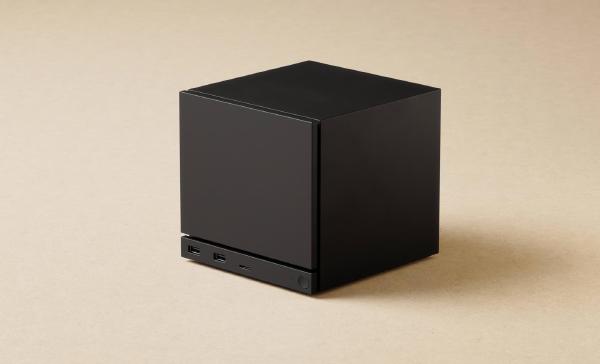
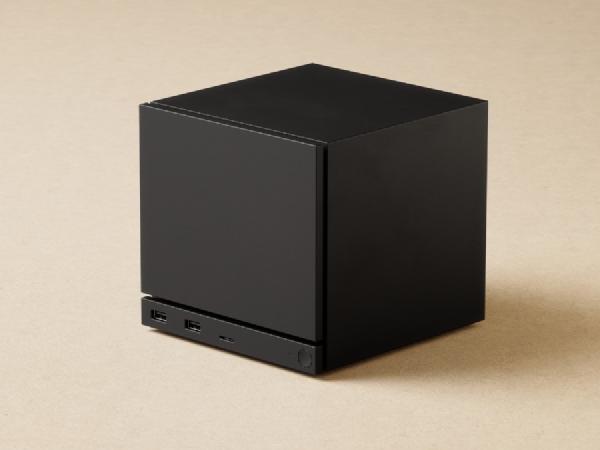
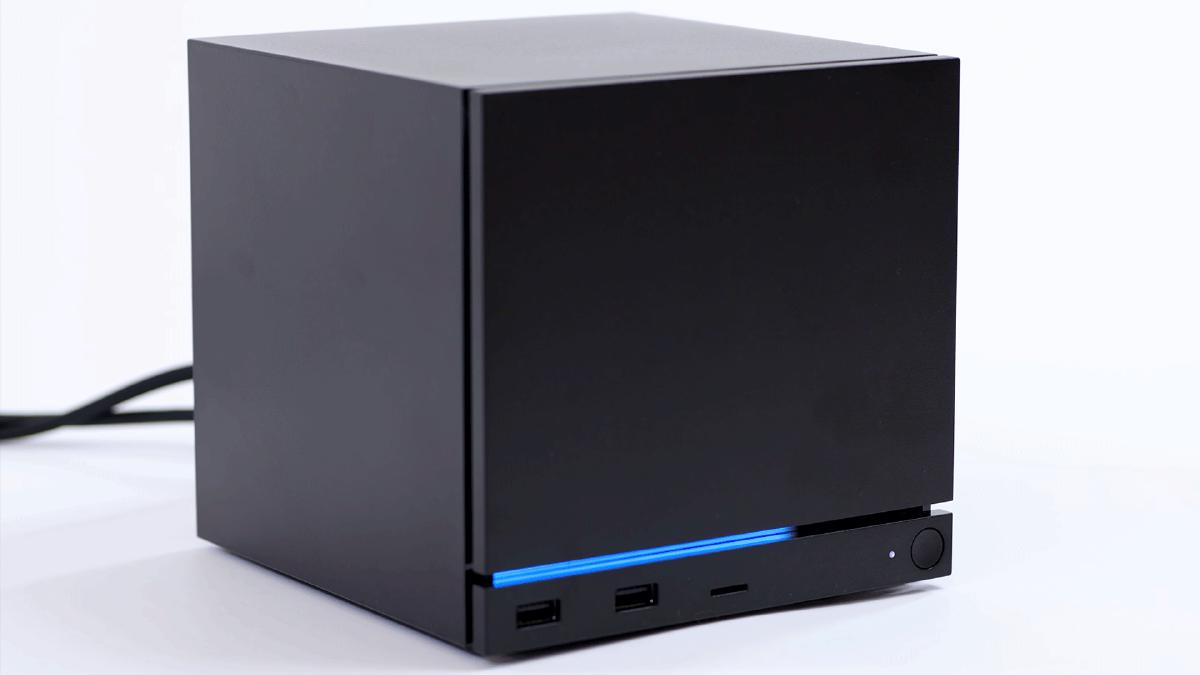
The Steam Machine, which launched with a base price of $1,049 for its 512GB model and reached up to $1,428 for the 2TB version bundled with a Steam Controller, has been caught in this turmoil. Aldehayyat acknowledged that while Valve anticipated some difficulties when introducing the device, the extent of the memory crisis was beyond their expectations.
Griffais further elaborated on the situation, stating that Valve is actively “building everything we can get our hands on,” yet remains constrained by memory capacity. The engineers emphasized that the challenges faced in sourcing sufficient RAM have been significant and continue to hinder production efforts. They have noted that while Valve would like to see a decrease in the Steam Machine’s pricing, such changes are not likely to happen in the near future.
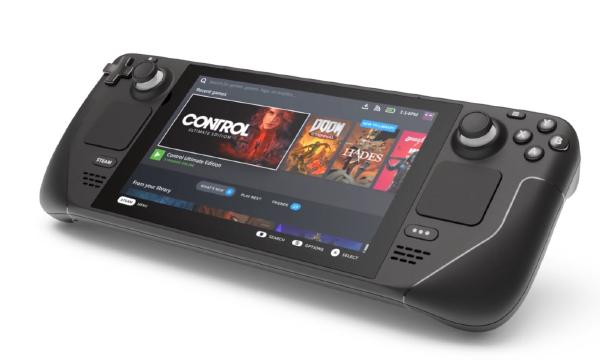
Valve’s troubles are not isolated to the Steam Machine alone. The company has also faced challenges in meeting the demand for its popular Steam Deck handheld gaming device. This dual struggle highlights the broader impact of the memory crisis, which has led to a ripple effect across various sectors of the tech industry.
The severity of the memory crisis has drawn attention from industry leaders beyond Valve. Micron CEO Sanjay Mehrotra recently projected that the RAM shortage could persist until 2027, while Epic Games CEO Tim Sweeney expressed similar concerns, noting that high-end PC gamers are likely to face continued difficulties due to the ongoing supply issues.
As first reported by IGN, the ramifications of this crisis are felt not only by manufacturers but also by consumers who are left facing inflated prices and limited access to critical gaming hardware. As the situation develops, it remains crucial for stakeholders in the gaming industry to monitor these trends closely, as they will undoubtedly shape the future landscape of gaming technology.
Valve is no stranger to innovation in the gaming sector, having gained prominence with franchises like Half-Life and Portal. The company continues to be a key player in the evolution of gaming hardware, despite the current market challenges. With the Steam Machine and Steam Deck, Valve aims to appeal to diverse gaming audiences, but external factors like the memory crisis complicate their efforts.
Image credit: IGN
This article was generated with AI assistance and reviewed for accuracy.