Analyzing the performance of modern PC games has become increasingly intricate due to the advancements in graphic APIs like DirectX 12 and Vulkan. The introduction of features such as asynchronous compute, hardware ray tracing, and machine learning-enhanced denoising means the conventional approach to performance analysis is no longer sufficient. Gamers and developers looking to optimize their experiences now need to leverage more sophisticated tools. One such tool is NVIDIA Nsight Graphics, which provides a deep how a game’s graphical workload is managed by the GPU.
As first reported by Wccftech, the complexity of rendering frames in contemporary titles stems from a variety of factors. With modern engines utilizing advanced techniques like temporal reconstruction and frame generation, understanding the nuances of GPU performance requires a comprehensive toolset. Basic performance overlays do not provide the granular detail needed to truly grasp where bottlenecks occur or how effectively the GPU is being utilized.
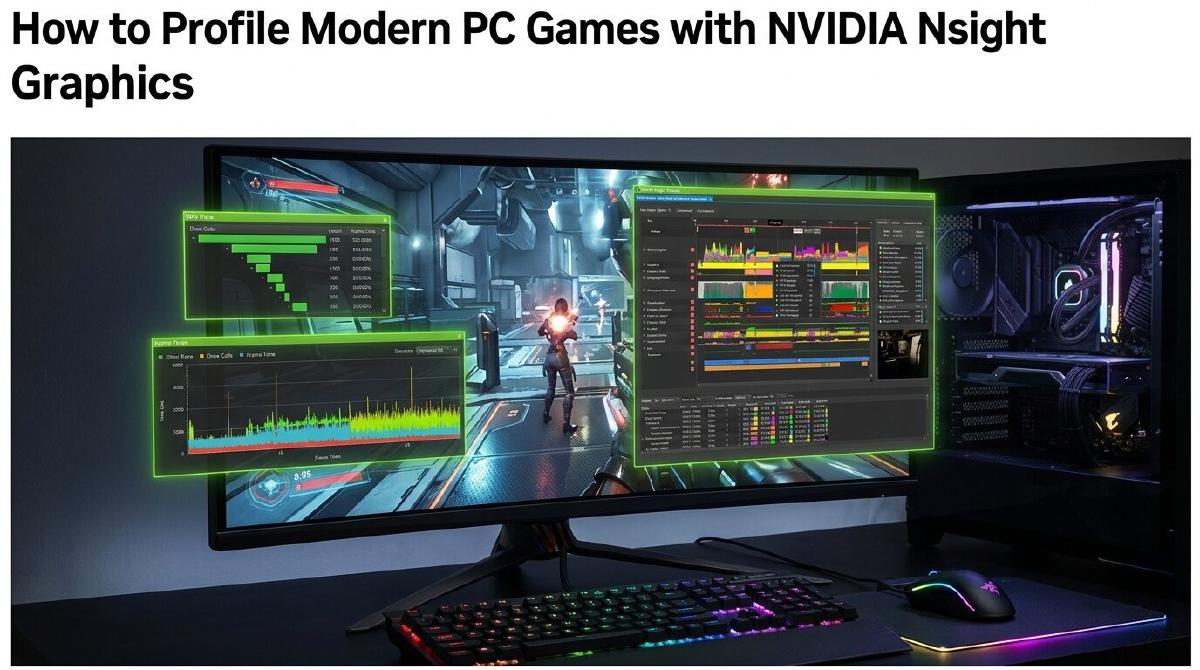
NVIDIA Nsight Graphics stands out as a powerful resource in this landscape, offering developers and tech-savvy gamers a window into the inner workings of their favorite titles. The application allows users to examine how work is distributed across the GPU, revealing critical insights into shader behavior during runtime and identifying performance-limiting stages. These capabilities enable more informed decisions when it comes to optimization.
To get started with Nsight Graphics, users must first install the tool, which is available for free. Once set up, the interface provides a range of profiling options that can capture frame data in real time. This data can then be analyzed through various visualizations that highlight workload distribution, shader execution, and memory consumption. The ability to interpret this information is vital for developers aiming to enhance their games or for players who want to understand their hardware’s performance.
One of the standout features of Nsight Graphics is its support for both DirectX 12 and Vulkan APIs. As games increasingly adopt these technologies, having a profiling tool that can seamlessly navigate between the two is essential. This versatility allows users to gauge performance across a wide spectrum of modern titles, whether they are running on an NVIDIA GPU or not.
Additionally, the tool offers debugging utilities that help diagnose issues related to graphics rendering. This aspect is especially beneficial for developers who can use these insights to fine-tune their games before release. By identifying potential problems early in the development process, studios can avoid costly patches and delays down the line.
While profiling with NVIDIA Nsight Graphics may seem daunting at first, the benefits of understanding how a game utilizes hardware are undeniable. Gamers interested in maximizing their gaming experience or developers looking to push their projects to the next level will find value in learning to navigate the complexities of modern game performance analysis.
As the industry continues to evolve, tools like Nsight Graphics are likely to become essential for anyone involved in PC gaming, from casual players to seasoned developers. The ability to dissect and comprehend the performance metrics of a game not only enhances individual experiences but also contributes to the overall quality of future releases.
NVIDIA, a key player in PC graphics technology, has a long-standing reputation for delivering innovative solutions that empower both gamers and developers. With Nsight Graphics, they continue this tradition, providing a robust framework for performance analysis in the demanding landscape of contemporary gaming.
Image credit: Wccftech
This article was generated with AI assistance and reviewed for accuracy.