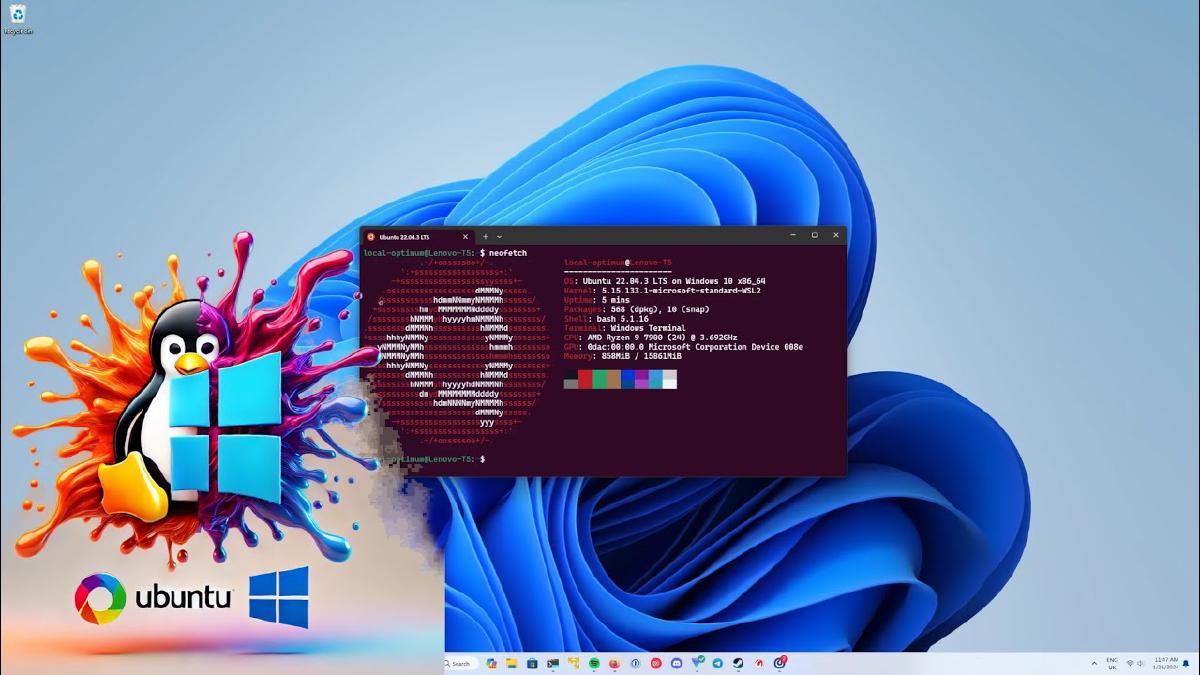
In a surprising yet promising forecast, Canonical has projected that the number of users running Ubuntu through the Windows Subsystem for Linux (WSL) will soon surpass those utilizing the native Ubuntu desktop installation. This revelation, first reported by Wccftech, highlights a significant shift in how users are approaching Linux on their PCs.
Jon Seager, Canonical’s Vice President of Engineering, shared insights on this trend during a recent discussion. He noted that the user base for Ubuntu on Windows is growing at a remarkable pace. The rise of WSL has made it easier for developers and tech enthusiasts to access Linux functionalities without the need to commit to a full operating system installation. By leveraging WSL, users can run Linux command-line tools alongside their existing Windows applications, which explains the surge in interest.
Canonical’s latest data indicates that this trend is not a passing phase. Seager is confident that Ubuntu installations via WSL may outnumber those on native systems within just a few months. This projection is indicative of a broader trend, where users increasingly seek flexible environments that accommodate their varying workflow needs. As Seager mentioned, the convenience that WSL offers is reshaping the landscape of how Ubuntu is experienced.
This growth aligns with a more significant movement towards hybrid computing, where users want the best of both worlds. The development community has shown a strong affinity for tools and platforms that facilitate seamless integration between different operating systems. This is particularly relevant for developers who rely on Linux-based tools but prefer the Windows interface for their day-to-day tasks.
The implications of this trend go beyond just user statistics. As more Windows users embrace Ubuntu through WSL, it may lead to greater attention from developers and content creators focused on the Linux ecosystem. This could foster a vibrant community that thrives on shared resources, tools, and innovations, ultimately benefiting everyone engaged in software development.
Canonical’s optimistic outlook for Ubuntu’s growth through WSL reflects a changing mindset among PC users. As the line between operating systems blurs, it’s becoming increasingly evident that the future of computing lies in flexibility and accessibility. As more people discover the potential of Linux through platforms like WSL, the question becomes not if but when Ubuntu will emerge as a leading choice among Windows users.
For those unfamiliar, Canonical is the company behind Ubuntu, a popular open-source Linux distribution known for its user-friendly interface and strong community support. Established in 2004, Canonical has been pivotal in promoting Linux adoption worldwide, ensuring that it remains an accessible alternative to proprietary operating systems. With WSL’s rising popularity, the company’s focus on enhancing the Ubuntu experience on Windows could further cement its position within the tech landscape.
Image credit: Wccftech
This article was generated with AI assistance and reviewed for accuracy.