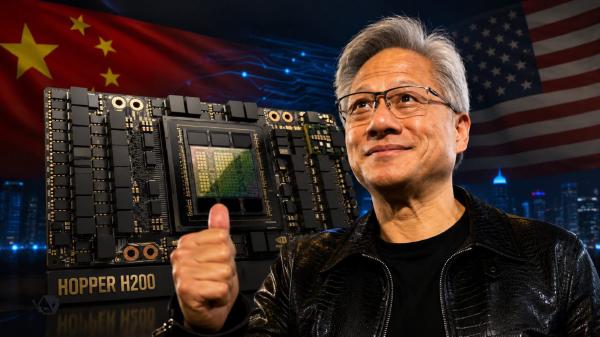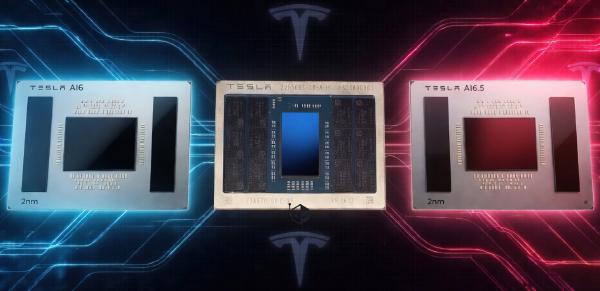
Taiwan Semiconductor Manufacturing Company (TSMC) is facing significant challenges in meeting the skyrocketing demand for its advanced packaging technology, specifically CoWoS (Chip on Wafer on Substrate). As first reported by Wccftech, this surge in demand for AI and high-performance computing (HPC) chips has pushed numerous clients to seek alternatives, leading them to place increased orders with competitors like Intel and other Taiwanese semiconductor manufacturers.
The semiconductor market is currently experiencing an unprecedented boom, primarily driven by advancements in artificial intelligence and the insatiable appetite for more powerful computing capabilities. TSMC has long been a leader in semiconductor manufacturing, especially noted for its cutting-edge packaging technologies. However, the sheer volume of orders for AI chips has become overwhelming, forcing TSMC to struggle to keep pace with client demand.
As a result, many companies that would typically rely on TSMC for their chip manufacturing are now turning to rivals such as Intel. This shift highlights not only the competitive landscape of the semiconductor industry but also the critical importance of advanced packaging technology in meeting the needs of AI-driven applications.
Intel, which has faced its own challenges in recent years, stands to gain significantly from TSMC’s struggles. The company is ramping up its production to accommodate the influx of orders from former TSMC clients who are seeking timely solutions. Other advanced packaging chip manufacturers are also likely to benefit from this situation, as the demand for high-performance chips continues to surge.
The situation illustrates the fragility of supply chains in the semiconductor industry, where demand can rapidly outstrip supply. TSMC’s current predicament may lead to increased collaborations or partnerships with other firms, as they seek to navigate this complex and evolving landscape.
The global semiconductor market is on a trajectory of growth, but the challenges faced by industry leaders like TSMC serve as a reminder of the delicate balance between innovation and capacity. As companies ramp up their production capabilities, it will be essential for the industry to adapt and evolve to meet the relentless demand for advanced technology.
Looking ahead, the ability of TSMC and its competitors to respond to these challenges will be crucial. The dynamics of the semiconductor industry are shifting, and how well these companies manage this surge in demand could shape the future landscape of technology development.
Founded in 1987, TSMC has become the world’s largest semiconductor foundry, providing advanced manufacturing services to many of the biggest names in technology. With its focus on continual innovation, TSMC has played a pivotal role in the development of many modern electronic devices, making its current challenges particularly noteworthy.
Image credit: Wccftech
This article was generated with AI assistance and reviewed for accuracy.