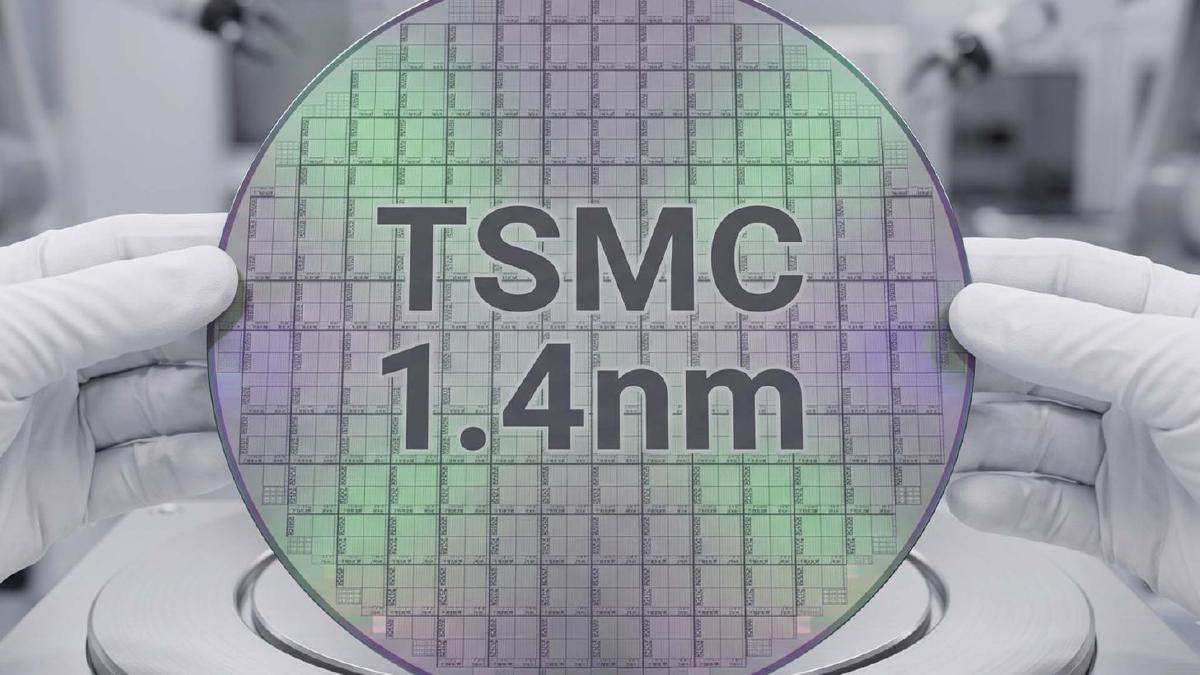
Taiwan Semiconductor Manufacturing Company (TSMC) is forging ahead with its ambitious plans for 1.4nm chip production, also referred to as A14. The world’s largest semiconductor manufacturer has set a target for mid-2028, pushing the boundaries of technological advancement in the semiconductor industry. This move comes even before the industry has fully embraced 2nm chipsets, showcasing TSMC’s commitment to leading the charge in cutting-edge chip technology.
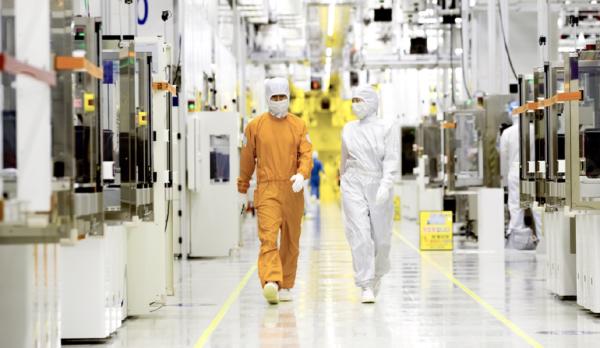
As first reported by Wccftech, the complexities associated with sub-2nm lithography have necessitated innovative solutions. TSMC is turning to artificial intelligence to overcome potential hurdles in the construction process, which can include high temperatures and various construction-related risks. The intricate nature of building a 1.4nm fabrication plant demands sophisticated approaches to avoid delays that could derail the company’s production goals.
To meet these challenges head-on, TSMC is investing a staggering $49 billion across four new plants dedicated to 1.4nm wafer production. This ambitious financial commitment underlines TSMC’s strategy to not only maintain its market leadership but also to pioneer advancements in semiconductor technology. The use of AI is particularly crucial as it helps streamline operations and enhances the efficiency of the construction process, allowing TSMC to focus on minimizing risks associated with the manufacturing of these advanced chips.
The journey toward building a 1.4nm plant is fraught with complications, but TSMC is determined to navigate these obstacles effectively. By integrating AI into its operational framework, TSMC aims to mitigate issues such as thermal management and construction setbacks, which can significantly impact timelines and costs. This strategic pivot towards AI aligns with broader industry trends that highlight the critical role of technology in advancing manufacturing capabilities.
As the semiconductor landscape becomes increasingly competitive, TSMC’s proactive approach sets it apart from rivals. The company is not just reacting to industry changes but is actively shaping the future of chip technology through innovation and significant investment. With its sights firmly set on 2028, TSMC is poised to make substantial contributions to the evolution of semiconductor technology.
In summary, TSMC’s ambitious pursuit of 1.4nm chip production is driven by a combination of substantial financial investment and the integration of AI to tackle the challenges of advanced manufacturing. The company’s efforts not only highlight its leadership in the semiconductor sector but also reflect a broader trend of leveraging technology to enhance production processes.
About TSMC: Founded in 1987, TSMC is the first dedicated semiconductor foundry and has grown to become one of the most influential players in the global technology sector. The company specializes in advanced semiconductor manufacturing and is known for producing chips for major technology firms around the world.
Image credit: Wccftech
This article was generated with AI assistance and reviewed for accuracy.