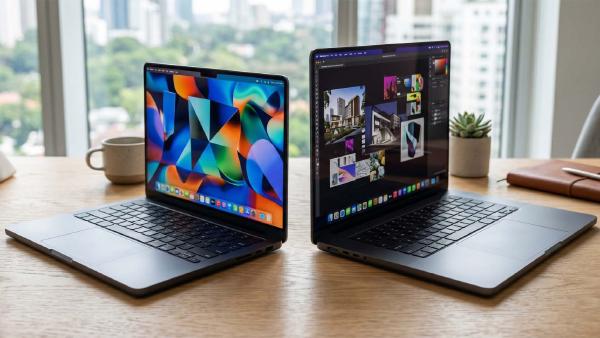
As first reported by Wccftech, the growing trend among premium laptop manufacturers to slim down their designs is leading to significant compromises in both build quality and thermal management. While Apple’s MacBook Pro has set a high bar with its sleek profile and innovative Apple Silicon chips, competitors are struggling to keep up without making serious sacrifices.
Apple’s success with its custom-designed SoCs allows their laptops to maintain impressive performance and manageable heat levels, even in thinner models. This efficiency has become a benchmark for many, but it appears that some manufacturers are misunderstanding the core balance of performance and design. Razer, noted for producing high-quality Windows laptops comparable to Apple’s offerings, is now veering toward a concerning strategy.
The recently unveiled Razer Blade 16, renowned for its premium aesthetic and powerful components, is becoming a case study in what can go wrong when style takes precedence over substance. Reports indicate that the laptop’s ultra-thin design has resulted in inadequate space to accommodate high-performance hardware, leading to overheating issues and reduced reliability. What should be a flagship device for gamers and creators alike is falling short of expectations, as the build quality has reportedly taken a hit as well.
Razer’s decision to prioritize a thinner form factor raises questions about the future of laptop design in the face of intense competition with Apple. While consumers desire sleek and lightweight machines, these benefits must not come at the cost of durability and performance. Traditional wisdom suggests that a laptop should not only look good but also perform reliably under heavy workloads. Unfortunately, with the Blade 16, it seems that the allure of aesthetics might be overshadowing essential functionality.
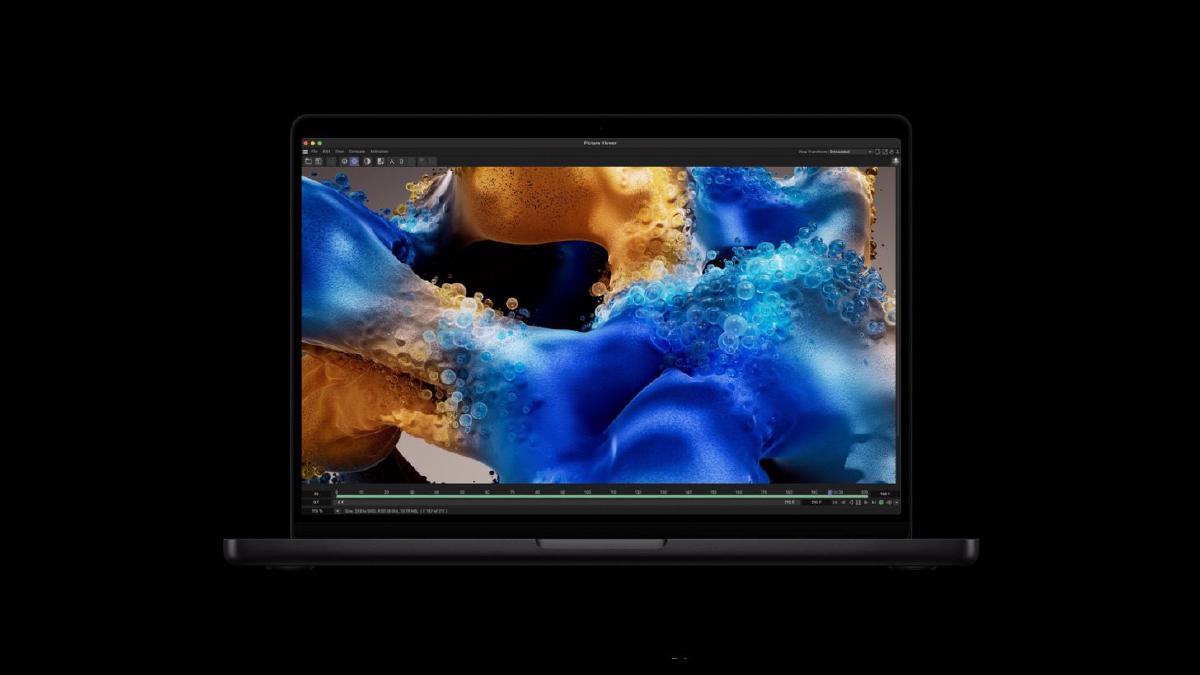
In contrast, Apple continues to leverage its efficient Apple Silicon to optimize performance without compromising on design. MacBook Pro users have praised the machine’s ability to handle demanding tasks while keeping temperatures in check. The impressive thermal management of these devices stands in stark contrast to the issues reported with Razer, highlighting a crucial distinction between the two brands.
The ongoing battle among premium laptop manufacturers to capture market share is likely to drive further innovations. However, if these trends continue, we may see more brands sacrificing quality for the sake of slenderness. As consumers, it’s essential to remain vigilant about what we prioritize in our devices. While a sleek laptop may be tempting, it shouldn’t come at the expense of performance and longevity.
As we look to the future, Razer and other competitors must recalibrate their approach to focus not only on thinness but also on what truly matters: build quality and thermal efficiency. Otherwise, they risk alienating their core audience who expect both style and substance from their high-end machines.
With the growing interest in gaming and productivity laptops, it’s clear that the stakes are high for Razer and its peers. Whether they can pivot back to a more balanced design philosophy remains to be seen, but for now, it appears that thin isn’t always better.
Razer, founded in 2005, is a gaming hardware manufacturing company known for producing high-performance laptops, peripherals, and software tailored to gamers and creatives alike. Their commitment to quality has historically positioned them as a direct competitor to Apple’s premium offerings. However, with the Blade 16’s recent performance issues, the company faces a critical moment to reassess its design philosophy.
Image credit: Wccftech
This article was generated with AI assistance and reviewed for accuracy.