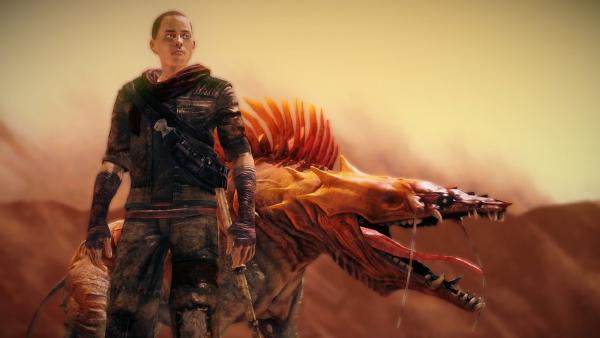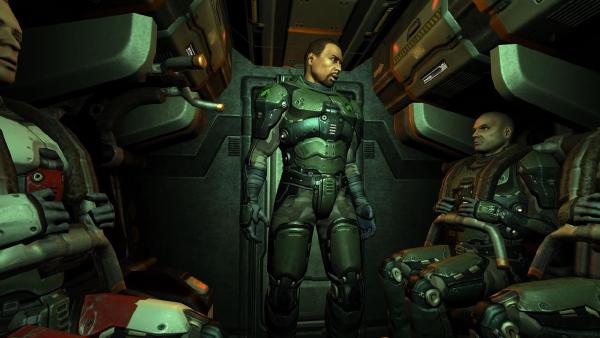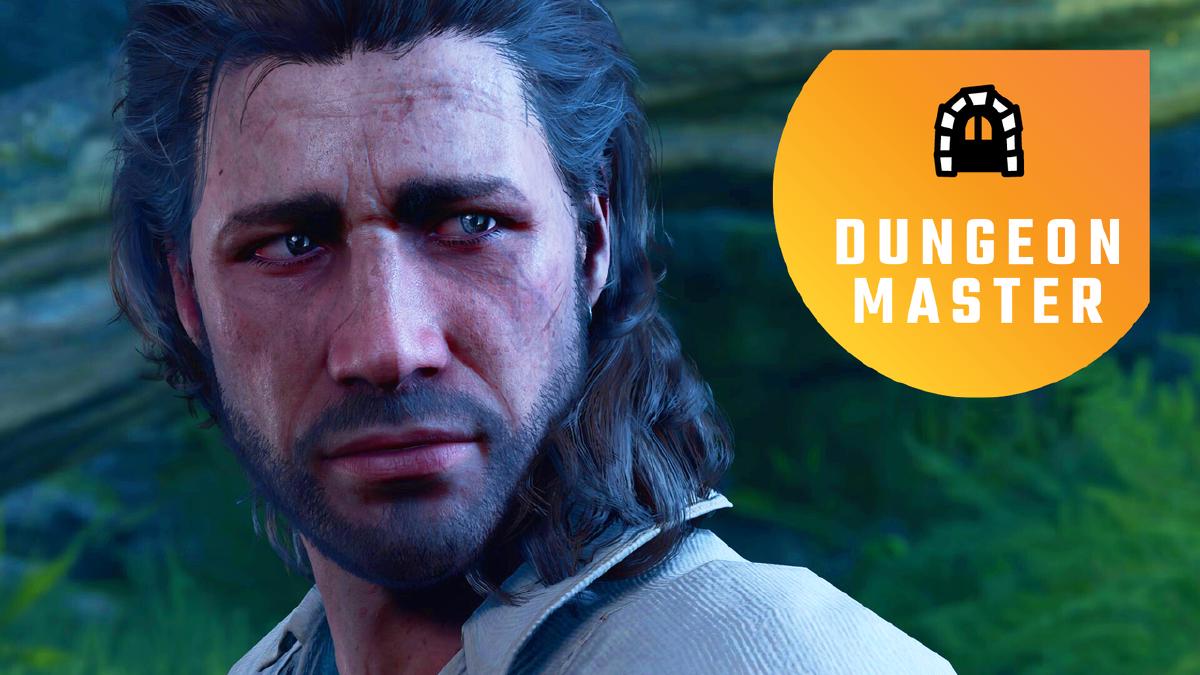
In the realm of role-playing games, companions play a crucial role in shaping the player’s experience. However, as first reported by PC Gamer, a recent discussion has emerged around the importance of making these companions flawed and sometimes even unlikable. This debate highlights the fact that a bit of tension can enhance the connections players form with their in-game allies.
Developers have long recognized the necessity of crafting memorable sidekicks. While many players seek companionship within their digital adventures, the reality is that well-rounded characters often come with their own set of flaws. According to industry insights, it is these imperfections that can create memorable moments and allow players to form deeper bonds with their companions. The concept is simple: the more relatable their struggles and shortcomings, the more players might find themselves invested in their journeys.
Take, for instance, the companions in critically acclaimed RPGs. Games like “The Witcher 3: Wild Hunt,” “Mass Effect,” and “Dragon Age” feature characters who, despite their strengths, often rub players the wrong way. Whether it’s through misguided humor, conflicting goals, or personal demons, these characters add layers of complexity that elevate the storytelling. Players may groan at their antics, but this often leads to laughter, frustration, or even empathy as they navigate their relationships within the game.
Smaller indie studios have begun to adopt this philosophy as they work to craft unique narratives. Titles like “Disco Elysium” and “Undertale” have shown how well-done companions, even with their quirks and faults, can lead to unforgettable moments. The more authentic the character, the more players feel a connection that transcends mere gameplay mechanics. Flawed companions not only provide conflict but also add depth, making victories feel more rewarding and defeats more poignant.
Moreover, developers are realizing that not all companions need to be heroic. In fact, creating a morally ambiguous character can prompt players to critically assess their own choices and reactions. This dynamic can serve to enhance the overall narrative and push players to think about their in-game relationships in new ways.
The conversation around companion design also touches on player agency. When companions are given distinct personalities, players often feel compelled to engage more deeply with the game world. The tension created by a companion’s unlikability can lead to engaging dialogue choices, impacting the story’s trajectory and leaving a lasting impression.
As indie developers continue to explore these themes, the industry at large is likely to benefit from the fresh perspectives they bring to character-driven RPGs. The potential for new narratives and character arcs that embrace the imperfections of companions promises to revitalize the genre.
In short, as the gaming landscape becomes increasingly populated by indie titles, the importance of creating relatable yet flawed companions will likely shape future RPGs. The love-hate relationship players develop with these characters becomes a key factor in crafting an immersive and emotionally resonant experience, one that keeps players coming back for more.
It’s exciting to see how indie developers are pushing the boundaries of character design, creating companions that challenge, entertain, and ultimately make players care. With each new release, the evolution of companion dynamics in RPGs continues to unfold, enriching the storytelling tapestry that defines the genre.
Image credit: PC Gamer
This article was generated with AI assistance and reviewed for accuracy.