In recent years, gaming laptops have made significant strides in performance, often rivaling traditional gaming desktops. As first reported by PC Gamer, many gamers are recognizing the advantages of these portable machines, particularly for their versatility and power. With the rise of eSports and mobile gaming, the demand for high-performance laptops has surged, prompting manufacturers to innovate and enhance their offerings.
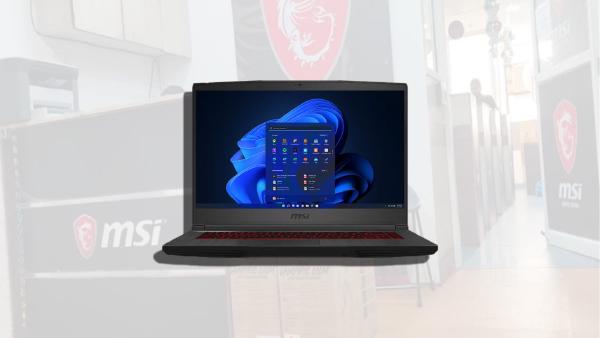
One of the most appealing aspects of gaming laptops is their portability. Unlike desktop setups, which require a dedicated space, gaming laptops can easily be transported to LAN parties, friends’ houses, or even on business trips. This flexibility allows gamers to play at their convenience, without being tethered to a specific location. The latest models come equipped with powerful GPUs and CPUs, capable of handling demanding titles without compromising on performance.
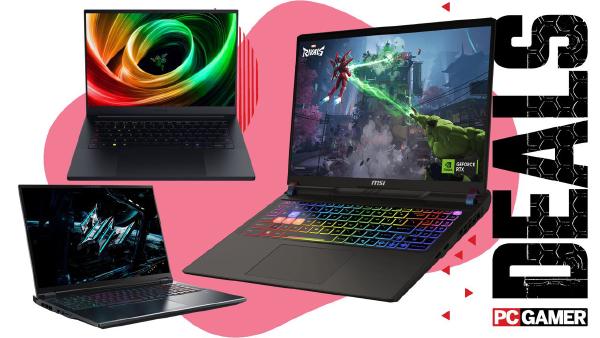
Manufacturers like Alienware and Razer have been at the forefront of this evolution. Alienware’s X17, for instance, showcases the potential of high-refresh-rate displays and advanced cooling systems, ensuring that gamers experience fluid gameplay even during intense sessions. Razer, on the other hand, has focused on combining sleek aesthetics with robust performance. Their Blade series continues to receive accolades for its ability to deliver desktop-level experiences in a compact frame.
Benchmark tests illustrate the impressive capabilities of today’s gaming laptops. For example, many top-tier models can achieve frame rates comparable to those of high-end desktops in popular titles like “Cyberpunk 2077” and “Call of Duty: Modern Warfare.” This advancement in technology means that gamers no longer have to sacrifice performance for portability.
Battery life has also improved considerably, a critical factor for gamers who wish to play unplugged. While earlier models struggled to deliver more than a couple of hours of gameplay between charges, contemporary gaming laptops can often sustain sessions exceeding six hours under optimized conditions. This enhancement allows gamers to enjoy their favorite titles without the constant worry of being tethered to a power outlet.
Heat management is another critical aspect where gaming laptops have improved. With advancements in thermal design, modern laptops are better equipped to dissipate heat generated during extended gaming sessions. Features like vapor chambers and improved fan configurations help maintain optimal performance without overheating, which is essential for preserving the longevity of the hardware.
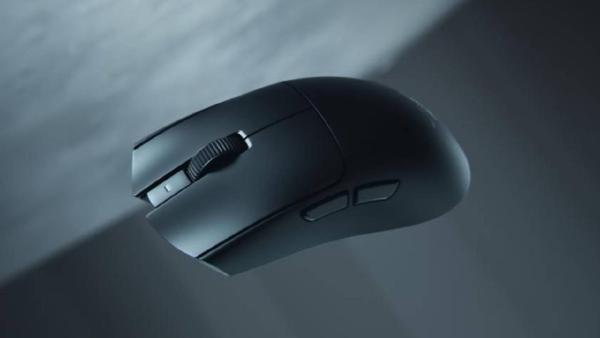
Not to be overlooked is the growing ecosystem of peripherals designed specifically for gaming laptops. High-quality external monitors, gaming mice, and keyboards can further enhance the gaming experience, providing gamers with the ability to customize their setup according to their preferences. This versatility ensures that gamers can create a comfortable and efficient gaming environment, whether at home or on the go.
However, potential buyers should remain aware of some challenges that come with gaming laptops. The price point is often higher compared to equivalent desktop setups, and upgradability can be limited. While many laptops now feature removable SSDs and RAM, the ability to upgrade components like GPUs is generally restricted.
Overall, the evolution of gaming laptops has transformed them from niche products to powerful machines that cater to serious gamers. With continued advancements in technology, there’s no doubt that these devices will become even more capable in the future, further solidifying their place in the gaming landscape.
In an era where gaming is not confined to one’s home, gaming laptops offer a solution that balances portability and performance, making them a smart choice for dedicated gamers on the move.
Context: Alienware, a subsidiary of Dell, is known for its high-performance gaming hardware, while Razer focuses on peripherals and laptops designed for gamers. Both companies continue to push the envelope in gaming technology, catering to diverse gaming needs.
Image credit: PC Gamer
This article was generated with AI assistance and reviewed for accuracy.