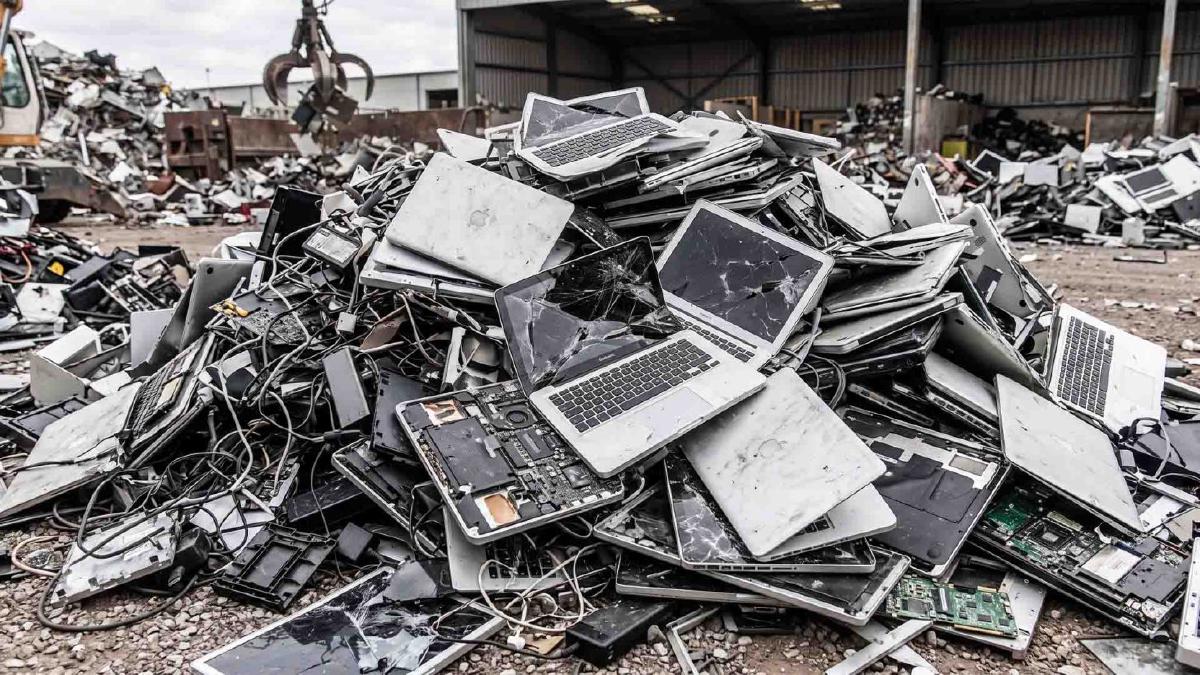
In a surprising turn of events during the ongoing DRAM crisis, a former employee has revealed that a technology company is destroying high-performance MacBook Pro models equipped with 48GB of unified memory. As first reported by Wccftech, over 100 of these powerful machines are reportedly being dismantled instead of being preserved or donated, raising questions about corporate responsibility in the face of hardware shortages.
The current DRAM shortage has been significantly exacerbated by increased demand from artificial intelligence (AI) sectors, which leads companies and consumers alike to seek more sustainable methods of utilizing their existing technology. Many firms are adopting strategies aimed at prolonging the lifespan of their hardware to reduce electronic waste. However, the actions of this unnamed company stand in stark contrast to this trend.
The former employee disclosed that the ongoing destruction of the MacBook Pro models, which are highly sought after for their performance and specifications, is neither economically sound nor environmentally responsible. Given the current landscape, where technology is becoming increasingly scarce, particularly devices with high memory configurations, this decision appears perplexing.
Typically, the 48GB RAM configurations in MacBook Pro models are designed to handle intensive tasks such as video editing, software development, and other high-performance activities. These machines represent a significant investment in quality and capability, making their destruction not only a waste of resources but also a loss for potential users who could benefit from their performance. The act of dismantling these machines instead of donating or recycling them raises ethical concerns about corporate waste and the treatment of technology.
In light of the mounting pressures from the DRAM market, it is crucial for companies to consider alternative solutions that align with sustainable practices. Best practices in the tech industry advocate for donating surplus hardware to schools, non-profits, or other organizations that could leverage the technology for educational and developmental purposes. By taking such actions, companies can contribute positively to society while mitigating their own environmental footprint.
This incident illustrates the disconnect that can occur within corporate decision-making processes, particularly when it comes to handling valuable assets in times of scarcity. As consumers become more aware of such practices, it could lead to reputational damage for companies that fail to act responsibly, potentially affecting their bottom line in the long run.
The MacBook Pro line, produced by Apple, has garnered a strong following among professionals and creatives for its robust performance, sleek design, and reliability. With the tech industry continually facing supply chain disruptions, the preservation of high-spec models is more critical than ever. The revelation that a company is not taking responsibility for its hardware assets amid a global crisis is disheartening and could serve as a cautionary tale for others in the sector.
This situation serves as a reminder of the importance of sustainability in technology and the need for companies to reevaluate their policies concerning hardware utilization. As demand for devices with higher specifications continues to grow, how organizations manage their existing resources will undoubtedly play a crucial role in shaping the future landscape of the tech industry.
Image credit: Wccftech
This article was generated with AI assistance and reviewed for accuracy.