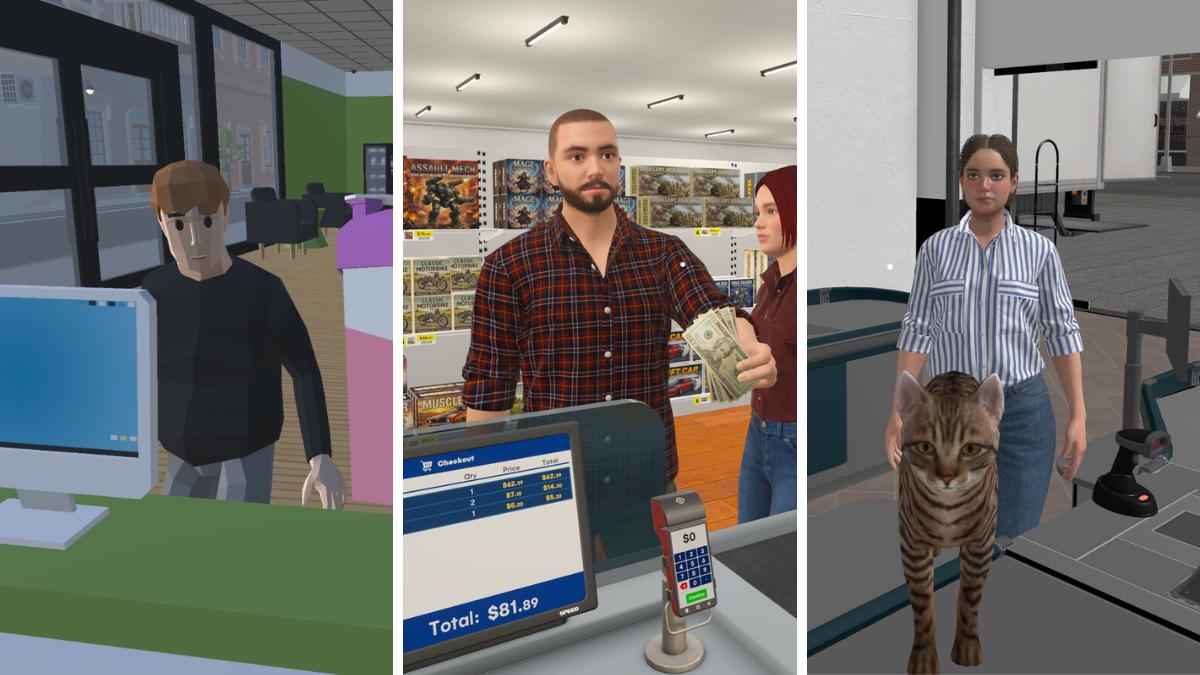
The indie game scene on Steam is currently experiencing a surge of quirky retail simulation titles, captivating players with their unique charm and often janky mechanics. As first reported by PC Gamer, this influx showcases the creativity of smaller developers who are carving out their own niche in an increasingly crowded marketplace.
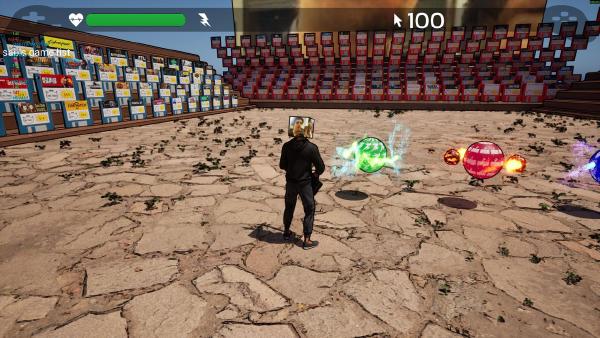
This trend has led to a diverse array of retail simulations that range from the highly polished to those that embrace the wacky and unconventional. Games that allow players to run their own shops, manage quirky inventories, and interact with eccentric customers are becoming more common. Titles like “Shopkeep,” “Game Dev Tycoon,” and “Retail Royale” exemplify this wave, offering players the chance to immerse themselves in the often chaotic world of retail management.
What makes these games particularly appealing is their ability to fuse humor, creativity, and often absurd mechanics. Players can expect to encounter a broad spectrum of gameplay experiences. Some titles focus on serious management strategies, while others lean heavily into the hilarious mishaps that can arise when running a store. This playful approach to game design is resonating with a broad audience, from casual gamers to those seeking deeper engagement with the mechanics of running a business.
The rise of these retail sims reflects a larger trend in gaming where developers are willing to take risks and explore unconventional themes. Small studios are increasingly finding success by tapping into niche markets and catering to specific player interests. This experimentation is not just refreshing; it also signifies a thriving ecosystem where unique ideas can flourish, regardless of their commercial viability.
However, it’s essential to recognize the challenges that come with this janky charm. Many of these games may not boast the polish or stability of their AAA counterparts, leading to a mixed bag of experiences for players. Bugs, glitches, and unpredictable gameplay can sometimes detract from the overall enjoyment, but for many fans, these quirks are part of the charm. The community’s ability to rally around these imperfect creations speaks volumes about the passion for indie games and the stories they tell.
The ongoing popularity of these retail simulations is also indicative of a shift in player preferences. As gaming evolves, more players seem to gravitate towards experiences that prioritize creativity and individuality over mere graphical fidelity. This shift invites developers to experiment with new ideas and mechanics, ultimately enriching the gaming landscape.
The future of indie retail sims looks bright, as more developers are inspired to contribute to this growing genre. With platforms like Steam providing the space for these unique titles to flourish, players can expect even more inventive games that push the boundaries of what a retail simulation can be. As this trend continues to unfold, it’s an exciting time for gamers who cherish creativity and innovation in the titles they choose to play.
Amidst this wave, it’s crucial to support smaller studios that often go unnoticed. These developers pour their hearts into creating memorable experiences, and by championing their work, players can help cultivate an environment where indie games thrive. The community’s engagement with these titles not only boosts their visibility but also encourages more creators to take the plunge into game development.
As we look forward, let’s continue to celebrate the quirks and charms of indie retail sims, embracing the unique journeys they offer while advocating for the developers who bring them to life.
Image credit: PC Gamer
This article was generated with AI assistance and reviewed for accuracy.