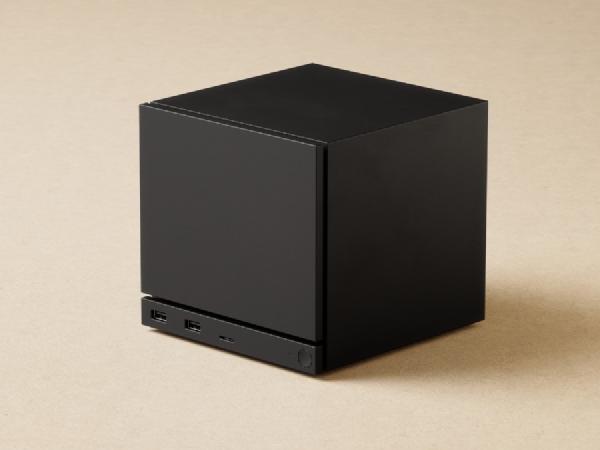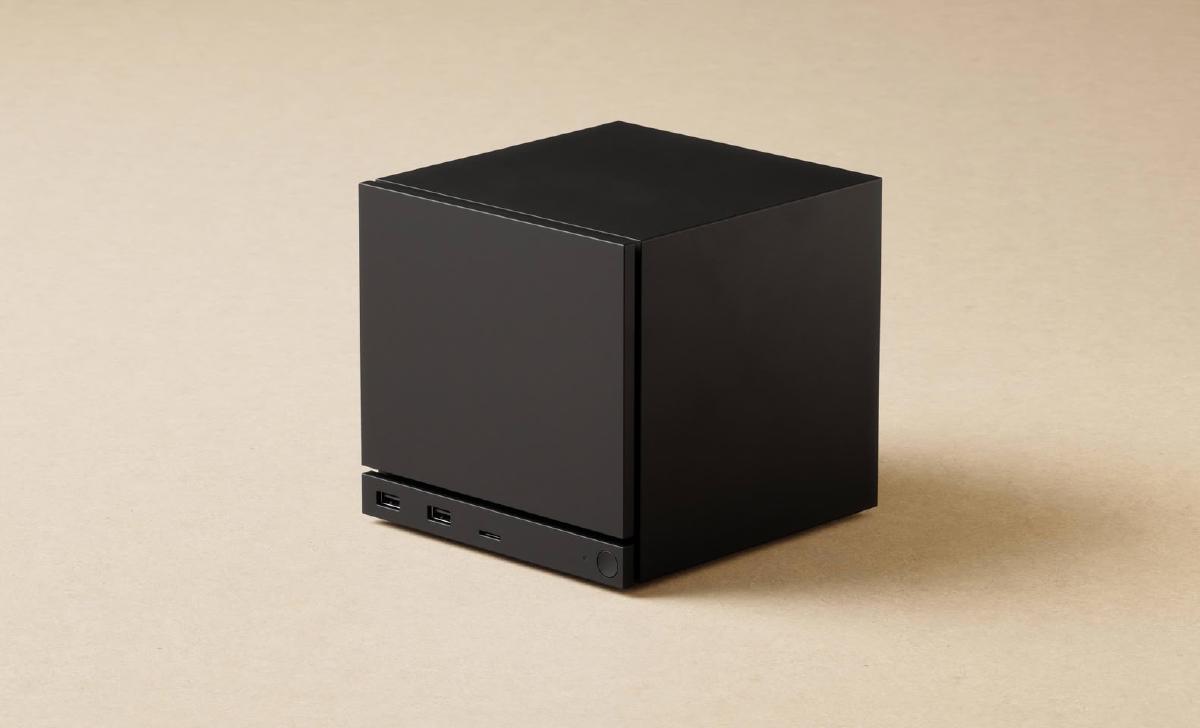
In a surprising turn of events, [Valve’s Steam Machine](/pc/valves-new-steam-controller-set-for-may-4-release-amid-hardware-delays/)s are reportedly selling between 12,000 and 15,000 units weekly. This figure indicates a steady demand for Valve’s gaming hardware, despite skepticism surrounding the Steam Machine concept since its launch. As first reported by Techpowerup, these units are making a significant impact in a market often dominated by traditional consoles and powerful gaming PCs.
The Steam Machine was introduced by Valve in 2015 as an attempt to bring PC gaming into the living room and compete with high-powered consoles. However, the journey has been rocky, with initial excitement giving way to mixed reviews and a lack of clarity in the marketplace. Steam Machines are designed to run SteamOS, Valve’s Linux-based operating system, which has had its challenges in terms of game compatibility and performance compared to Windows-based systems.
Despite these hurdles, recent sales numbers indicate that Valve may be finding a foothold. Industry analysts speculate that the increase in sales could stem from a combination of factors, including the growing interest in PC gaming and the recent updates to SteamOS that have improved game compatibility. Gamers who prefer a console-like experience without sacrificing the flexibility of PC gaming may be drawn to the Steam Machine’s offerings.
In addition to the sales figures, Valve has been actively improving the Steam ecosystem, enhancing user experience and expanding its library of games. The company has also been focusing on partnerships with smaller developers, further enriching the platform with indie titles that resonate with gamers looking for something unique. This strategy could be one of the reasons behind the renewed interest in Steam Machines, as a diverse game library is crucial for attracting and retaining users.
While the sales numbers are promising, the future of Steam Machines is not without its challenges. The gaming industry is notoriously fickle, and consumer preferences can shift rapidly. Moreover, Valve faces stiff competition from established console makers and high-performance gaming PCs. To maintain momentum, the company will need to continue innovating and ensuring that its hardware meets the evolving needs of gamers.
As Valve pushes forward, it is clear that the Steam Machine has found a niche in the market. The combination of a robust game library, ongoing support for developers, and a unique gaming experience may be enough to keep the momentum going. For fans of indie games and smaller developers, this is particularly encouraging, as it highlights the potential for diverse titles to find a platform in the mainstream gaming scene.
Established in 1996, Valve Corporation is best known for its influential games like Half-Life and Portal, as well as the digital distribution platform Steam. The company’s foray into hardware with Steam Machines aims to bridge the gap between PC and console gaming, providing a unique solution for gamers seeking versatility in their gaming setups. With ongoing innovations and partnerships, Valve continues to hold a significant place in the gaming landscape.
Image credit: Techpowerup
This article was generated with AI assistance and reviewed for accuracy.