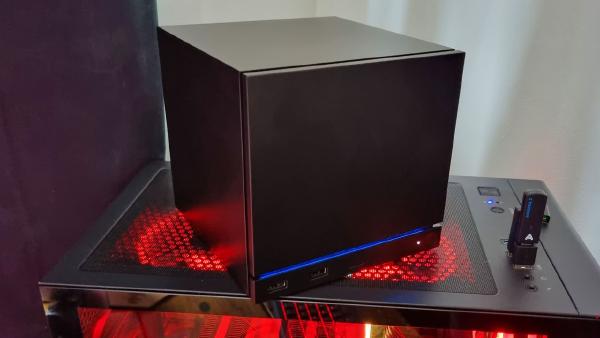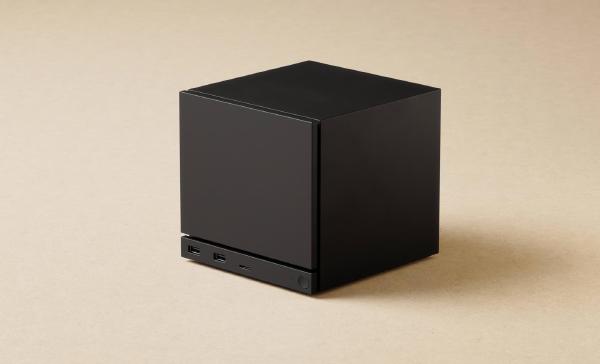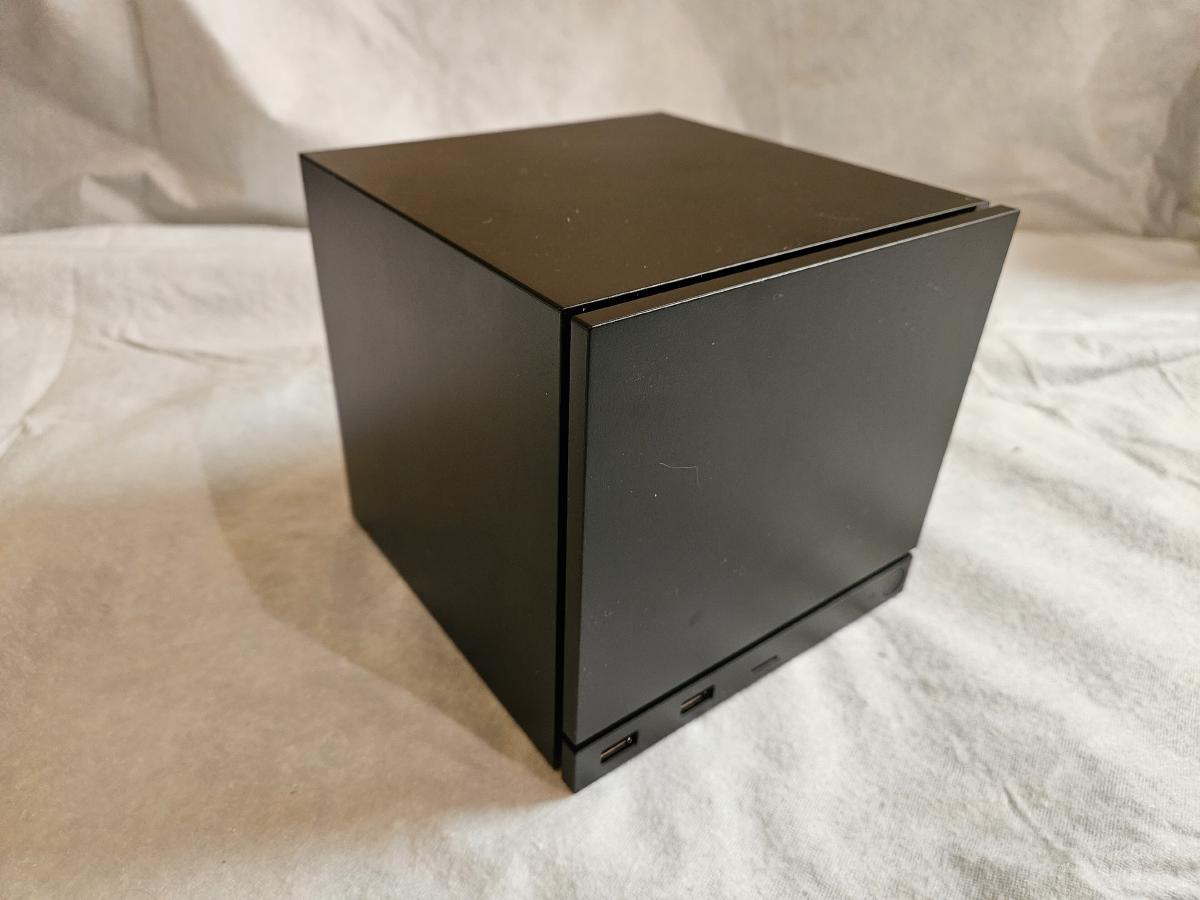
In a bold experiment, a gamer has replaced all of their consoles and PC with a Steam Machine for an entire month. The objective was to determine whether this gaming rig could serve as a comprehensive solution for diverse gaming needs. As first reported by GameSpot, the findings from this month-long test raise questions about the viability of Steam Machines in a landscape dominated by more traditional gaming consoles and high-performance PCs.
The Steam Machine, developed by Valve, is designed to run SteamOS, a Linux-based operating system tailored for gaming. While intended as a direct competitor to consoles like the Xbox Series X and PlayStation 5, the Steam Machine has struggled to gain traction since its initial launch. Most notably, the hardware variations and ongoing software issues have left many gamers skeptical about its potential.
Throughout the month-long trial, the gamer encountered both strengths and weaknesses. One of the standout benefits was the extensive library of games available on Steam. The platform’s compatibility with a wide array of titles, including indie gems and AAA blockbusters, provided a diverse gaming experience. The ability to customize graphics settings based on hardware capabilities also allowed for an adaptable experience, catering to both high-end and less-demanding games.
However, this flexibility was not without its drawbacks. Users often faced challenges with game performance and stability, particularly with titles that are more demanding on system resources. While some games ran smoothly on the Steam Machine, others suffered from frame rate drops or compatibility issues. This inconsistency highlights one of the critical hurdles for Steam Machines: the varying quality of hardware configurations and the need for optimization.
Another issue that surfaced was the user interface of SteamOS itself. Although it has improved since its initial release, navigating through the system can be cumbersome, especially for those accustomed to the more streamlined interfaces of console ecosystems. The time spent adjusting settings to get the best performance out of each game detracted from the overall gaming experience for the tester.
The experiment also revealed that while the Steam Machine can function as a living room console, it does not completely replace the experience of dedicated gaming consoles or high-end PCs. For multi-player sessions with friends, the seamless nature of consoles remains unmatched. The convenience of simply plugging in a console and playing without extensive setup is something that the Steam Machine struggles to replicate.
The ability to leverage Steam’s cloud saves and community integration was a plus for the tester, allowing for easy access to game progress and the social aspects of gaming. However, these features could not offset the significant learning curve associated with using SteamOS and the potential for performance inconsistencies.
In summary, while the Steam Machine presents a compelling option for gamers looking to consolidate their devices, it currently falls short of being a one-size-fits-all solution. The combination of hardware variability, software optimization challenges, and user interface hurdles complicates its position in the competitive gaming market.
Valve, the studio behind the Steam Machine, has made a lasting impact on the gaming industry with its digital distribution platform, Steam. Although the Steam Machine represents an ambitious attempt to bridge the gap between PC and console gaming, its mixed results suggest that it may remain a niche choice for dedicated gamers rather than a mainstream alternative.
Image credit: Wikipedia
This article was generated with AI assistance and reviewed for accuracy.