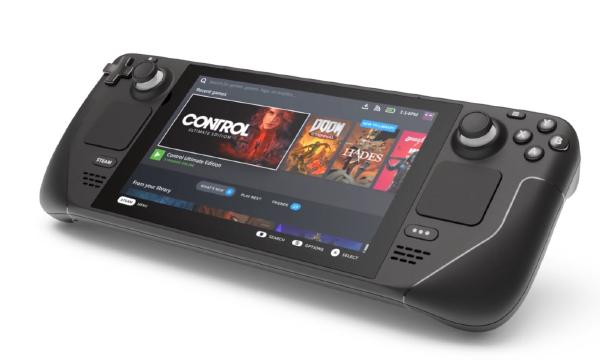
The Steam Deck, Valve’s ambitious handheld gaming PC, has faced a significant shift in its market position following recent price increases. As first reported by IGN, the cost of a new 512GB OLED Steam Deck now sits at $789, while the 1TB variant is priced at $949. These hikes push the device into a challenging competitive landscape, where affordability was once a key selling point.
Initially launched in 2022, the Steam Deck gained a loyal following due to its capability to play a vast range of PC games on-the-go, coupled with a price point that appealed to budget-conscious gamers. However, those advantages are rapidly being undermined by escalating prices and a scarcity of refurbished models. Currently, the lowest price for a refurbished 64GB LCD Steam Deck from Valve is around $279, but many potential buyers find that unit out of stock. The used market isn’t much better, with listings on platforms like eBay typically ranging from $450 to $500, accompanied by no guarantees of the device’s condition.
The price increases are largely attributed to a broader RAM crisis affecting the tech industry, driven by the rising demand for AI data centers. This trend has led to a significant uptick in hardware costs, impacting not just the Steam Deck but various other gaming devices, including the PlayStation 5 and Steam Machine.
In contrast, Asus has managed to keep its pricing for the Xbox Ally series relatively stable. The base model of the Xbox Ally is available for $599 at retailers like Best Buy, while the more powerful Xbox Ally X comes in at $999. The latter offers superior performance compared to the Steam Deck, positioning it as a strong alternative for gamers looking for handheld solutions.
While the Steam Deck once held a unique position in the market, the introduction of the Xbox Ally has added pressure. Recently, I had the chance to test the standard Xbox Ally, and while it doesn’t match the top-tier specifications of its sibling, the performance is comparable to that of the Steam Deck in several benchmarks, including Time Spy. This suggests that the Xbox Ally can hold its own against Valve’s offering, making it an appealing choice for those hesitant to invest in an increasingly expensive Steam Deck.
Given the current landscape, the Steam Deck’s appeal has diminished significantly. It is becoming increasingly difficult to recommend it as a viable option, especially to those new to handheld gaming. As the competition heats up and prices fluctuate, potential buyers are left weighing the value of the Steam Deck against alternatives like the Xbox Ally, which offers a more stable price point and competitive performance.
Valve’s Steam Deck was a trailblazer in the handheld gaming space, merging the convenience of portable gaming with the vast library of PC titles. However, as new contenders emerge and pricing dynamics shift, its once-prominent status is in jeopardy. Gamers now find themselves with a range of choices, and the Steam Deck’s charm is waning in light of rising costs and compelling alternatives.
Image credit: IGN
This article was generated with AI assistance and reviewed for accuracy.