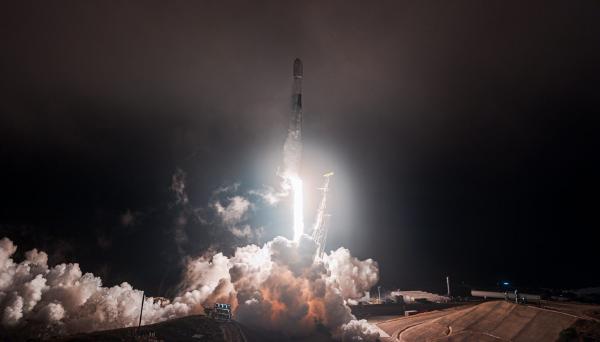
SpaceX is gearing up to make significant moves in the telecommunications sector as it eyes a substantial share of the C-band spectrum. The Federal Communications Commission (FCC) has put 160 MHz of this sought-after spectrum on the auction block, presenting SpaceX with an opportunity to bolster its ambitions for direct-to-device (D2D) satellite connectivity. As first reported by Wccftech, this development could ignite fierce competition among major carriers like AT&T, Verizon, and T-Mobile.
The C-band spectrum is crucial for mobile communications, particularly for 5G services, as it offers a balance of coverage and speed. With the FCC’s auction set to attract potential bidders, SpaceX’s entry into this arena could disrupt the existing dynamics of the mobile market. The satellite company has previously attempted to forge partnerships with established carriers to facilitate its D2D service model, but these efforts have not materialized. Now, the prospect of acquiring its own spectrum could enable SpaceX to bypass traditional mobile networks and directly connect devices to its satellite infrastructure.
For SpaceX, the stakes are high. The company has long harbored ambitions to extend its satellite network capabilities beyond internet services and into mobile telecommunications. With the ability to provide D2D services, SpaceX could offer seamless connectivity, especially in areas where traditional networks struggle. This could include rural or remote regions where infrastructure is lacking, potentially filling a significant gap in the mobile connectivity landscape.
The auction for the C-band spectrum is expected to attract intense bidding, particularly from established carriers who may be concerned about the implications of SpaceX’s entry. If successful, SpaceX could drive up costs for its competitors, forcing them to adapt their strategies to maintain market share. The potential for a bidding war could be beneficial for the FCC, as it would generate higher revenues from the auction and promote competition within the industry.
While SpaceX’s ambitions in mobile telecommunications are clear, the company’s prior attempts to negotiate with major carriers reveal the challenges it faces. The telecommunications landscape is dominated by a few key players, making entry into the market difficult without existing partnerships. By acquiring its own spectrum, SpaceX could mitigate some of this dependency and establish itself as a viable competitor.
The broader implications of this auction extend beyond just SpaceX. Should the company succeed in securing a significant portion of the C-band spectrum, it could reshape how mobile services are delivered. With its innovative approach to satellite technology, SpaceX may be able to offer a different kind of mobile service that leverages its existing infrastructure while simultaneously challenging the status quo.
The timing of this auction is also noteworthy. As the demand for faster and more reliable mobile connectivity continues to rise, especially with the rollout of 5G, the potential for new players to enter the market is critical. SpaceX’s participation could signal a shift towards more diverse offerings in the mobile space, encouraging innovation and competition among carriers.
SpaceX, founded by Elon Musk, is primarily known for its advancements in space technology and satellite internet services through its Starlink project. With its eye now on the telecommunications sector, the company is positioning itself to potentially redefine how mobile connectivity is experienced by consumers. As the auction approaches, all eyes will be on the bids placed and what this could mean for the future of mobile services in the United States.
Image credit: Wccftech
This article was generated with AI assistance and reviewed for accuracy.