In a surprising turn of events, simulation games that center around the simple yet oddly satisfying task of sorting mundane objects have emerged as a new focal point of interest within the PC gaming landscape. These titles, characterized by their emphasis on organization, efficiency, and sometimes even relaxation, are finding a growing audience among players looking for engaging yet low-stress experiences.
As first reported by PC Gamer, this trend highlights a shift in gaming preferences, particularly among those seeking a break from the high-octane action or intricate narratives that typically dominate the industry. Players are increasingly drawn to the calming mechanics of sorting games that allow them to engage in repetitive tasks that can be both therapeutic and rewarding.
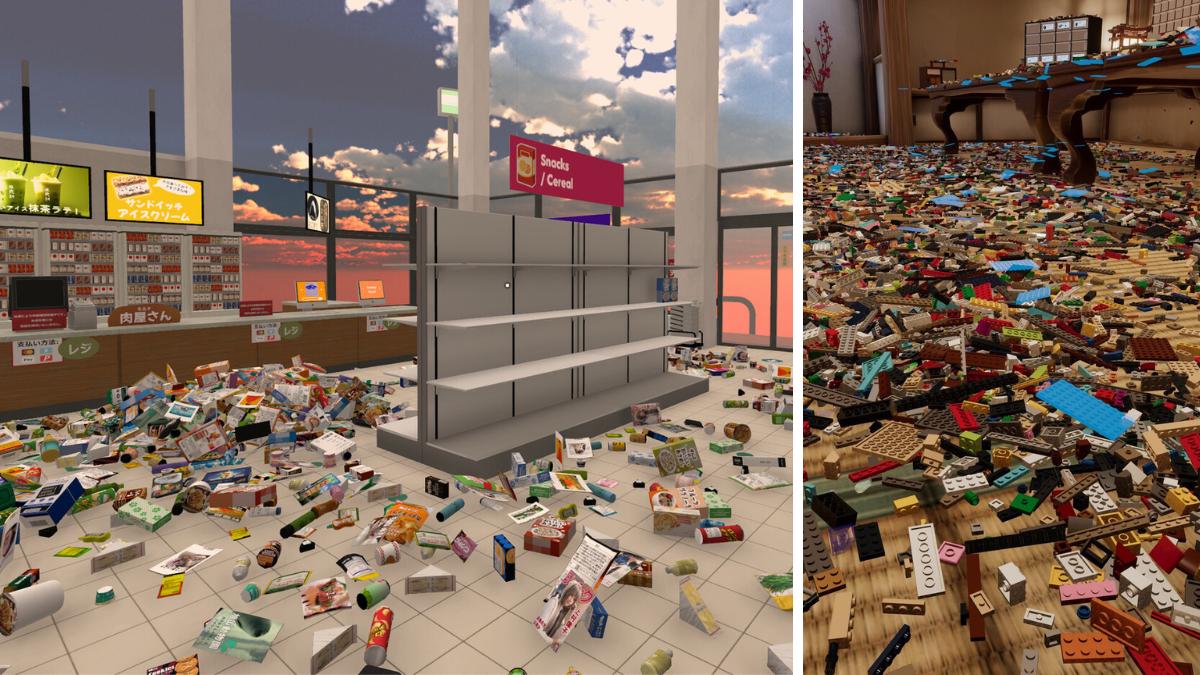
Recent releases have showcased this phenomenon. Titles such as “Unpacking,” where players meticulously place belongings in a new home, and “Shelf Life,” which tasks players with organizing a virtual shop, have captivated audiences. These games often feature minimalist graphics and soothing soundtracks, further enhancing their appeal. They create environments where players can unwind while checking off goals and completing levels.
The success of these games is not merely anecdotal. According to Steam statistics, titles in this genre have seen significant upticks in both active players and sales figures. Developers are keenly aware of this trend and are capitalizing on it by designing additional content and sequels aimed at expanding the player base. Even indie developers are stepping into the scene, aiming to create unique takes on the sorting mechanic that resonate with players looking for new experiences.
Critics of these games often question their depth and replayability, suggesting that they may lack the complexity found in traditional gaming experiences. However, the appeal of these titles lies in their simplicity and accessibility. Many players view sorting games as a low-pressure environment to unwind rather than a competitive battleground. This has opened doors for individuals who may not typically consider themselves gamers, inviting a broader audience into the fold.
Moreover, the development community has recognized this shift in player behavior. Game designers are now exploring how they can incorporate elements of sorting and organization into more complex titles, blurring the lines between genres. As a result, we may witness the evolution of hybrid games that combine the satisfying mechanics of sorting with more traditional gameplay elements.
While the current trend shows no signs of slowing, it raises questions about the future landscape of PC gaming. Will this focus on simplicity and organization lead to a new genre, or will it fade as players seek more complex experiences? Regardless, the rise of sorting simulation games serves as a reminder that gaming can be about more than just action and competition. It can also be an avenue for relaxation and creativity.
, the surge in popularity of sorting simulation games on platforms like Steam reflects a noteworthy change in player preferences. As the gaming industry evolves, it will be interesting to see how developers adapt to these trends and what new experiences emerge from this growing interest in organization and efficiency.
Founded in 2015, the indie studio “Smaller Games” is credited with pioneering the sorting game genre, with titles like “Unpacking” highlighting the potential of this niche. The studio’s innovative approach has inspired numerous developers to explore similar gameplay mechanics, leading to an expanding catalog of sorting-themed titles on PC.
Image credit: PC Gamer
This article was generated with AI assistance and reviewed for accuracy.