As mobile gaming continues to thrive, smartphone chipsets push the boundaries of performance to new levels. Many devices now run AAA titles with impressive visual fidelity, but this surge in capability comes with a significant downside. Recent testing has highlighted that smartphone manufacturers are running into critical limitations when it comes to cooling their powerful chips. As first reported by Wccftech, the effectiveness of current thermal management solutions, particularly vapor chambers, is waning.
Historically, each new generation of mobile processors has touted higher performance benchmarks and lower power consumption. However, as these chipsets become more advanced, they also generate more heat, raising concerns about their thermal efficiency. While consumers marvel at the high frame rates and detailed graphics, the underlying issue of heat dissipation is beginning to attract attention.
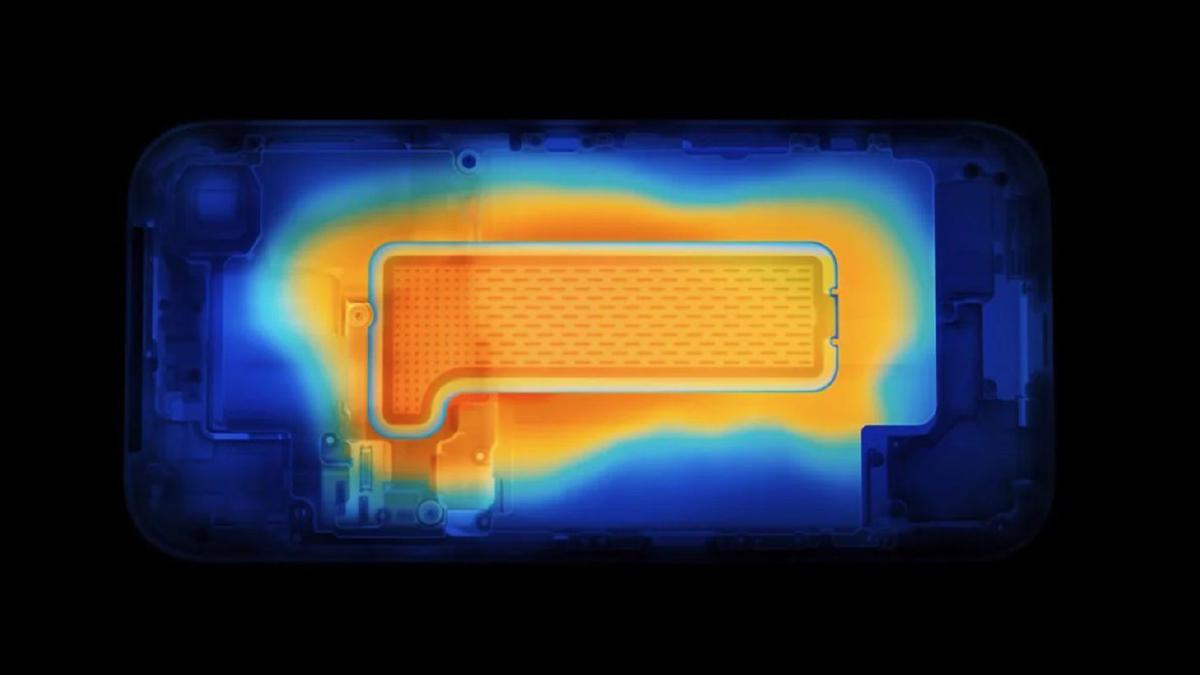
The latest tests indicate that the rate at which heat can be transferred from these mobile processors is diminishing. Vapor chambers, which have been the go-to solution for many manufacturers, are showing signs of struggle. Designed to efficiently manage heat by utilizing the phase change of liquid to gas, these systems are finding it increasingly challenging to keep up with the demands of powerful chips.
This situation presents a dual challenge for smartphone makers: they must balance the growing performance expectations of users with the need for adequate heat dissipation. If the cooling solutions continue to fall short, devices could experience throttling, which slows performance to prevent damage, leading to a frustrating user experience, especially during long gaming sessions or intensive tasks.
Analysts suggest that, unless innovative breakthroughs occur in thermal management technologies, consumers might soon face a scenario where they have to choose between performance and usability. With new chip generations being launched at an ever-increasing pace, the pressure is mounting on manufacturers to find effective ways to mitigate heat issues.
As the market for mobile gaming continues to expand, the implications of these findings could be significant. Players expect not only high performance but also reliability during extended gameplay. If smartphone companies cannot address the thermal limitations, the user experience may diminish, ultimately affecting their standing in a highly competitive market.
Developers are also faced with the challenge of optimizing their games to run efficiently on smartphones. As chipsets become more powerful, they can handle more demanding applications. However, if the underlying hardware cannot maintain performance due to heat constraints, it could lead to a cycle where developers are forced to scale back their ambitions for mobile titles.
As the industry looks for solutions, potential alternatives could emerge, including improved materials for heat dissipation or entirely new cooling technologies. Innovations in passive cooling solutions, active cooling systems, or even liquid cooling techniques utilized in PCs could be explored for smartphones.
In summary, while the capabilities of smartphone chipsets grow, the challenges of managing their heat output are becoming clearer. The future of mobile gaming could hinge on solving these technical hurdles, ensuring that users can enjoy high-performance gaming without the risk of overheating.
Smartphones have become essential tools for gaming, with studios like Tencent and Niantic leading the charge in mobile game development. However, as chip manufacturers like Qualcomm and Apple innovate at a rapid pace, the need for effective thermal management has never been more critical.
Image credit: Wccftech
This article was generated with AI assistance and reviewed for accuracy.