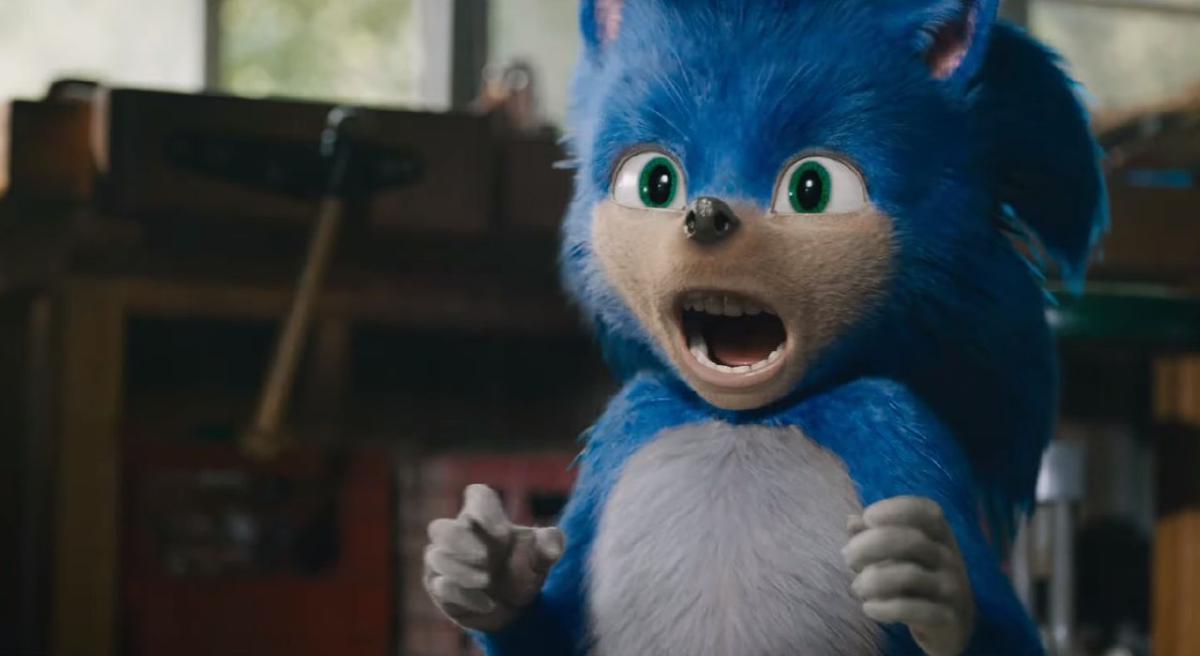
Sega has officially canceled its ambitious “Super Game” project, a move that signals a significant shift in the company’s strategy away from the volatile realm of live service games. As first reported by PC Gamer, this decision comes amid growing competition and disappointing results from its recent free-to-play titles, particularly Sonic Rumble Party.
Originally announced in 2021, the Super Game was envisioned as a revolutionary title that would “stand head and shoulders above normal games.” Sega had set an ambitious timeline, targeting a release by March 2026. However, the company has now decided to lower its focus on free-to-play models, transferring around 100 developers back to crafting traditional paid games, a shift that some industry observers are hailing as a return to form for Sega.
The catalyst for this pivot appears to be a combination of market dynamics and internal performance metrics. Sega pointed to poor reception and sales from Sonic Rumble Party as a key factor, but it is clear that this single title had broader implications. The last few years have been marked by a series of failures in the live service space, with several high-profile projects either shuttered or sent back to the drawing board. Notable casualties include Concord and its studio, which closed down, as well as Ubisoft’s Project Q, which also met an untimely cancellation.
The industry’s landscape has become increasingly crowded, making it difficult for new entries to capture player attention. Games like World of Warcraft, League of Legends, and Minecraft have established deep roots in the gaming culture, making competition for players particularly fierce. According to a 2025 “state of the industry” survey, a staggering one in three triple-A developers were working on live service titles, which could lead to oversaturation in the market.
This recent trend has raised eyebrows, as many developers have started reassessing the longevity and viability of investing heavily in live service games. The wave of cancellations this year alone has been overwhelming, with even major players like Microsoft pulling the plug on their promising titles. Phil Spencer, head of Xbox, had a highly praised Blizzard MMO in his sights, but that too became a casualty of the changing tides.
Sega’s decision to cancel the Super Game is being interpreted as a course correction within the industry, suggesting that the focus may once again shift toward delivering complete and standalone gaming experiences. Fans of traditional gaming may welcome this news as an opportunity for the company to leverage its rich history and beloved franchises in more classic formats.
As Sega realigns its priorities, there is hope that this pivot will not only benefit the company but also create space for smaller developers to flourish without the pressure of competing against entrenched live service giants. The future remains uncertain, but the emphasis on full game development could lead to a renaissance of innovation and creativity in gaming.
Sega is a legendary name in the gaming industry, known for its iconic franchises like Sonic the Hedgehog and Yakuza. As the company moves forward, it will be interesting to see how it balances nostalgia with the demand for modern gaming experiences, especially in a rapidly evolving market. The potential return to traditional game development may just be what players are craving, and it could open up new avenues for indie and smaller developers to shine.
Image credit: PC Gamer
This article was generated with AI assistance and reviewed for accuracy.