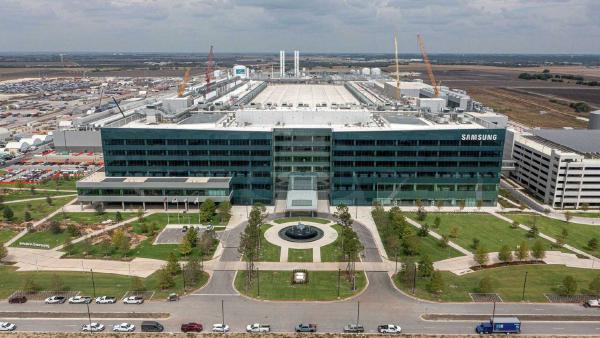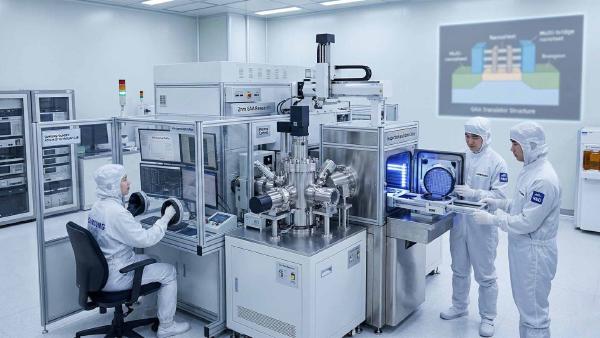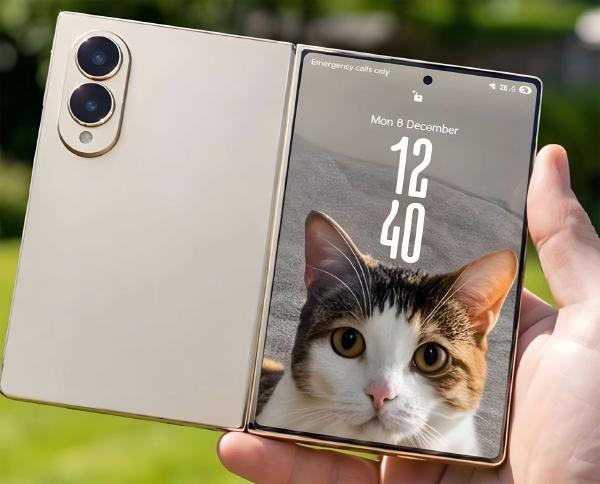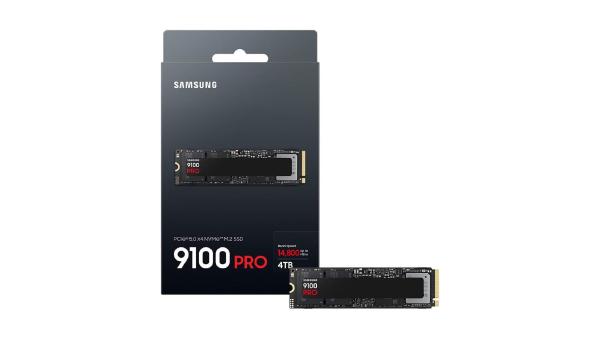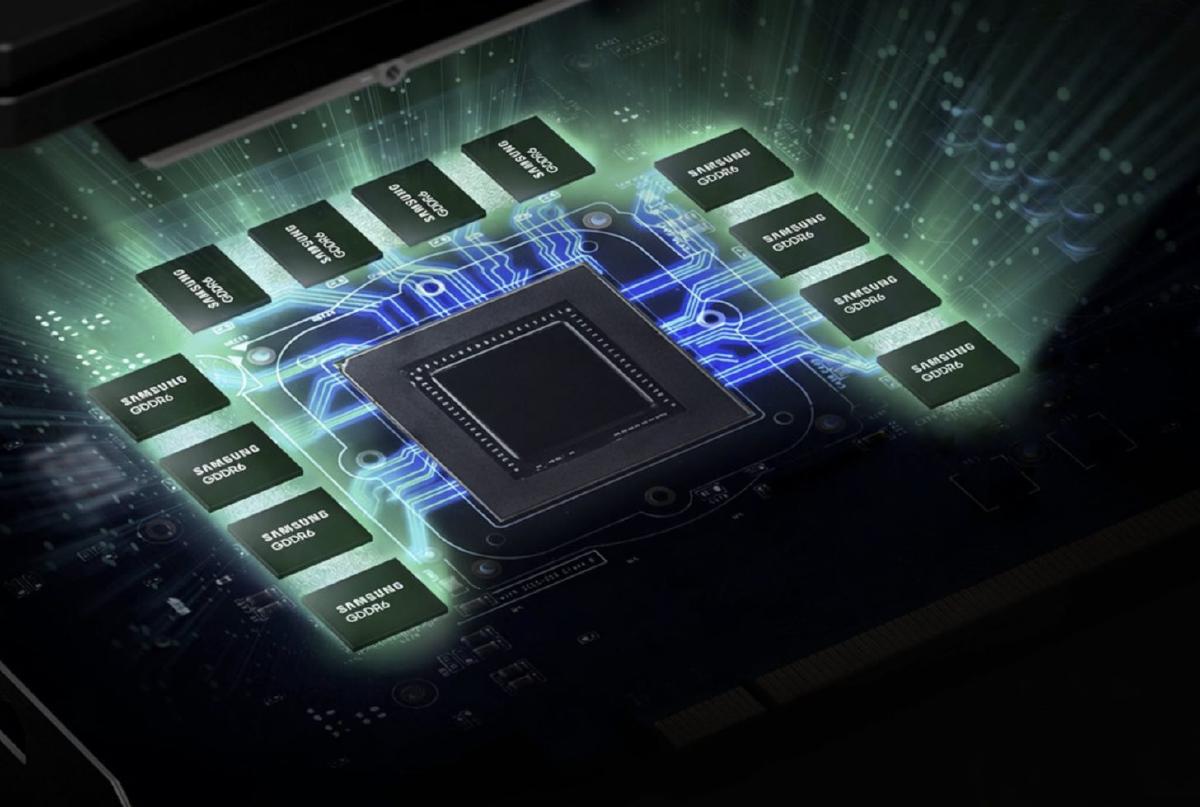
Samsung’s mobile division is facing a significant profitability crisis, as reports indicate that it may only generate around 1 percent of the anticipated profits of its semiconductor division in the second quarter of this year. This stark contrast between the two sectors underscores a troubling imbalance within the company, revealing the challenges that Samsung’s mobile segment is currently grappling with.
According to insights shared by tipster Ice Universe, Samsung’s mobile arm is set to report a negligible quarterly profit for Q2, highlighting a growing concern about its viability in the competitive smartphone market. Meanwhile, the semiconductor division,known for its advanced chip manufacturing,continues to flourish, marking a stark divergence in the company’s performance metrics.
The semiconductor sector has thrived in recent years, benefiting from a global demand surge for chips used in various applications, including artificial intelligence, 5G technology, and consumer electronics. This ongoing boom has positioned Samsung as a leader in the semiconductor industry, enabling it to capitalize on market opportunities and maintain strong revenue streams.
Conversely, the mobile division appears to be caught in a downward spiral. Increased competition from rivals like Apple and emerging brands has put pressure on Samsung’s market share. The smartphone market is saturated, and changing consumer preferences have further complicated Samsung’s efforts to differentiate its offerings. As a result, the mobile division’s profitability remains under severe strain, leading to projections that its quarterly earnings will be drastically overshadowed by those of its semiconductor counterpart.
This disparity in performance raises questions about the strategic direction of Samsung’s mobile division. With the company struggling to keep pace in a fast-evolving landscape, there are concerns that without significant changes, the division may continue to lag behind its more lucrative counterparts.
The implications of this disparity extend beyond financial metrics. A prolonged underperformance in the mobile sector could hinder Samsung’s ability to invest in research and development, potentially stifling innovation. The company may need to rethink its strategy, focusing on revitalizing its product lineup, enhancing marketing efforts, or exploring new market segments to regain a competitive edge.
As reported by Wccftech, this situation also sheds light on the broader trends within the technology industry, where companies are increasingly relying on specific sectors to drive overall profitability. For Samsung, the success of its semiconductor division may be critical in supporting the mobile division, especially as consumer demand shifts and new technologies emerge.
In summary, the stark contrast in profitability between Samsung’s mobile and semiconductor divisions signals a need for urgent strategic reassessment. As competition intensifies and market dynamics shift, Samsung’s leadership must work to address the challenges facing its mobile division to ensure it can contribute more effectively to the wider corporate health.
Samsung Electronics, headquartered in Suwon, South Korea, is a leading global technology company known for its range of consumer electronics, semiconductors, and telecommunications equipment. The company has played a pivotal role in shaping the smartphone market, although it has faced significant challenges amid fierce competition and changing consumer behaviors.
Image credit: Wccftech
This article was generated with AI assistance and reviewed for accuracy.