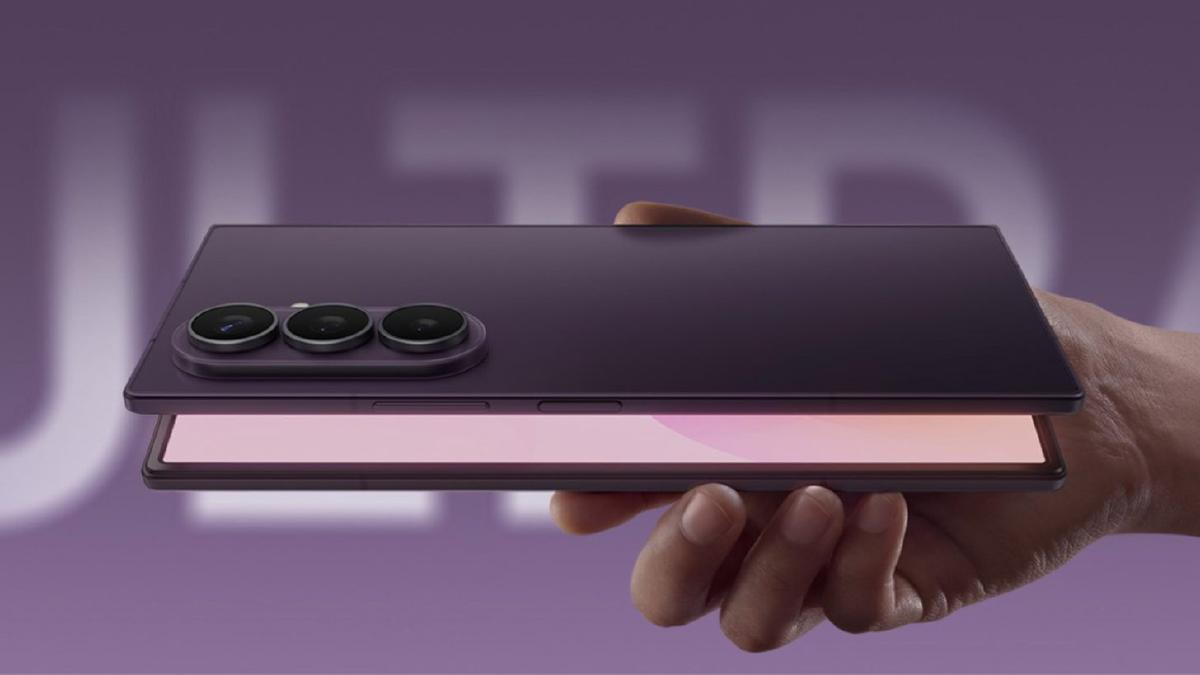
Samsung has unveiled the Galaxy Z Fold 8 Ultra, boasting a remarkable thickness of just 4.1mm when fully unfolded. This ultra-slim design, which is 27 percent thinner than the iPhone Air, comes at a hefty price of $2,099.99 for the base model in the United States. However, this impressive feat of engineering has come with significant trade-offs, particularly in the device’s cooling capabilities. As first reported by Wccftech, the company opted for a less effective method to manage heat, raising concerns among potential buyers about performance and longevity.
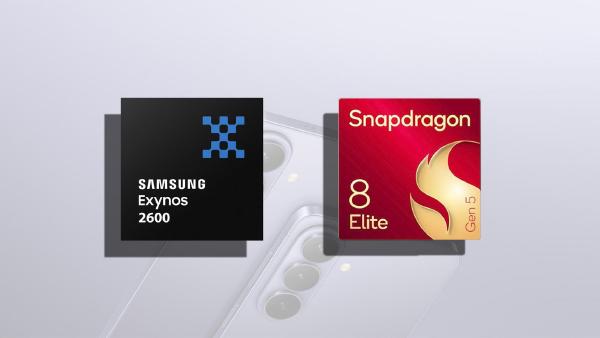
In the quest for a sleeker profile, Samsung has decided to forgo the vapor chamber typically used in high-performance devices. Instead, the Galaxy Z Fold 8 Ultra relies on a basic graphite sheet to handle the thermal output from the Snapdragon 8 Elite Gen 5 processor. While the Snapdragon chip is known for its power and efficiency, the lack of advanced cooling solutions could lead to overheating issues during extended usage.
The decision to prioritize design over performance has sparked a debate among tech enthusiasts. Some believe that the allure of a thinner device may not justify the potential risks associated with compromised cooling. Early adopters and critics alike are left pondering whether Samsung’s ambition for a more elegant form factor will impede the device’s overall usability.
In an environment where consumers are increasingly conscious of the balance between aesthetics and functionality, the Galaxy Z Fold 8 Ultra’s launch presents a unique case. Users who invest in such a premium device expect not only cutting-edge features but also reliability in performance. The reliance on a graphite sheet for thermal management raises alarms about potential throttling or performance dips, especially during demanding tasks like gaming or heavy multitasking.
While Samsung is known for pushing the boundaries of smartphone technology, this latest offering may attract more scrutiny than previous models. There are concerns that the compromises made in cooling efficiency will overshadow the impressive advancements in foldable technology. As the market for foldable devices grows, Samsung’s choices may set a precedent that influences future designs from both its competitors and the company itself.
With a price tag that matches its premium features, the Galaxy Z Fold 8 Ultra is undoubtedly targeted at a niche audience that values form as much as function. As users begin to experience the device firsthand, feedback will likely shape perceptions about whether the trade-offs were worth it. In an industry where innovation often walks a fine line, Samsung’s latest effort could redefine expectations or serve as a cautionary tale for future developments.
For those unfamiliar, Samsung has been a pioneer in the foldable phone market since it introduced the first Galaxy Fold in 2019. The company has continually refined its technology, aiming to combine cutting-edge features with stylish designs. As the tech giant navigates the thin line between innovation and usability, the Galaxy Z Fold 8 Ultra will undoubtedly be a focal point in discussions about the future of foldable devices.
Image credit: Wccftech
This article was generated with AI assistance and reviewed for accuracy.