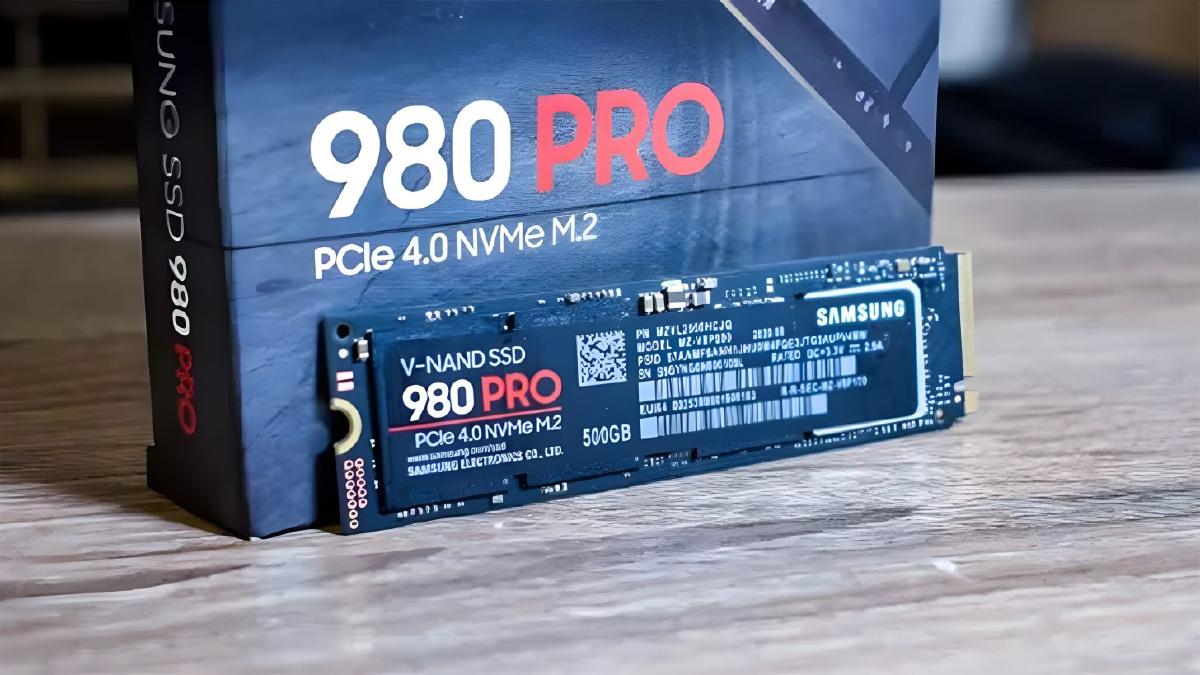
Samsung is making strides toward the open-source RISC-V architecture, marking a significant shift in its approach to hardware design. As first reported by Wccftech, the tech giant is developing a custom SSD controller chip that will be featured in its upcoming BM9K1 SSD lineup, which is designed entirely in-house. This effort signals Samsung’s intent to diversify its technology portfolio beyond the traditionally dominant ARM architecture.
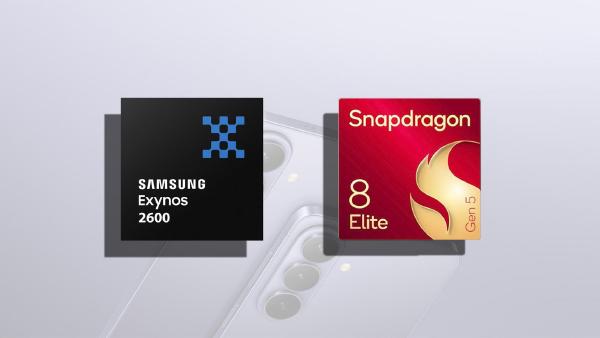
Currently, Samsung’s Exynos 2600 chips, known for their performance and efficiency, utilize ARMv9.3 CPU cores, showcasing the company’s long-standing reliance on ARM’s intellectual property (IP). However, the move toward RISC-V represents a growing trend among tech companies that are seeking more flexibility and control over their hardware designs. RISC-V is an open-source instruction set architecture that allows companies to customize their chips without the licensing fees typically associated with proprietary architectures like ARM.
The introduction of the BM9K1 SSD lineup will not only showcase Samsung’s engineering capabilities but will also highlight the potential benefits of RISC-V, such as improved performance and lower power consumption. Details regarding the specifications of the SSDs remain sparse, but the custom controller chip could enable more efficient data transfer rates and better overall system performance.
This development comes at a time when many companies are reevaluating their reliance on ARM, particularly in light of recent geopolitical tensions and supply chain uncertainties. By investing in RISC-V, Samsung may be positioning itself to mitigate risks associated with ARM’s licensing model and the potential for price increases.
The implications of Samsung’s move go beyond just SSDs. As the semiconductor industry continues to evolve, the adoption of open-source architectures like RISC-V could pave the way for innovation in various fields, including gaming PCs and consoles. With companies increasingly recognizing the advantages of customization and flexibility, the future of hardware design may see more entities exploring alternatives to established ecosystems.
RISC-V’s open nature fosters collaboration among developers and researchers, enabling rapid advancements in technology. Samsung’s decision to develop a custom SSD controller chip signals its commitment to being at the forefront of this evolution, possibly influencing other major players in the tech industry to follow suit.
The upcoming BM9K1 SSDs will likely play a crucial role in Samsung’s broader strategy, especially as the demand for high-performance storage solutions continues to grow in gaming and data-intensive applications. While specifics about the SSD’s launch date and performance metrics are yet to be revealed, the move toward RISC-V establishes a new chapter in Samsung’s hardware development journey.
In summary, by embracing RISC-V for its SSD controller chip, Samsung is not only diversifying its technology offerings but also potentially reshaping the competitive landscape in the semiconductor industry. As the market waits for further details on the BM9K1 SSDs, one thing is clear: Samsung is preparing to carve out a new path in hardware design, leveraging the flexibility and performance advantages that RISC-V architecture promises.
Samsung, a leading South Korean multinational, has established itself as a powerhouse in technology, manufacturing everything from smartphones to semiconductors. With its Exynos line of processors at the core of many mobile devices, the company’s shift towards RISC-V could indicate a significant transformation in how it approaches hardware development in the future.
Image credit: Wccftech
This article was generated with AI assistance and reviewed for accuracy.