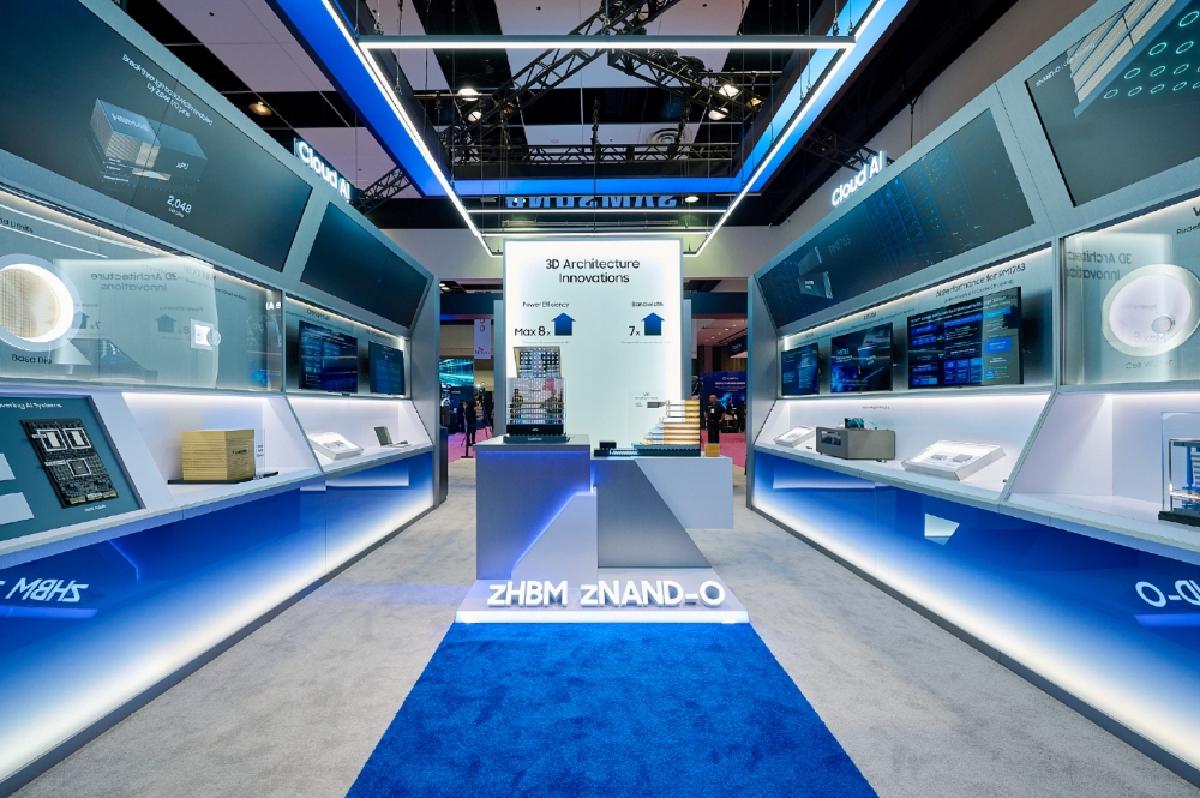
At the recently held FMS 2026, Samsung unveiled groundbreaking memory and storage technologies poised to enhance the future of artificial intelligence and computing. Among the key highlights were the V10 BV-NAND, zHBM, and zNAND-O, which promise to address the escalating demands of AI-driven applications. As first reported by Wccftech, these innovations represent a significant leap in memory architecture.
Samsung’s V10 BV-NAND technology boasts over 400 layers of hybrid bonding, a feat that aims to elevate storage performance significantly. This innovative approach allows for denser and more efficient storage solutions, addressing the limitations of current memory technologies that have started to show their age. The company’s commitment to enhancing data processing capabilities is evident in this development, which seeks to prepare tech infrastructures for the next generation of AI applications.
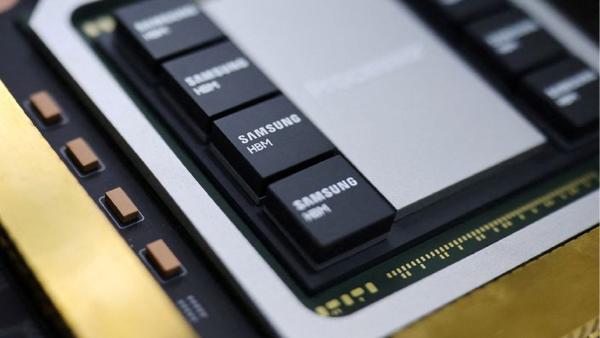
Another noteworthy technology displayed was the zHBM, which stands for “stacked high bandwidth memory.” This tech is aimed at integrating massive vertical HBM stacks directly on top of AI chips, a configuration that could provide unprecedented data transfer speeds and efficiencies. Samsung recognizes that as AI and computing needs surge, traditional memory solutions may not keep pace, necessitating bold new concepts like zHBM.
The company’s presentation at FMS 2026 suggested that these technologies, while still in the concept phase, could play a vital role in shaping the future of AI infrastructure. By investing in transformative memory solutions, Samsung is positioning itself as a leader in the rapidly evolving landscape of technology that supports artificial intelligence.
As AI applications continue to permeate various sectors, from healthcare to finance, the requirement for more sophisticated memory and storage solutions intensifies. Samsung’s latest developments indicate a proactive approach to meeting these demands, assuring that they remain at the forefront of the industry.
While it is still early days for these technologies, their potential impact cannot be overstated. If realized, they could redefine how data is managed and processed, laying the groundwork for more advanced AI functionalities. Samsung’s strides in memory innovation reflect a commitment to ensuring that future AI endeavors are supported by robust technological frameworks.
In the broader context of memory and storage advancements, Samsung’s unveiling at FMS 2026 highlights the company’s strategy to spearhead innovations that address the challenges faced by current technologies. With industry dynamics constantly shifting and evolving, the need for more powerful memory solutions has never been more pressing.
As we look to the future, Samsung’s initiatives could pave the way for significant advancements in AI and computing, reinforcing their position as a key player in the tech landscape. The commitment to exploring and developing cutting-edge technologies like V10 BV-NAND and zHBM shows that Samsung is prepared to meet the challenges head-on, heralding a new era of performance-driven memory solutions.
Image credit: Wccftech
This article was generated with AI assistance and reviewed for accuracy.