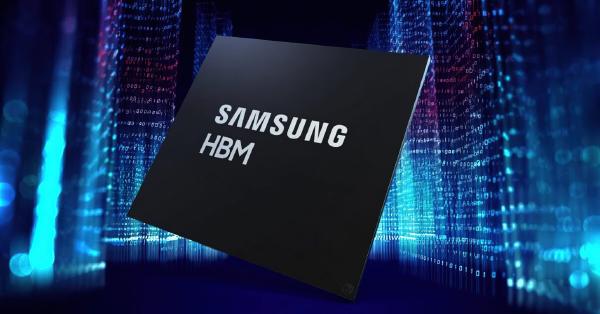
A looming strike at Samsung Electronics has raised significant concerns in the semiconductor sector, particularly regarding the supply of DRAM (Dynamic Random Access Memory). As first reported by Wccftech, unionized workers are demanding a substantial bonus tied to the company’s annual operating profit, creating a situation that could disrupt global memory markets.
Samsung’s management has shown reluctance to meet the demands of its workforce, which include a request for 15 percent of the company’s annual operating profit. With estimates putting that figure at around $30 billion, the stakes are high for both the employees and the company. If the strike escalates, industry analysts fear that the initial 18-day walkout could extend to a 36-day production halt, exacerbating an already critical shortage of DRAM in the marketplace.
The ramifications of such a strike extend far beyond Samsung’s operations. The company is the world’s largest memory chip producer, and any significant disruption in its manufacturing capabilities could lead to a ripple effect throughout the tech industry. As DRAM is a crucial component in various devices, including smartphones, PCs, and gaming consoles, a prolonged strike could drive up prices and create supply chain issues for manufacturers relying on these chips.
Given the current state of the semiconductor industry, which has been struggling with supply chain constraints since the pandemic, the potential for an extended strike at Samsung is particularly concerning. Industry insiders worry that the implications of a production blackout could last well beyond the strike’s resolution, with recovery times potentially doubling the duration of the initial labor unrest.
Companies that depend on DRAM, such as those in the PC and gaming sectors, are closely monitoring the situation. With many consoles and high-performance gaming PCs utilizing these memory chips, a substantial reduction in availability could lead to increased costs for consumers and delays in product launches.
The urgency surrounding this situation has led to calls for negotiations between Samsung’s management and its employees. Union representatives have been vocal about the need for better profit-sharing arrangements, while the company’s leadership has thus far maintained its position. As negotiations continue, the clock is ticking, and the risk of a full-blown production shutdown looms.
In the larger context, Samsung has faced challenges before, but its ability to navigate labor disputes while maintaining production levels is crucial. The company has made significant investments in expansion and technology, but those gains could be undermined if workers’ demands go unresolved. As the semiconductor market grapples with its existing challenges, the outcome of this labor dispute could set a significant precedent for how tech giants manage their workforce in an increasingly competitive environment.
In summary, the potential strike at Samsung not only threatens the company’s financial stability but could also have far-reaching implications for the global semiconductor market. As the industry braces for the possible fallout, all eyes will be on the negotiations taking place in the coming weeks.
Image credit: Wccftech
This article was generated with AI assistance and reviewed for accuracy.