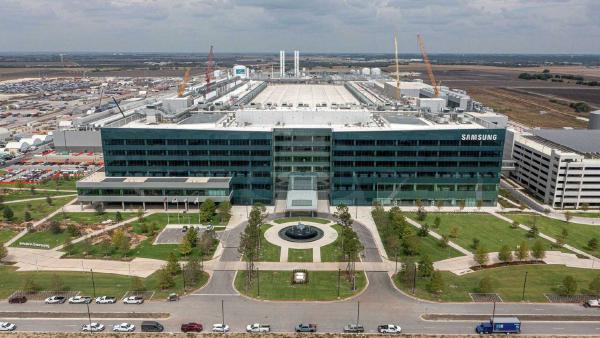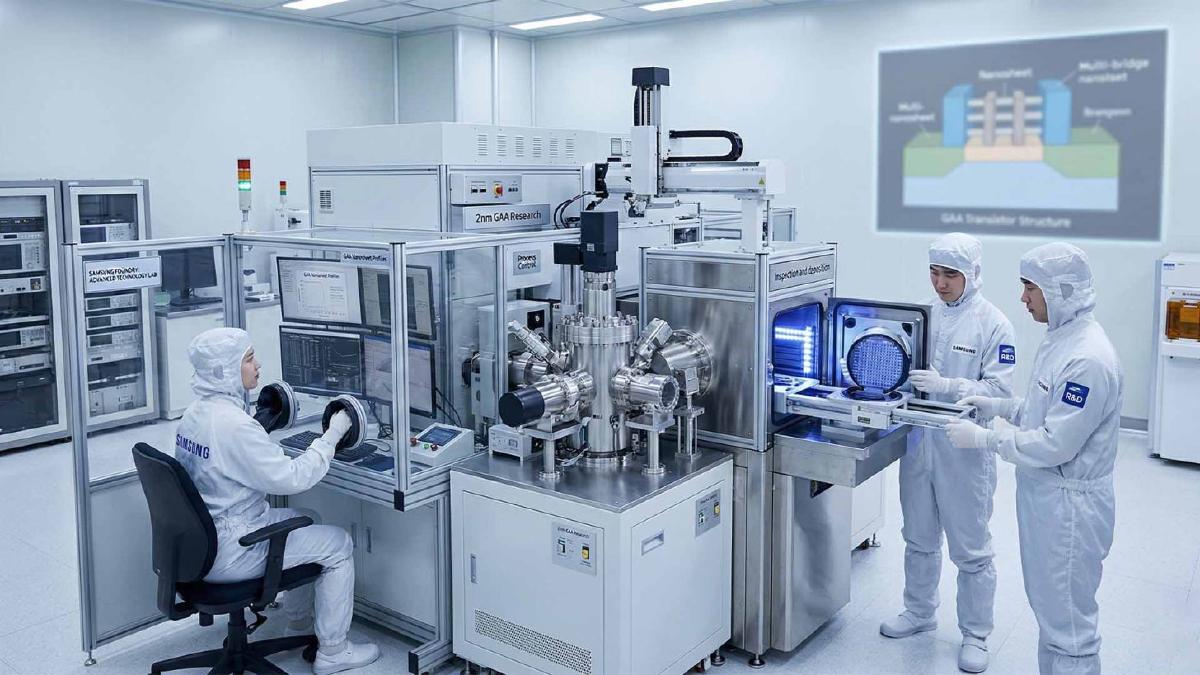
In a significant shift in its operational strategy, Samsung is gearing up to fully automate its semiconductor fabrication plants by 2030. This move comes on the heels of recent labor disputes with its semiconductor workers, who secured substantial bonuses. However, as first reported by Wccftech, this victory may come at a cost, as Samsung is now focusing on reducing its reliance on unionized labor through increased automation.
Central to this transformation is Samsung’s newly introduced Data Sharing Eco Platform (DSEP). This innovative protocol aims to facilitate real-time sharing of semiconductor manufacturing data with select industry partners. The data gathered will feed into an AI-driven operating system designed to streamline operations and enhance efficiency throughout the manufacturing process.
The company’s ambitious goals for automation signal a strategic pivot. By leveraging advanced technology, Samsung hopes to create a manufacturing environment that operates with minimal human intervention. This shift could potentially reduce the leverage that labor unions currently hold over the company, positioning Samsung to better manage labor costs and efficiency challenges in an increasingly competitive market.
As the semiconductor industry grapples with rising costs and labor shortages, Samsung’s move to embrace automation is seen as both a response to immediate pressures and a long-term strategy to secure its leadership in the sector. The firm’s efforts to implement DSEP not only illustrate a commitment to technological advancement but also reflect the ongoing transformation within the tech landscape, as companies seek to adapt to new economic realities.
The implications of this shift could be profound, not only for Samsung’s workforce but also for the broader semiconductor market. With advancements in AI and data-sharing technologies, the potential for fully automated fabs may lead to a rethinking of labor needs in the sector. While the technology promises efficiency, it raises questions about job security for workers in an industry that has already seen significant upheaval.
Samsung’s aggressive timeline highlights the urgency felt by many companies to innovate in order to maintain their competitive edge. As automation becomes more prevalent, workers may find themselves needing to adapt to new roles that focus more on technology management rather than traditional manufacturing tasks.
In the face of these changes, the response from labor unions and workers will be crucial. The push for automation could ignite further discussions about workers’ rights and protections, especially in an industry where labor has historically played a significant role in shaping practices.
With Samsung setting the stage for a new era in semiconductor manufacturing, the balance between technological advancement and labor relations will be closely watched. The outcomes of these developments could shape the future of manufacturing not just for Samsung but for the entire tech industry.
Samsung is one of the largest semiconductor manufacturers in the world, known for its pioneering technology and contributions to the electronics sector. The company has been at the forefront of innovation, continually adapting to the changing landscape of the tech industry.
Image credit: Wccftech
This article was generated with AI assistance and reviewed for accuracy.