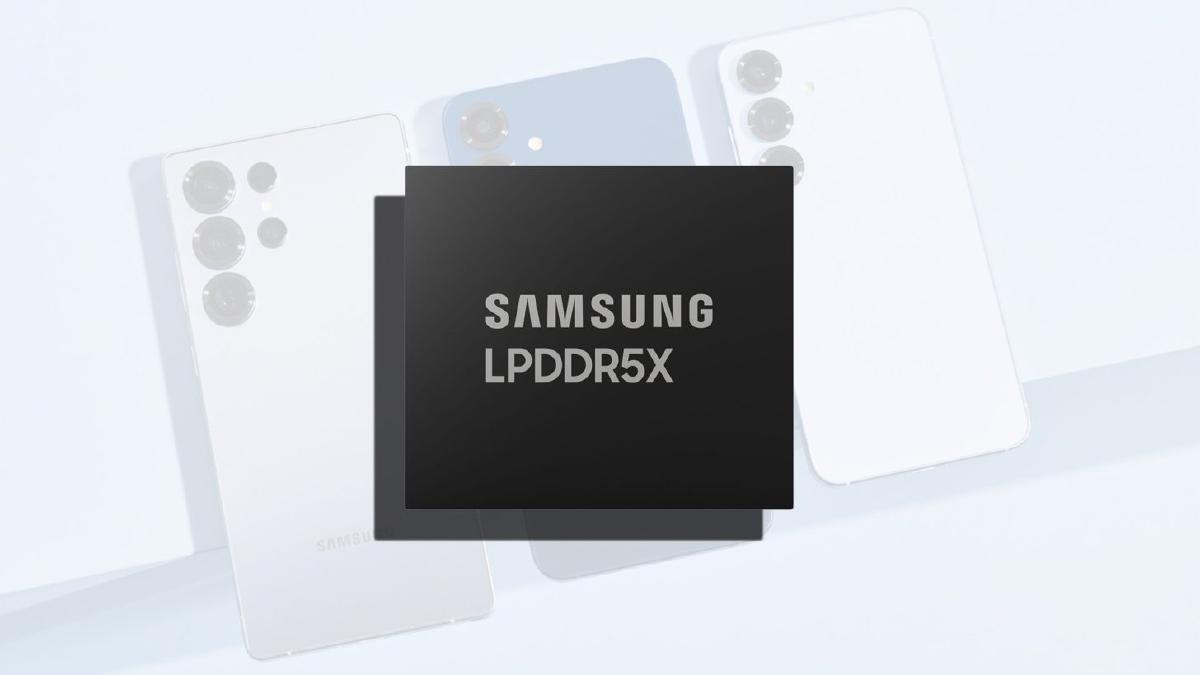
In a surprising move, Samsung has announced a significant price increase for its DRAM memory products, raising prices by an average of 30 percent for the second quarter of 2026. This decision comes in the wake of a tumultuous period in the memory market, as first reported by Wccftech.
The DRAM sector has seen considerable fluctuations recently, with discussions around potential crashes and stock impacts dominating the conversation. However, major players like Samsung seem unfazed by these concerns, opting instead to capitalize on the current climate. Earlier this year, the company executed a staggering 100 percent price hike for the first quarter, suggesting a strategic approach to navigating the unpredictable market conditions.
The South Korean publication ETNews has revealed that this new price adjustment is part of Samsung’s ongoing strategy to stabilize its position in the memory market, a segment known for its volatility and rapid shifts. These price increases reflect an underlying confidence in the demand for DRAM products, despite the broader industry concerns about oversupply and price drops.
Samsung’s actions come at a time when many consumers and tech companies are feeling the pinch from rising costs. The impact of these price changes will likely be felt throughout various sectors, particularly in areas like gaming, computing, and smartphones, where DRAM plays a pivotal role in performance. As manufacturers grapple with these new price points, consumers may start to see the ramifications in the products they purchase.
Interestingly, while smaller companies and emerging developers often wrestle with the effects of such significant price changes, Samsung’s dominance provides it with a unique position. The tech giant can adjust prices based on its production capabilities and market outlook, leaving smaller players to navigate challenges that arise from these larger market shifts.
As the semiconductor industry continues to evolve, Samsung’s ability to adapt will be crucial. The company’s price hikes could signal a bullish outlook on DRAM demand, even as speculators warn of an impending downturn. For gamers and tech enthusiasts, these developments will be worth monitoring as they unfold.
Samsung, a key player in the global semiconductor market, has long been recognized for its innovation and manufacturing capabilities. The company’s established presence allows it to leverage pricing strategies that may not be feasible for smaller firms, which could face greater hurdles when adjusting to rapidly changing economic conditions.
As the memory market continues to fluctuate, it is essential to keep an eye on how these price adjustments will affect not only the tech industry but also and other sectors reliant on memory technology. With Samsung leading the charge, the coming months will reveal whether this bold pricing strategy pays off or if it contributes to a more significant market correction.
Image credit: Wccftech
This article was generated with AI assistance and reviewed for accuracy.