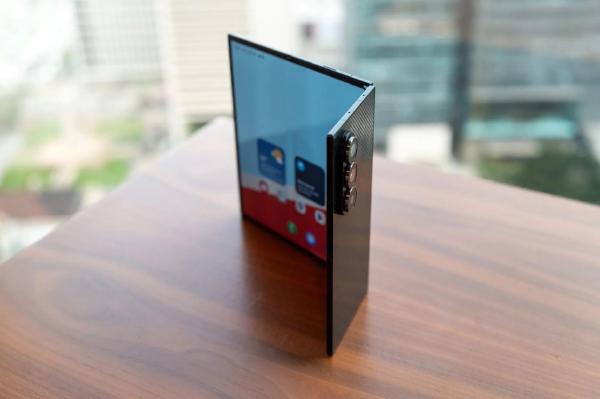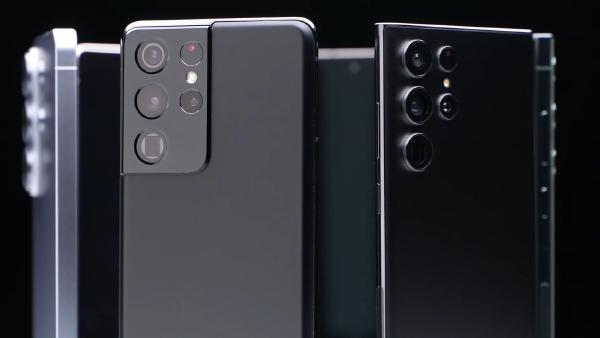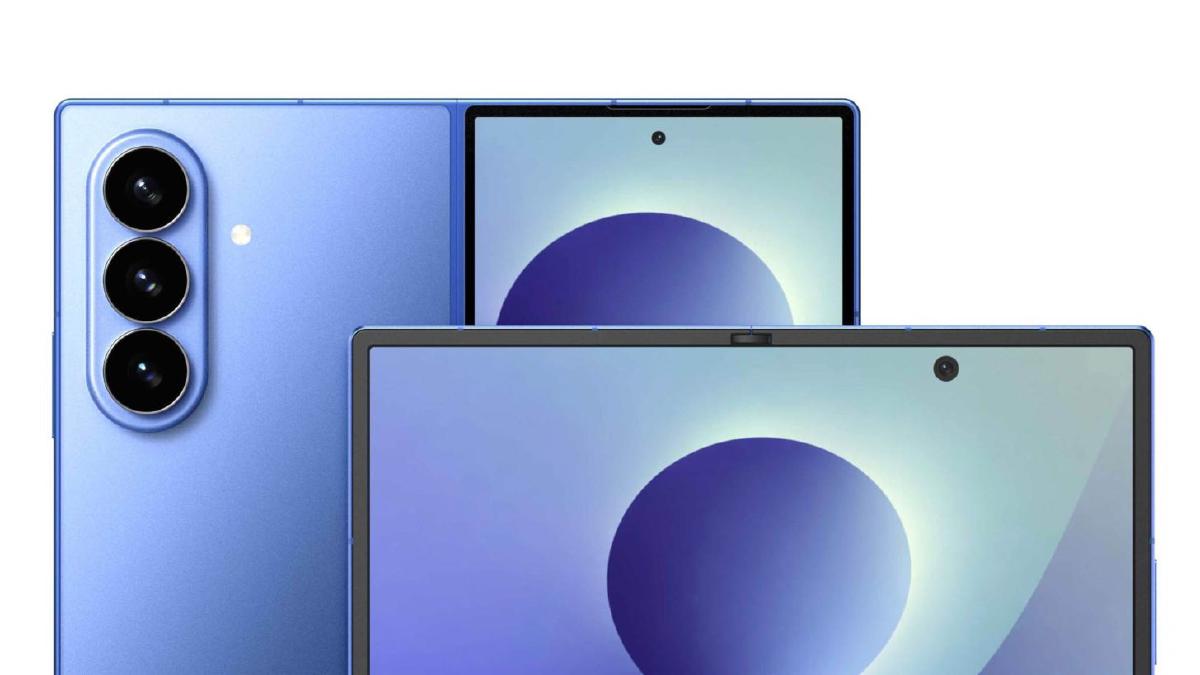
Samsung is making significant strides in foldable smartphone technology, aiming to tackle one of the most persistent issues plaguing these devices: the visible crease. As first reported by Wccftech, the tech giant is developing an innovative approach that promises to not only reduce the creasing effect but also enhance the overall durability of its upcoming foldable phones.
The cornerstone of this new technology is the introduction of an upgraded version of Ultra Thin Glass (UTG). This glass will reportedly be 30 percent thicker than the current variant used in the Galaxy Z Fold 8, providing a range of improvements that could address longstanding concerns among users. The thicker glass is expected to enhance resistance to wear and tear while also lessening the prominence of the crease that typically forms where the device folds.
For consumers, this improvement could mean a more visually appealing and long-lasting device, alleviating some of the anxieties associated with foldable technology. The crease has been a contentious issue for both manufacturers and users, often leading to questions about the reliability and aesthetic appeal of foldable smartphones. By addressing this concern, Samsung could further solidify its position in the competitive foldable market.
While foldable smartphones have gained traction in recent years, many manufacturers, including Samsung, have struggled to strike the right balance between innovation and durability. The integration of thicker UTG could set a new standard in the industry, allowing for a smoother and more engaging user experience. The foldable segment, led by devices like the Galaxy Z Fold series and the anticipated iPhone Fold, is an area ripe for advancements.
It is important to note that the use of UTG in foldable devices is not entirely new. However, the industry has yet to fully leverage its potential. With Samsung’s latest developments, there is a renewed hope that this technology can be optimized to meet consumer expectations more effectively. The evolution of foldables could hinge on how well manufacturers address these key issues going forward.
As the foldable phone market continues to grow, Samsung’s focus on durability and reduced visibility of creases may give them a competitive edge. If successful, this advancement could not only enhance user satisfaction but also encourage more consumers to embrace foldable technology, which has historically been met with skepticism.
In the broader context, foldable smartphones represent a significant shift in how we think about mobile devices. They combine sleek designs with high functionality, appealing to tech enthusiasts and everyday users alike. With Samsung leading the charge on durability improvements, the future of foldable phones looks promising. As manufacturers innovate to meet and exceed user expectations, we can anticipate even more exciting developments in this dynamic segment of the smartphone market.
Samsung, a powerhouse in the tech industry, continues to push boundaries with its Galaxy series, including the Z Fold line, aimed at reimagining our mobile experiences. The company’s commitment to enhancing foldable smartphone technology exemplifies its role as a pioneer in innovation.
Image credit: Wccftech
This article was generated with AI assistance and reviewed for accuracy.