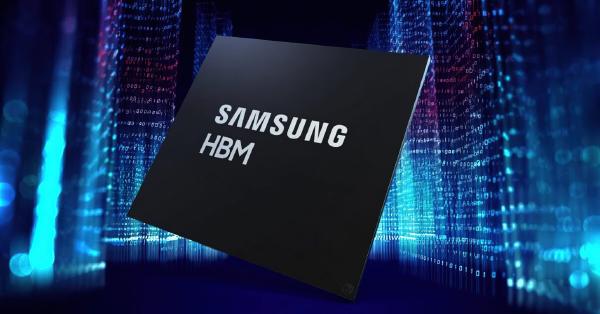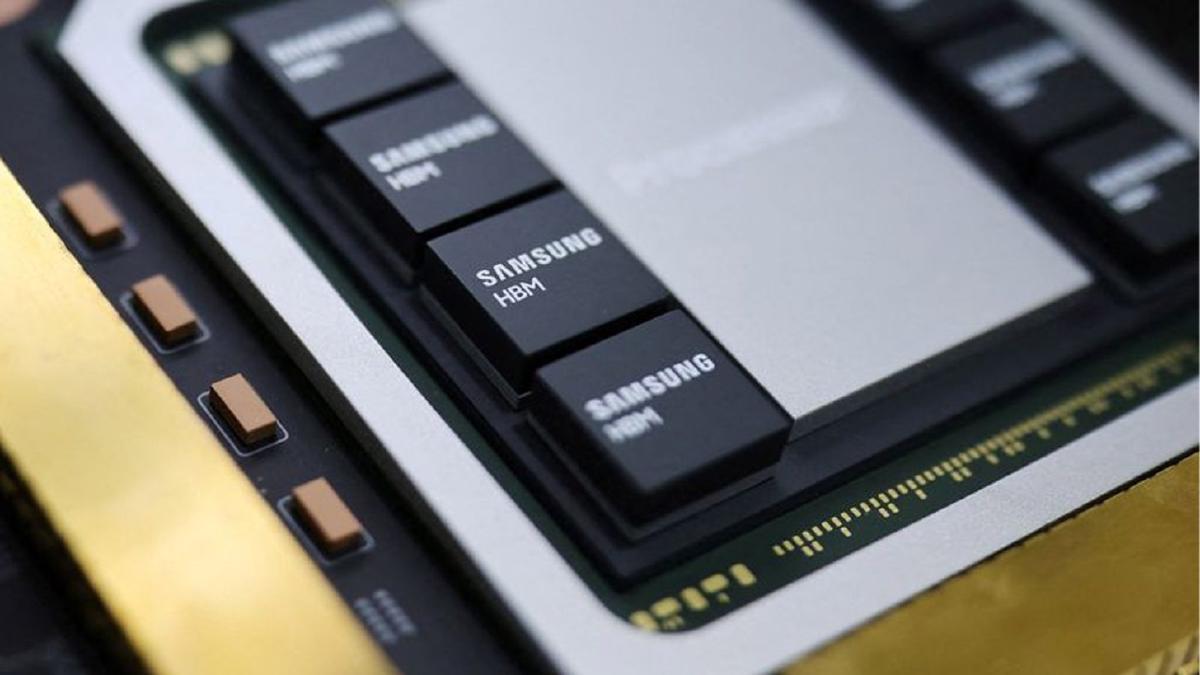
Samsung is making strides to elevate the capabilities of smartphones and tablets with the introduction of High-Bandwidth Memory (HBM) technology. As first reported by Wccftech, the tech giant is developing a unique packaging method to ensure that these ultra-fast memory chips can be integrated into mobile devices, transforming them into powerful on-device AI platforms.
Traditionally, High-Bandwidth Memory has primarily been reserved for servers and high-performance computing. However, Samsung’s latest initiative aims to bring this cutting-edge technology to everyday mobile devices. This shift not only caters to the growing demand for enhanced AI functionalities in smartphones and tablets but also seeks to address the challenges related to space and power consumption that have long hampered mobile DRAM advancements.
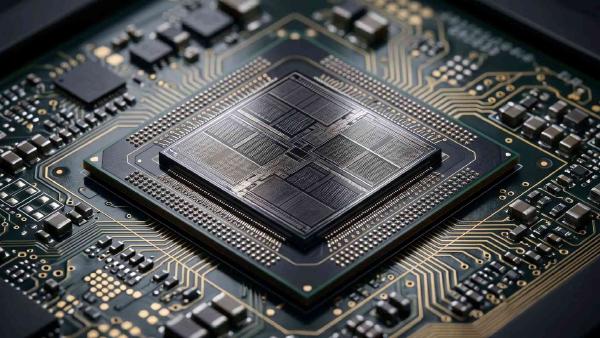
Samsung’s push for HBM integration is a strategic response to the ongoing semiconductor shortage, during which the company has reported significant profits. By venturing into this new market, Samsung is positioning itself to capture a larger share and continue its dominance in the tech space. The company plans to create HBM solutions specifically designed for mobile devices, moving away from conventional copper wire bonding used in traditional mobile DRAM.
The anticipated benefits of this innovative memory technology are extensive. With HBM, mobile devices could experience dramatically improved performance, allowing for faster processing speeds and more efficient handling of complex AI tasks. This leap forward would empower applications that rely heavily on machine learning, paving the way for smarter virtual assistants, enhanced photography features, and more immersive gaming experiences.
This initiative aligns with the industry’s broader trend toward incorporating more AI functionalities into consumer devices. As demand for on-device AI grows, so does the necessity for faster and more efficient memory solutions. Samsung’s foray into HBM for mobile devices could thus play a pivotal role in shaping the future landscape of smartphones and tablets.
In an era where consumers are increasingly seeking devices that can perform sophisticated tasks without relying heavily on cloud computing, Samsung’s advancements in HBM technology could set a new standard. By facilitating more powerful and efficient mobile experiences, Samsung is not just responding to current demands; it is anticipating future needs.
The success of this technology will depend on how effectively Samsung can implement its unique packaging methods and integrate HBM into existing designs without compromising other essential aspects of mobile performance. As the tech landscape continues to evolve, it will be interesting to see how Samsung’s innovations influence the market and consumer expectations.
For those unfamiliar, Samsung is a leading South Korean multinational conglomerate known for its innovation in electronics and technology. The company has been a key player in the smartphone industry, consistently pushing boundaries in mobile technology. With this latest venture into HBM, Samsung is once again poised to reshape the mobile device experience, emphasizing the importance of speed, efficiency, and intelligence in our everyday gadgets.
Image credit: Wccftech
This article was generated with AI assistance and reviewed for accuracy.