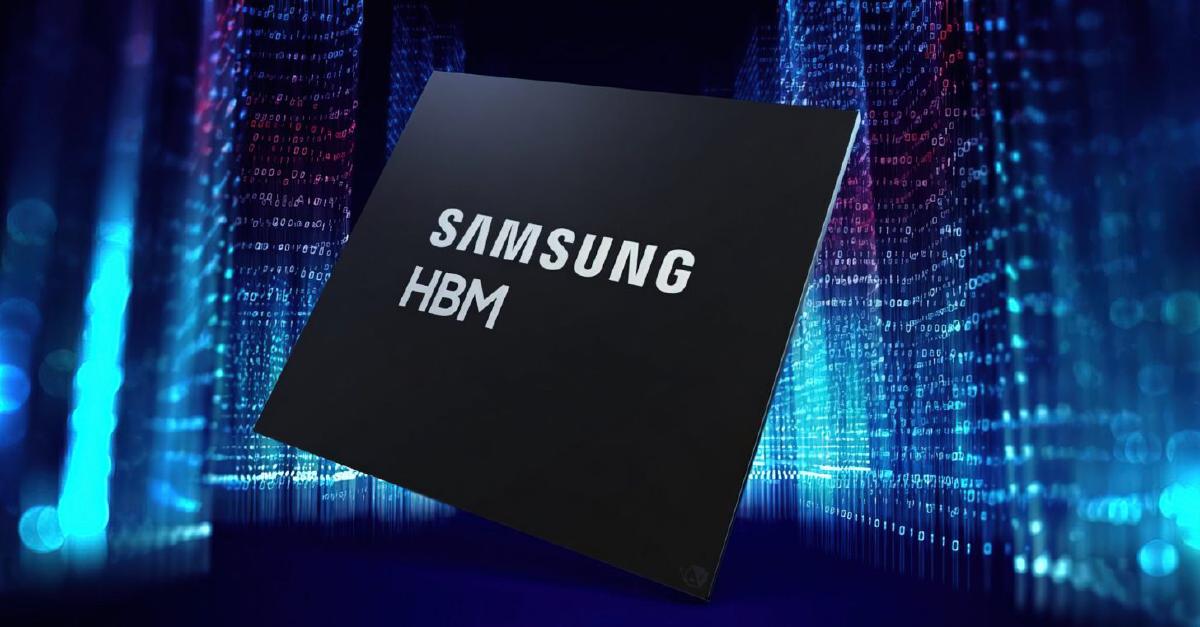
Samsung Electronics is set to significantly revise its approach to high-bandwidth memory (HBM) development, reducing the cycle from two years to just one. This shift is primarily driven by the increasing demand for memory solutions in the artificial intelligence (AI) sector, as first reported by Wccftech. The company aims to align its production capabilities with the rapid advancements in AI technology and the expanding applications that require robust memory solutions.
The decision to accelerate HBM memory design is crucial for Samsung, which is one of the leading manufacturers in the HBM and dynamic random-access memory (DRAM) markets. HBM memory plays a pivotal role in various accelerators that are at the heart of AI computing. These accelerators are essential for tasks ranging from deep learning to machine learning applications, which are becoming increasingly mainstream across different industries.
By shortening the development cycle, Samsung hopes to stay competitive and responsive to the demands of a market that has been rapidly evolving. The AI boom has created a pressing need for more efficient and powerful memory technologies, and companies involved in this sector must innovate swiftly to keep pace with advancements. Samsung’s move is indicative of the broader trend among tech companies to prioritize AI-related solutions as they prepare for future growth.
The new strategy is part of a larger initiative for Samsung to solidify its position within the tech ecosystem, particularly as applications demanding high-performance computing continue to proliferate. The company has a history of developing new HBM standards, and by expediting its release schedule, it aims to meet the expectations of industry partners and customers who rely on cutting-edge technology for their products.
Samsung’s commitment to this accelerated timeline reflects its confidence in the AI market’s potential. As industries increasingly rely on AI for enhanced efficiency and capabilities, the role of memory technology will only continue to expand. Companies that can deliver high-performance memory products at a rapid pace will likely gain a significant advantage in securing contracts and shaping the future of AI technology.
As Samsung gears up to release its first one-year HBM design, it will be crucial to monitor how this impacts its overall market share and technology leadership in the semiconductor industry. The next year will be pivotal, not just for Samsung but for all players in the DRAM and HBM markets as they navigate the complexities of an AI-driven future.
Founded in 1969, Samsung Electronics has grown to become a global leader in consumer electronics, semiconductors, and telecommunications. The company’s advancements in memory technology have positioned it at the forefront of innovations that drive modern computing, making it an influential player in the ongoing AI revolution.
Image credit: Wccftech
This article was generated with AI assistance and reviewed for accuracy.