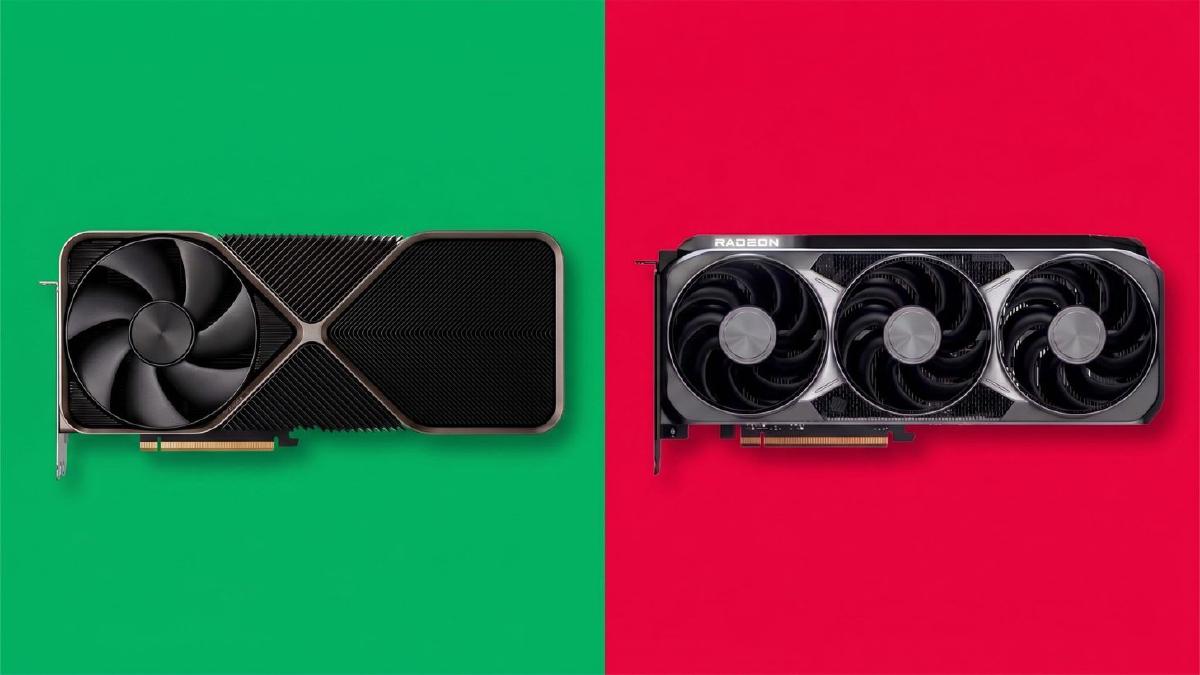
In a recent online exchange that has stirred considerable discussion among PC enthusiasts, a Reddit user known as “Lord_Captain_King” has claimed that the [AMD Radeon RX](/pc/amd-radeon-rx-7600-slashes-forza-horizon-6-load-times-with-new-shader-technology/) 9070 XT outperforms NVIDIA’s RTX 4090 when it comes to path tracing. This claim, which many see as an attempt to provoke rather than a well-supported argument, has sparked a heated debate about the merits of each graphics card, especially concerning their handling of advanced graphical techniques.
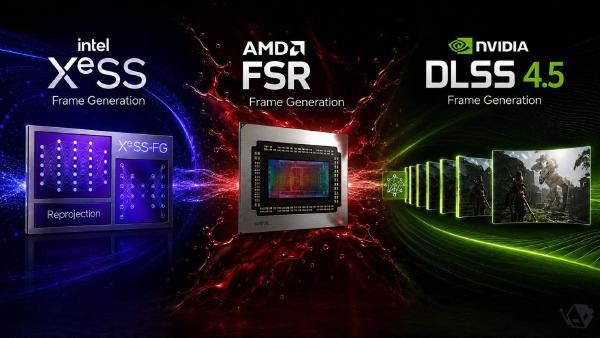
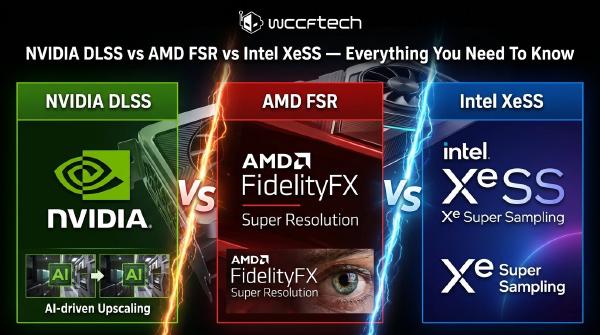
As first reported by Wccftech, the controversy began when Lord_Captain_King stated that NVIDIA’s DLSS technology results in what he described as a “blurry” image quality, suggesting that AMD’s offering is superior in certain gaming scenarios. This assertion is particularly provocative considering that DLSS has consistently been praised for its ability to enhance performance while maintaining image fidelity, especially in demanding titles that utilize ray tracing technology.
The RTX 4090, despite being overshadowed by the newer RTX 5090, remains a powerhouse in the gaming market, boasting impressive specifications and unparalleled AI capabilities. With a wide range of support for cutting-edge technologies such as DLSS, the RTX 4090 has been a preferred choice among gamers who seek high frame rates and stunning visuals. In contrast, AMD’s RX 9070 XT has made significant strides in performance, particularly with its own FidelityFX Super Resolution (FSR) technology. However, many argue that FSR does not quite match the performance and image quality of DLSS.
While some users have backed Lord_Captain_King’s comments, stating that they prefer the RX 9070 XT for its price-to-performance ratio, others have dismissed his claims as an oversimplification of a nuanced comparison. The core of the argument lies not only in frame rates but also in the overall visual experience that each GPU can provide. It is crucial to consider specific titles and settings, as the performance can vary significantly depending on the game’s optimization for either architecture.
The ongoing conversation highlights the competitive nature of the GPU market and the fervor with which enthusiasts defend their platform of choice. NVIDIA has, for a long time, dominated the high-end graphics card segment with its advanced features and software optimizations, while AMD has steadily improved its offerings. Users who own the RTX 4090 can appreciate the significant advantages of DLSS, particularly in games that heavily utilize ray tracing.
As the dialogue continues, it is clear that both NVIDIA and AMD fans are passionate about their choices, and statements like those from Lord_Captain_King only serve to ignite further discussions. Gamers are encouraged to assess their own experiences and benchmarks rather than rely solely on anecdotal evidence.
In summary, the debate over the RTX 4090 and RX 9070 XT reveals much about personal preferences in gaming hardware and the importance of detailed performance analysis. As new titles and updates emerge, these discussions will likely persist, leaving room for future revelations and potential shifts in the competitive landscape.
Contextually, the RTX 4090 is part of NVIDIA’s 40 series, known for its innovative AI capabilities and leading performance in ray tracing. The RX 9070 XT represents AMD’s latest efforts to close the gap in high-performance graphics, aiming to provide gamers with competitive options across various genres and settings.
Image credit: Wccftech
This article was generated with AI assistance and reviewed for accuracy.