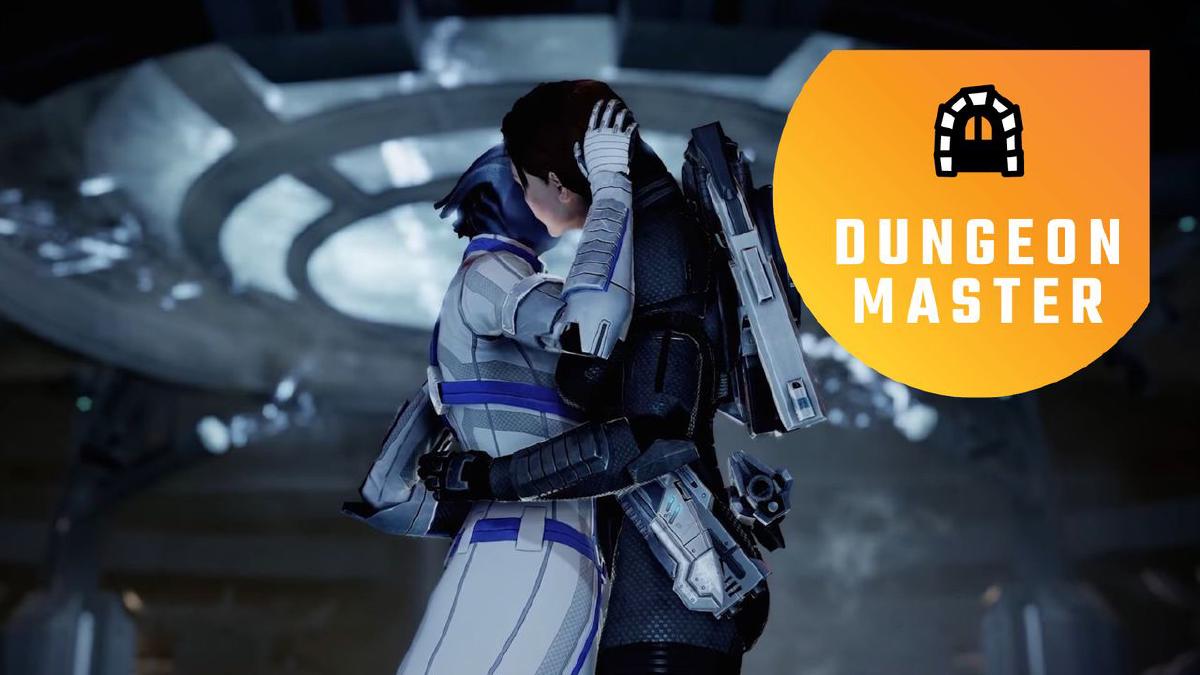
Role-playing games (RPGs) have long been a staple in the gaming landscape, captivating players with their immersive worlds and intricate narratives. Recently, a spirited debate has erupted over the necessity of romanceable companions in these games. As first reported by PC Gamer, opinions vary widely within the community, with some players arguing that these romantic arcs add depth to character interactions while others contend that they distract from the core gameplay experience.
Supporters of romanceable companions often claim that these relationships enhance emotional engagement. By allowing players to forge romantic connections, developers can create rich storylines that resonate on a personal level. For example, in games like “Disco Elysium” and “The Outer Worlds,” character relationships, including romantic ones, serve to deepen the player’s connection to the world and its inhabitants. These bonds can provide significant narrative weight, making choices feel more impactful and the stakes higher.
However, detractors argue that not every RPG needs romance to succeed. Titles such as “Darkest Dungeon” and “Hades” have thrived without traditional romance mechanics, focusing instead on gameplay and atmosphere. Some players believe that introducing romantic interests can dilute the urgency of the main plot or, worse, turn a beautifully crafted world into a dating sim. In their view, the core essence of an RPG should revolve around exploration, strategy, and character development, free from the complications of romantic entanglements.
The debate has been particularly relevant for indie developers who often explore unique storytelling methods without the constraints of mainstream expectations. Many indie RPGs have opted to allow players to experience friendships or rivalries without romance, proving that there are multiple pathways to creating engaging narratives. Games like “Undertale” and “Stardew Valley” successfully foster deep emotional connections through friendship and community-building rather than romance, inviting players to engage with their characters in different, often more wholesome ways.
The conversation around romance in RPGs also raises questions about representation. Some players advocate for including diverse romantic options that reflect the real world, allowing all players to see themselves within these narratives. This not only enriches the experience but also promotes inclusivity in a genre that has historically lagged in this regard. As developers seek to create more representative worlds, the inclusion of romanceable characters could be an essential aspect of that progress.
As the gaming industry evolves, so do player expectations. The rise of community-driven games and indie titles has led to a greater demand for personalized experiences. Whether or not RPGs should incorporate romanceable companions may ultimately depend on the story being told and the audience the developers wish to reach.
In the end, the discourse surrounding romance in RPGs reflects broader themes of choice and agency in gaming. The best RPGs allow players to tailor their experiences to their preferences, so whether a player yearns for love or chooses to fend off romantic advances should be up to them.
As indie studios continue to innovate within the RPG genre, it will be interesting to see how they approach this contentious topic. Titles like “Disco Elysium,” developed by ZA/UM, and “Hades,” from Supergiant Games, have shown that meaningful connections can be built in various ways, proving that there is no one-size-fits-all answer. In a landscape filled with creativity, the future of RPGs remains a fascinating realm of possibilities.
Image credit: PC Gamer
This article was generated with AI assistance and reviewed for accuracy.