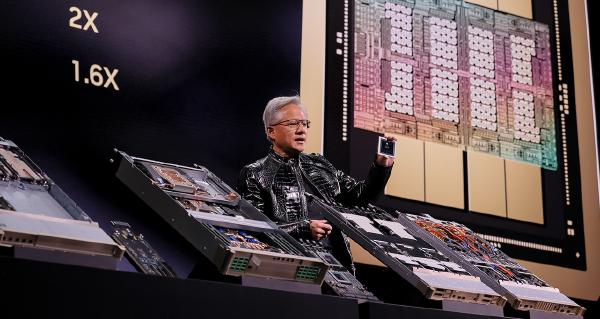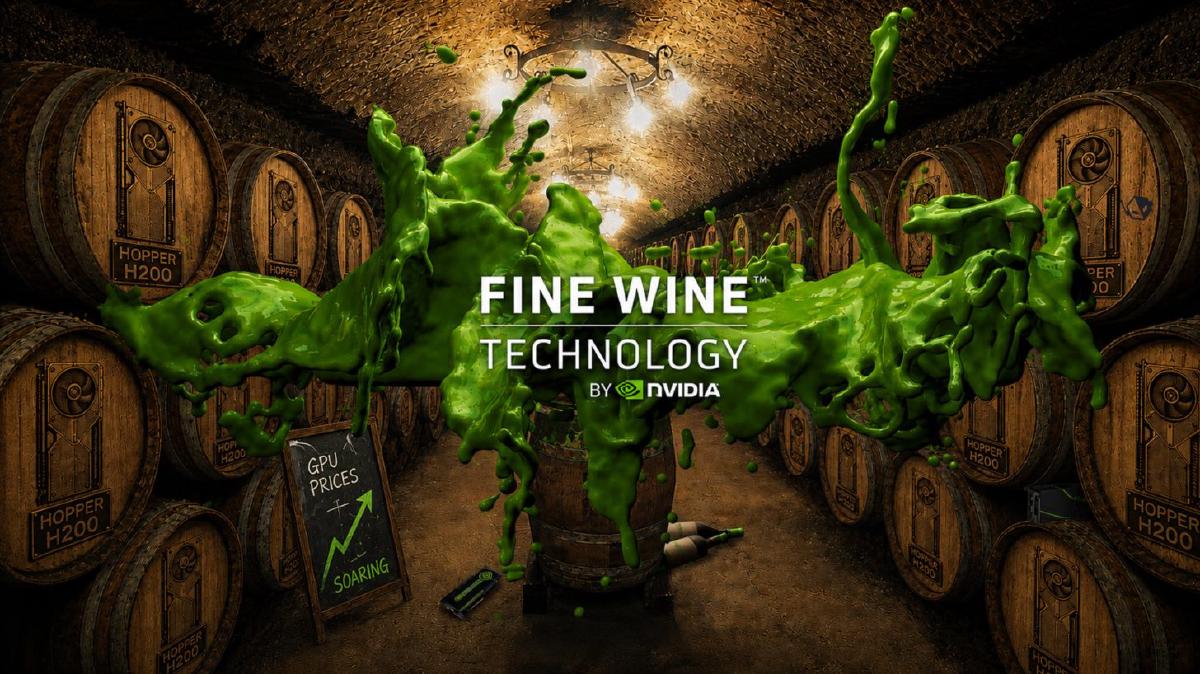
NVIDIA’s CEO recently highlighted a surprising trend in the GPU market: five-year-old graphics cards are experiencing a price surge, driven largely by the escalating demand for artificial intelligence technologies. As first reported by Wccftech, this phenomenon is being referred to as a “Fine Wine” moment, though the implications extend far beyond the typical connotation of improved performance with age.
Historically, the term “Fine Wine” has been associated with graphics processing units (GPUs) that enjoy performance gains through driver updates and optimizations. However, in this case, it refers more to the increasing scarcity and desirability of older GPUs as their prices climb in response to the burgeoning AI sector. The impact of this demand is notable, with several prominent models from NVIDIA’s lineup gaining value despite their age.
The current landscape illustrates a stark contrast to the previous years when consumers were eager to upgrade to the latest and greatest hardware. Amid the global push for AI advancements, older GPUs are finding new life. The rising costs reflect not merely a temporary trend, but rather a shift in how both consumers and businesses are valuing these components. For instance, cards like the GeForce GTX 10 series and RTX 20 series, which were once considered outdated, are now sought after for their capabilities in performing machine learning tasks and handling AI-related workloads.
NVIDIA’s CEO emphasized that this trend is not just about increasing prices but also indicative of a broader market transformation. With AI applications increasingly becoming prevalent in various industries, the need for robust computational power has surged. As a result, businesses are looking to bolster their capabilities, and this has created a secondary market for older GPUs.
This rise in GPU prices is also compounded by ongoing supply chain challenges and manufacturing limitations that have persisted since the pandemic. High demand for newer models coupled with production constraints means that even older hardware is being reevaluated in terms of value. Consumers who may have previously dismissed older GPUs are now reconsidering their options as they seek cost-effective solutions to meet their computational needs.
The implications of this trend extend beyond individual consumers; they affect the entire gaming and tech industry. Rising prices for older models might push gamers and developers toward alternative solutions, such as cloud gaming services or lower-spec hardware, which could eventually influence the market landscape.
As players look to upgrade their systems or invest in new hardware, the focus will likely shift to understanding which components offer the best value for both performance and price. While newer GPUs will always be at the forefront of consumer interest, the appreciation for older models underscores a unique market dynamic generated by the surge in AI-related tasks.
As NVIDIA and other manufacturers adapt to these shifts in consumer behavior, it will be interesting to see how they respond. Will there be a renewed focus on optimizing older architectures, or will production efforts continue to prioritize cutting-edge technology? how this trend will evolve and impact the gaming and tech industries at large.
NVIDIA, renowned for its innovation in graphics technology, has been a key player in the gaming and AI sectors. Founded in 1993, the company has continually pushed the boundaries of what is possible in GPU performance, setting the stage for both hardcore gamers and advanced computational users alike.
Image credit: Wccftech
This article was generated with AI assistance and reviewed for accuracy.